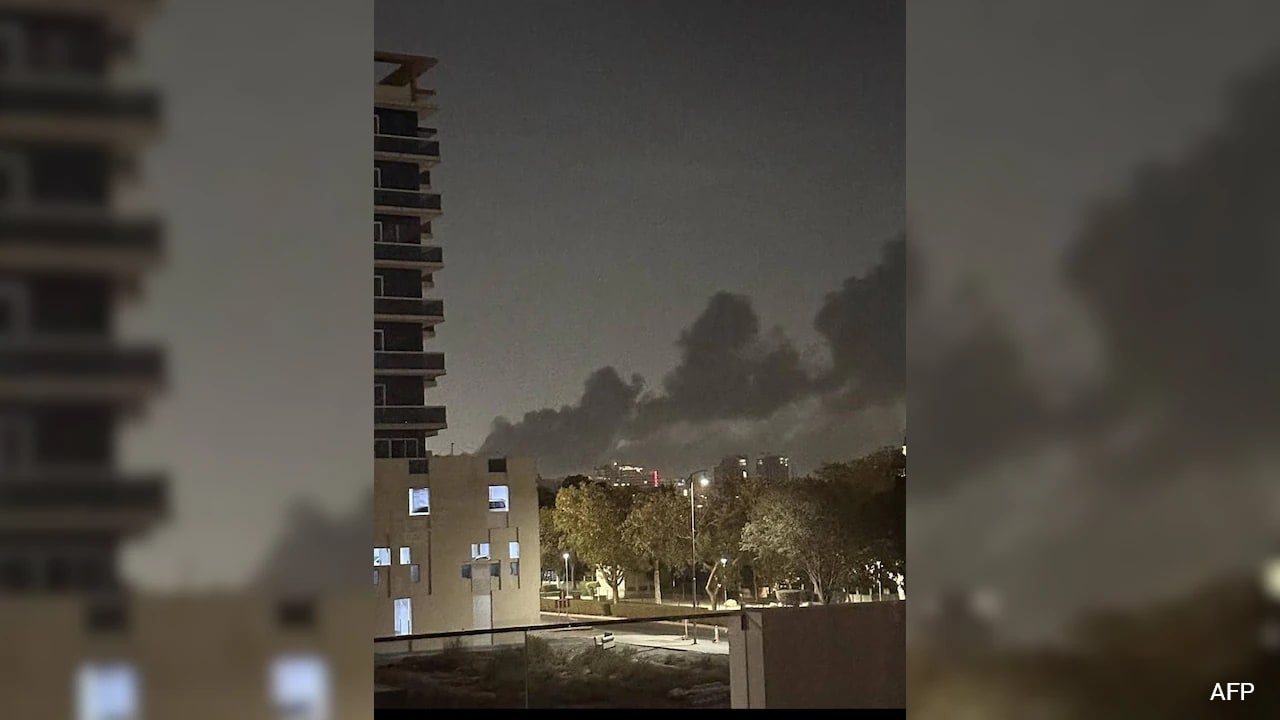
When multiple blasts echo across a densely populated metropolitan skyline in a matter of minutes, the primary casualty is rarely just physical infrastructure. It is truth. Within twenty minutes of the initial reports regarding explosions in Dubai, digital platforms flooded with fragmented mobile phone video clips, unverified claims, and sensationalist panic. Observers across the globe stared at blurry footage of smoke plumes, trying to piece together a coherent narrative from social media algorithms designed for engagement rather than accuracy.
True investigative reporting demands that we step back from the frantic rush of breaking news alerts to examine what actually happens when a major global hub faces a high-intensity incident. We must look past the initial shock value of viral clips and dissect the underlying mechanics of how information travels, how civil defense systems respond, and why the modern information ecosystem amplifies anxiety faster than emergency services can establish facts.
The Velocity Of Panic Versus The Speed Of Verification
Modern media consumers experience events through a lens of extreme compression. A single video clip capturing a loud detonation can circulate globally before local authorities have even dispatched an initial assessment team to the scene. This creates an information vacuum. In that vacuum, speculation fills the void.
Consider the sequence of events during a rapid-fire urban incident.
- Minute zero to five: An acoustic anomaly or structural failure occurs. Witnesses record short video segments.
- Minute five to fifteen: The raw footage uploads to decentralized networks. Algorithmic sorting prioritizes high-arousal content, pushing dramatic visuals to millions of feeds.
- Minute fifteen to thirty: Official statements begin drafting, but they lag drastically behind the organic spread of unvetted rumors.
This temporal mismatch fuels public distress. When individuals see contradictory reports regarding the source of a blast—ranging from industrial accidents to security breaches—their trust in official channels frays. Seasoned analysts recognize that managing public perception during a crisis is just as complex as managing the physical emergency itself.
Infrastructure Resilience And Urban Density
Dubai represents a unique case study in rapid architectural scaling and high-density urban planning. When a metropolis grows outward and upward at a historic pace, the complexity of its underlying utilities, logistics networks, and safety protocols multiplies exponentially.
High-rise construction relies on strict material science standards, sophisticated fire suppression systems, and centralized monitoring grids. When an anomaly occurs, these systems are put to the ultimate test. Critics often focus solely on the visual spectacle of smoke or flame, ignoring the invisible web of redundant safety features engineered into modern skyscrapers.
- Compartmentalization prevents lateral fire spread.
- Automated pressure-release zones manage internal blast dynamics.
- Emergency evacuation channels operate independently of standard grid power.
Yet, no system is entirely foolproof. Human error, maintenance lapses, or unprecedented external variables can challenge even the most advanced engineering frameworks. Investigating these occurrences requires separating routine industrial mishaps from systemic vulnerabilities. When a sequence of loud reports shakes a district, the initial public assumption is often the worst-case scenario. Reality, more often than not, involves prosaic causes like transformer failures, gas line pressures, or controlled industrial procedures that lacked adequate public notification.
The Psychology Of The Digital Witness
Every smartphone owner with an internet connection now functions as an impromptu war correspondent or disaster journalist. This democratization of recording equipment has immense value, yet it introduces severe distortions.
A camera frame is inherently limited. It captures a narrow angle of reality while omitting context, spatial relationships, and temporal sequence. A video showing an intense flash and a plume of smoke does not reveal whether the footage originates from a secure industrial zone, a construction site, or a residential sector. It does not indicate whether safety protocols successfully contained the incident or if emergency responders are already in full control.
Viewers must develop a higher degree of visual literacy. Accepting every piece of circulating media at face value surrenders critical thinking to algorithmic curation. Analysts who track these phenomena note that bad actors often repurpose historical footage from entirely different cities or decades to manufacture panic during contemporary events.
Accountability And Information Integrity
The aftermath of any major urban disturbance brings immediate pressure on municipal authorities, corporate entities, and media outlets to provide absolute clarity. However, rushing to publish unverified details often leads to compounding errors.
Journalistic integrity requires holding two competing truths simultaneously. The public deserves rapid, transparent updates, but those updates must be grounded in verified intelligence rather than speculation. When news agencies chase clicks by amplifying unconfirmed explosions based solely on anonymous social media posts, they fail their primary mandate.
We must scrutinize the platforms that profit from sensationalism just as closely as we scrutinize the events themselves. As urban centers continue to expand and digital networks grow more instantaneous, the gap between what we see on a screen and what is actually happening on the ground will remain the ultimate frontier of modern crisis management. The next time a flurry of dramatic videos floods your feed, the most radical act is not sharing them, but pausing to demand verifiable proof before jumping to conclusions.