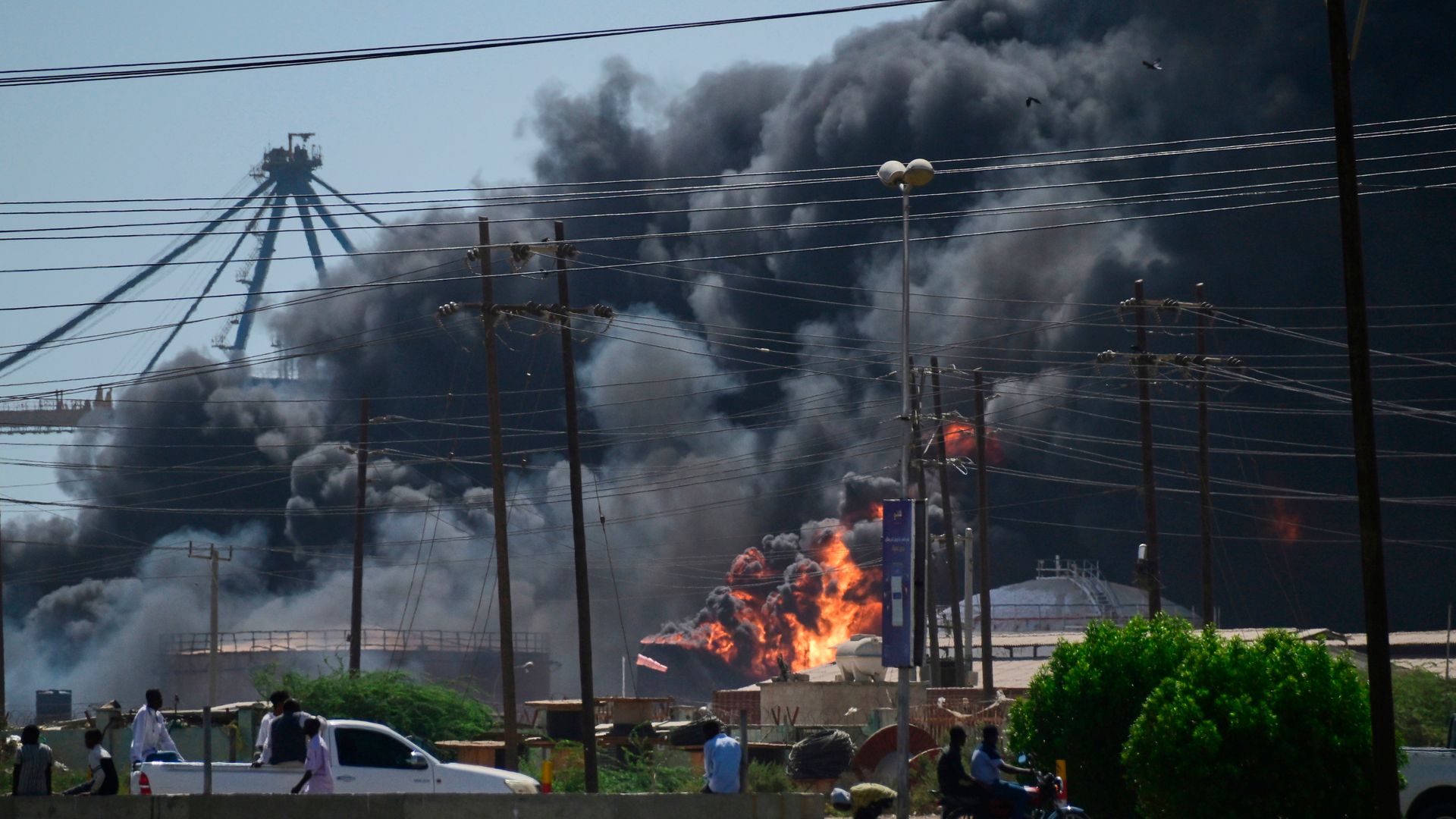
Unmanned aerial vehicles are changing how wars are fought, but in northeast Africa, they are making conflicts incredibly bloody for regular people. Drone strikes in Sudan killed over 1,000 people in five months alone, according to a recent United Nations report. That figure only counts civilians between January and May of 2026.
The numbers are terrifying, but the reality on the ground is even worse. This is not precision warfare meant to minimize collateral damage. It is a systematic aerial campaign hitting places where ordinary families try to survive. The UN High Commissioner for Human Rights, Volker Türk, laid out these grim statistics before the Human Rights Council in Geneva, pointing to a massive escalation in remote warfare.
If you are trying to understand why this conflict suddenly got so much deadlier, you have to look at the sky. Cheap, easily imported technology has given both sides the power to rain down explosives without risking their own men. The results are devastating.
The Brutal Math Behind Drone Strikes in Sudan
The current civil war broke out on April 15, 2023. What started as a direct power struggle between the official Sudanese military and a powerful paramilitary group called the Rapid Support Forces (RSF) has turned into a bloody war of attrition. Over 59,000 people have died in three years, and that is a conservative estimate from groups like the Armed Conflict Location and Event Data Project (ACLED).
The real shift happened over the last year. Look at the numbers from 2025 to understand how fast this trend is moving. Data shows a massive 600% explosion in drone-related deaths and an 81% jump in total drone attacks compared to the previous year.
The first five months of 2026 took things to an entirely different level. Reaching over 1,000 civilian deaths in just 150 days means drones are now the primary threat to regular Sudanese citizens. Just last week, a paramilitary drone strike tore through the central city of el-Obeid. It hit a gas station and a cemetery, killing 15 people who were just trying to go about their day or bury their dead.
Where the Drones Are Coming From and What They Hit
These machines do not build themselves. Foreign backers are pumping remote-controlled weapons into the country, allowing both the military and the RSF to increase their cruelty from above. While international eyes remain fixed on massive conflicts in Gaza or geopolitical tension involving Iran, Sudan has quietly become the world's most active testing ground for cheap, explosive-laden commercial and military drones.
Instead of targeting strictly military outposts, these weapons are repeatedly sent into dense civilian hubs. The UN has documented consistent strikes on:
- Busy open-air markets where families buy food
- Neighborhood schools and crowded displacement camps
- Local hospitals and vital water dams
Basically, if it keeps a community alive, it has become a target. This strategy is causing a massive humanitarian emergency. Right now, roughly 34 million people—almost two-thirds of the entire country—need urgent assistance to survive. The violence in the air is matched by horrific abuse on the ground, including widespread sexual violence and ethnically targeted killings that international groups classify as outright war crimes.
Why Remote Warfare Evades Accountability
Fighting with drones lets commanders distance themselves from the atrocities they commit. When a pilot pulls a trigger from a bunker miles away, it detaches the human cost from the military decision. It also makes tracking accountability incredibly difficult for global watchdog groups.
The UK Minister for Africa and International Development, Jenny Chapman, recently stressed that capturing data and preserving evidence is the only way to eventually break this cycle. But right now, international condemnation is not stopping the supply chains. The weapons keep flowing across Sudan's borders, and the skies remain incredibly dangerous.
If you want to support those affected, look toward supporting groups like Doctors Without Borders (MSF) or the International Committee of the Red Cross (ICRC), which operate on the ground in Sudan despite the aerial threat. Demanding tighter international enforcement of arms embargoes in East Africa is the only realistic way to ground these weapons. Until foreign supply chains are choked off, the civilian death toll will continue to climb.