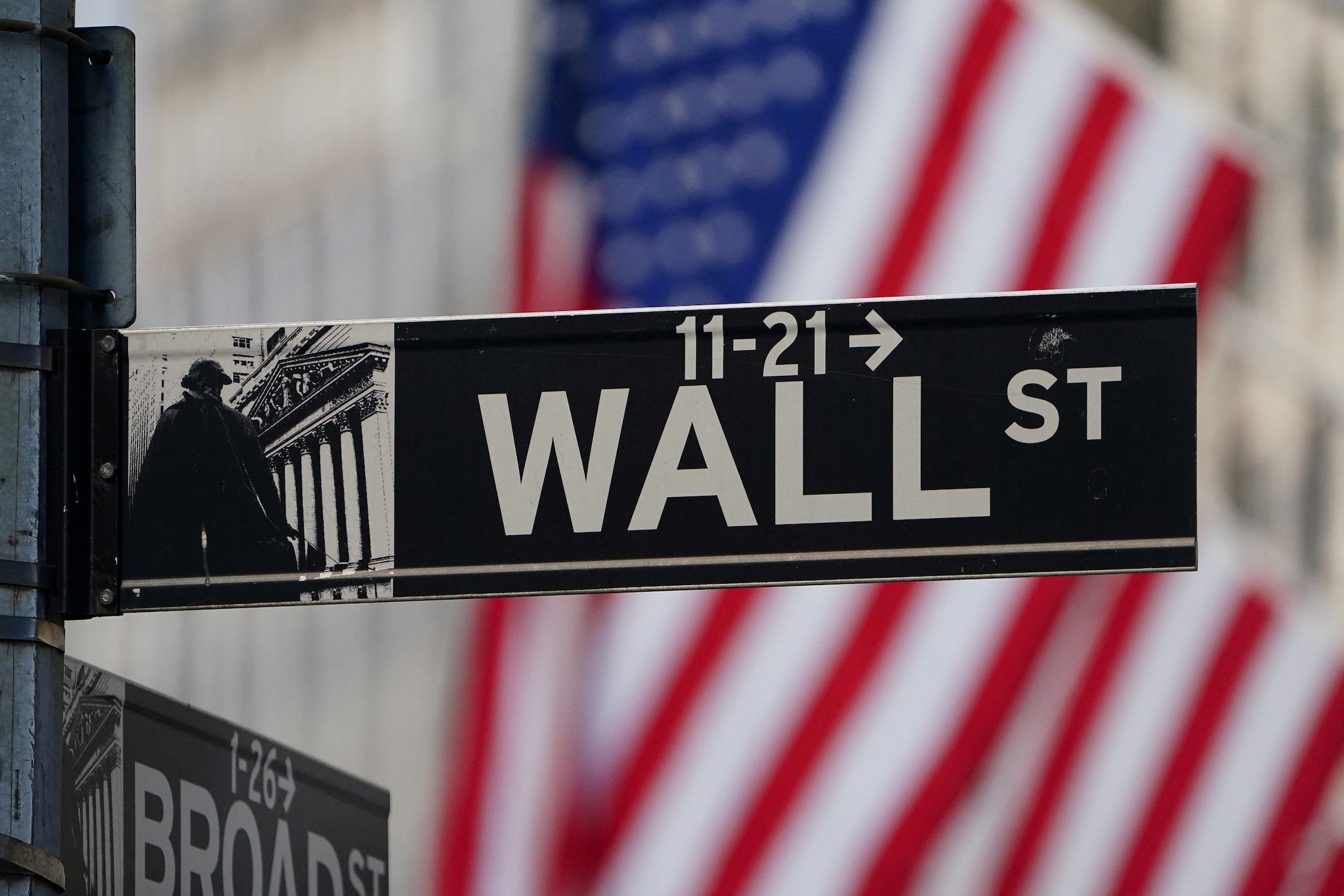
Wall Street isn't acting the way the textbooks say it should. Usually, when crude oil punches through the $100-a-barrel ceiling, investors start looking for the nearest exit. It’s simple math: higher energy costs act like a massive tax on every person and business in the country. Yet, as the Federal Reserve kicks off its latest policy meeting today, the Dow Jones Industrial Average is actually moving higher.
It’s a bizarre tug-of-war. On one side, you’ve got a geopolitical powder keg in the Middle East that’s sent Brent crude to $103 and West Texas Intermediate (WTI) to $96. On the other, you have a market that's surprisingly desperate for any signal of stability from Jerome Powell.
If you're wondering why stocks aren't cratering right now, it’s because the "fear of the unknown" is slowly being replaced by "certainty about the bad news." We know oil is expensive. We know the Fed is probably going to stay hawkish. For a trader, knowing the worst-case scenario is often better than guessing.
The Oil Ceiling and the Inflation Trap
We haven't seen $100 oil consistently since the 2022 shock. Back then, it was Ukraine; today, it’s the escalating conflict involving the U.S., Israel, and Iran. The closure of the Strait of Hormuz—the world’s most important energy artery—isn't just a headline. It’s a physical reality that has removed millions of barrels from the daily supply.
When oil stays above $100, the "transitory" inflation debate officially dies. The Fed’s preferred inflation gauge, the Core Personal Consumption Expenditures (PCE), is already sitting at 3.1%. That’s a full point above their 2% target. With energy prices surging 40% since the bombing campaigns began in late February, that 2% target looks like a pipe dream.
Here’s the problem for your wallet:
- Gasoline is up 77 cents a gallon in just a month.
- Transportation costs for every Amazon package and grocery delivery are about to spike.
- Manufacturing margins are getting squeezed, which usually leads to layoffs.
The market is currently betting that the International Energy Agency (IEA) releasing strategic reserves will act as a temporary floor. But reserves are a Band-Aid, not a cure.
What the Fed Meeting Means for Your Portfolio
The Federal Open Market Committee (FOMC) meeting starting today is the most high-stakes huddle in years. For months, the consensus was that we’d see three or maybe even four interest rate cuts in 2026.
That dream is dead.
Currently, the CME FedWatch tool shows a 94% probability that the Fed holds rates exactly where they are—between 3.50% and 3.75%. The real story isn't the "hold," though. It’s the "dot plot." This is the chart where Fed officials map out where they think rates are going.
If those dots move higher, or if the "one cut in December" forecast disappears, expect the Dow's current rally to evaporate. Powell is in a corner. If he cuts rates to help a cooling job market, he risks letting oil-driven inflation spiral. If he keeps rates high to fight oil prices, he might accidentally trigger a recession.
Why the Dow is Still Climbing
It feels counterintuitive, but the Dow's 0.3% to 0.8% gains this week are driven by a "relief rally."
- The AI Shield: Tech giants like Nvidia and Meta are carrying the broader indices. Nvidia’s GTC conference has investors so focused on the future of chips that they’re ignoring the price of gas.
- Oversold Territory: The market just came off a brutal three-week losing streak. Technically speaking, many stocks were "due" for a bounce regardless of the news.
- The Dollar as a Safe Haven: As global uncertainty rises, money flows into U.S. assets. Even with our own inflation problems, the U.S. is a net energy exporter now, which makes us look a lot safer than Europe or Asia right now.
How to Handle the Volatility
Don't mistake this mid-week rally for a "green light" to go all-in on equities. We're in a high-volatility environment where one headline about a tanker in the Persian Gulf can swing the Dow 500 points in either direction.
If you're managing your own 401(k) or brokerage account, watch the 10-year Treasury yield. It’s hovering around 4.22%. If that number starts climbing toward 4.5% because of inflation fears, stocks will face massive downward pressure.
Stay defensive. The "easy money" era of 2024 and 2025 is over. This is a macro-driven market where energy and central bank policy are the only two pilots in the cockpit.
Check your exposure to energy stocks. While the broader market struggles with $100 oil, companies like ExxonMobil and Chevron often act as a natural hedge. Also, keep an eye on the Fed's Wednesday afternoon statement. That’s when the real volatility begins. If Powell sounds even slightly more worried about "sticky" inflation than he did last month, the "relief" you're seeing today will be very short-lived.
Get your cash levels ready. The next 48 hours will decide if this is a genuine recovery or just a "dead cat bounce" before a deeper correction. Clear out your speculative positions and stick to quality names with strong cash flow. You'll need that stability if oil decides to test the $120 mark.