_Steam_Key-GLOBAL_1.webp)
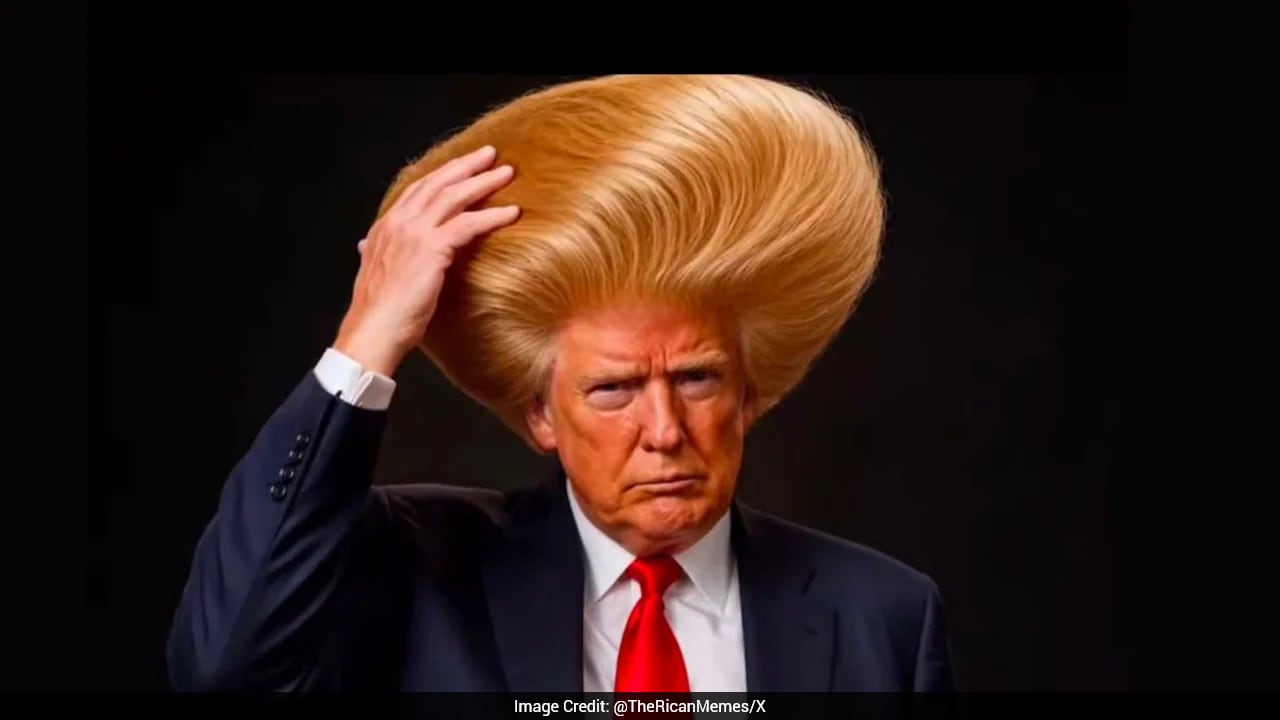
Internet observers love a good mystery, but few subjects command as much fixation as Donald Trump's signature blond coif. When the U.S. President stepped up to the microphone at the Red Rock Casino in Las Vegas, policy achievements like tax breaks on tipped income quickly took a backseat to an unexpected visual shift. His hair looked fuller, shinier, and significantly more voluminous than it had just days prior.
Social media platforms erupted instantly. Observers juxtaposed footage from the Las Vegas event with clips from windy outdoor appearances earlier in the week, where his scalp was much more visible. That stark contrast kicked off a fresh wave of digital commentary, memes, and wild speculation about whether a new wig or toupee had entered the picture. Don't miss our earlier article on this related article.
The Anatomy of a Viral Hair Debate
Let's be honest. Public fascination with Donald Trump's hair isn't a recent phenomenon. It's spanned decades of real estate tycoons, reality television, and turbulent political campaigns. Yet, the Las Vegas appearance supercharged the conversation because the change felt abrupt.
Journalists and online commentators pointed out the heavy styling. Video clips circulated widely on X, featuring side-by-side comparisons that gave internet comedians plenty of material. Some users joked about a "big blonde rug," while others produced AI-generated videos and absurdist animal comparisons, likening the silhouette to fuzzy caterpillars or stray pets. If you want more about the history here, The New York Times provides an excellent summary.
Trump has historically pushed back against these exact narratives. During his 2015 campaign rally in South Carolina, he famously invited a supporter up on stage to pull his hair and prove it was real. He even addressed the crowd directly, stating he tries hard to hide his bald spot. Even so, the physical reality of aging and hair maintenance keeps public curiosity alive.
Family History and Deeper Comparisons
The internet loves connecting dots, and this latest styling choice brought out some unexpected family comparisons. Mary Trump, the president's estranged niece, weighed in during an appearance on a SiriusXM YouTube show hosted by Dean Obeidallah. She compared the voluminous look to Hermey the Elf from the classic holiday special Rudolph the Red-Nosed Reindeer.
More notably, Mary drew a parallel to her late grandfather, Fred Trump. She recounted how her grandfather became heavily preoccupied with hair loss and dyeing as he aged, sometimes leaving color treatments on too long and resulting in unexpected tints. Bringing up these familial patterns added a psychological layer to what otherwise started as a simple internet joke session.
Author Michael Wolff has also touched on how central this hairstyle is to the broader Trump brand, noting that the architecture of the comb-over functions as a core component of his public identity. When you build a multi-decade persona around a specific look, any deviation becomes headline news.
The Politics Behind the Styling Choices
While critics leaned heavily into the humor and skepticism, supporters defended the president's appearance. Loyalists pushed back against the mockery, with some claiming he looked younger and praising the fresh style.
Appearances matter immensely in high-stakes politics. Every public outing involves careful image management by handlers, stylists, and media teams. Whether the Las Vegas look came down to a different styling product, a fresh cut, or a clever blowout, it successfully shifted public attention away from routine political discourse and straight into the realm of viral internet culture.
At eighty years old, Donald Trump continues to command media oxygen simply by changing how he combs his hair. The cycle proves that physical branding remains one of the most durable forces in modern media, capable of eclipsing economic policy and legislative updates in a matter of hours.