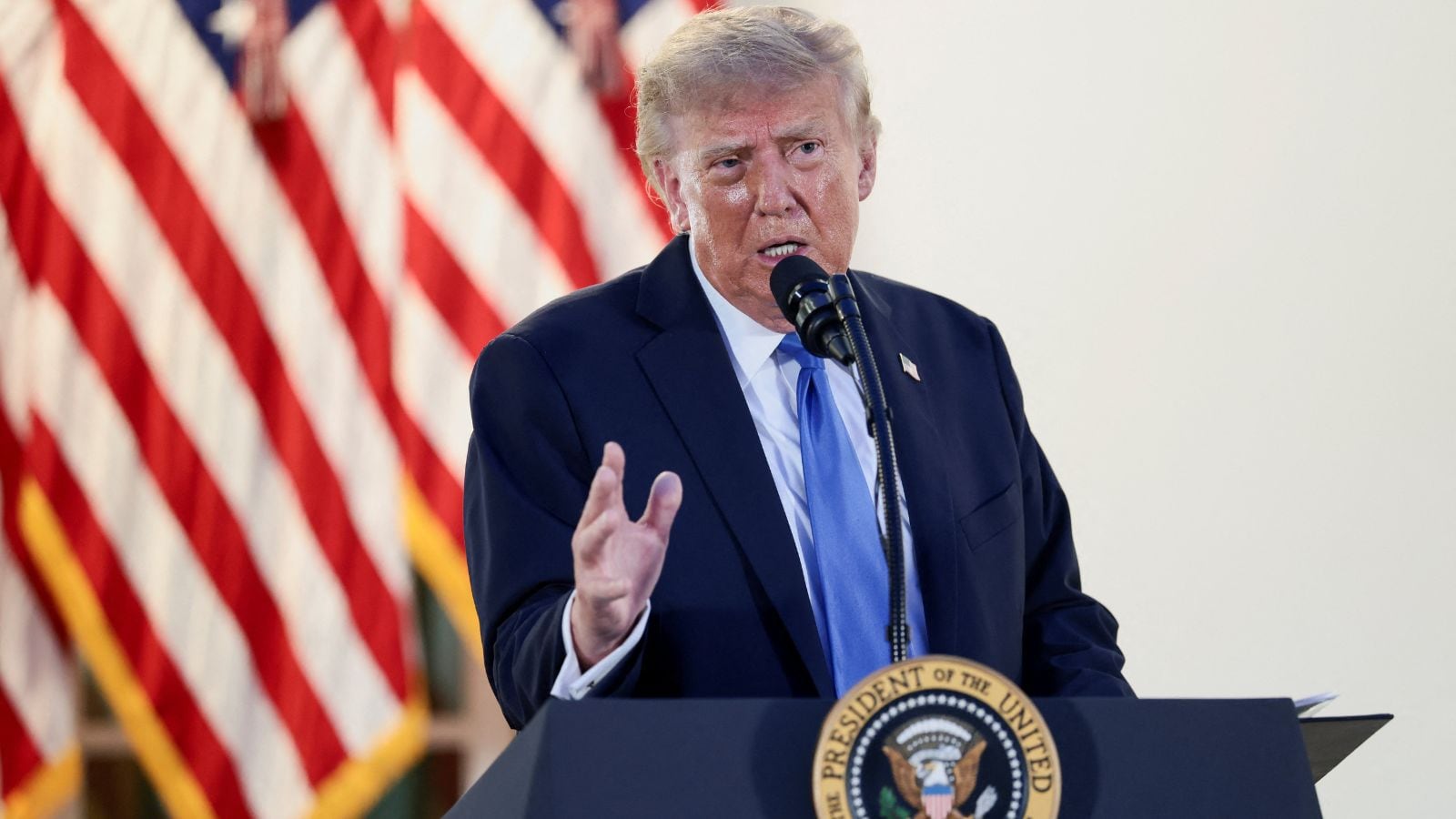
You don't need a map to see that the special relationship between Washington and London has hit some heavy turbulence. Donald Trump just put it bluntly in a recent interview with GB News, telling anyone who will listen that Britain is sitting right on the edge of disaster.
When a former and current US heavyweight points the finger at your domestic policy, people tend to panic or shrug. But Trump didn't target petty political gossip. He homed in on two massive structural fractures: skyrocketing energy bills and an unmanaged border. Prime Minister Andy Burnham's administration is currently steering the ship, and they have a mountain of problems to climb over. For a closer look into similar topics, we recommend: this related article.
The Energy Price Squeeze
Let's talk about power bills first, because money talks louder than political rhetoric. Trump didn't mince words about the cost of keeping the lights on across the UK, claiming that British energy rates are sitting at three or four times higher than what they realistically should be.
Why are bills so painful for everyday households and factories? Britain has sprinted headfirst into strict net-zero targets, moving away from fossil fuels faster than its infrastructure can comfortably handle. Trump, long known for his skepticism toward climate policies, has repeatedly hammered successive British leaders to stop ignoring the massive oil and gas reserves sitting right out in the North Sea. For broader details on this issue, detailed coverage can be read on USA Today.
Right now, Prime Minister Burnham faces a brutal balancing act. He has to weigh whether to greenlight two major new North Sea developments. On one hand, you have the urgent need to lower industrial and household energy costs. On the other hand, the government has promised a steady transition toward clean, renewable electricity sources. If Burnham gives the thumbs down to fossil fuel expansion to appease green activists, voters facing impossible heating bills are going to make their anger known at the ballot box.
The Border Crisis And Political Realities
Energy is only half the headache. The second major pressure point Trump flagged is immigration, specifically the relentless flow of unauthorized small boat crossings arriving across the English Channel from continental Europe.
Trump didn't hold back, warning that if the country fails to stop people pouring in from all corners of the globe, the foundational identity of the nation changes forever. Whether you agree with his delivery or not, you can't ignore the political tremors this issue is causing across the UK.
Voters are deeply anxious about border control. This exact anxiety has fueled a massive surge in popularity for Nigel Farage and the right-wing Reform party, sending real shockwaves through traditional British party politics. Burnham's government is scrambling to contain the damage, insisting that recent crackdowns on criminal smuggling gangs and launch sites are starting to bear fruit, with officials reporting a sharp drop in crossings. Still, public trust on the immigration file remains razor-thin.
Where Diplomacy Meets Reality
外交 relations between allies are rarely smooth sailing forever. We have moved far past the pomp and heavy pageantry of the 2025 state visits to London, sliding into an era of raw, unfiltered critique. Trump still makes it clear that he holds a deep personal affection for King Charles and a genuine fondness for the British people, but his assessment of the country's management is scathing.
If Westminster wants to prove critics wrong, glossy PR campaigns won't cut it. The government has to deliver tangible relief on utility bills while showing ironclad control over its borders. Until those two pieces are fixed, the warnings from across the Atlantic will keep stinging.
Check out this GB News interview overview on YouTube to hear more context on the discussion surrounding European energy and immigration policies.