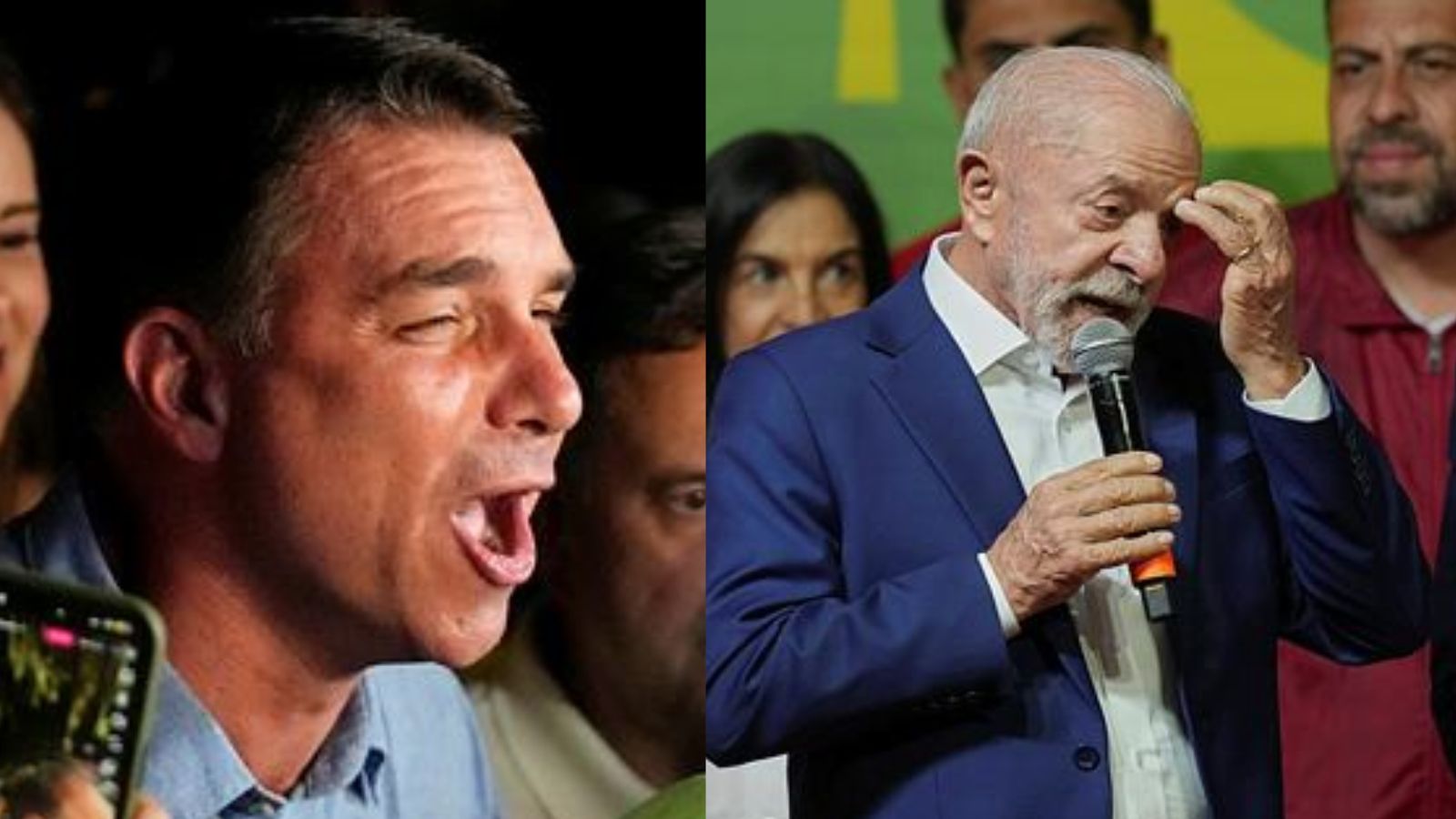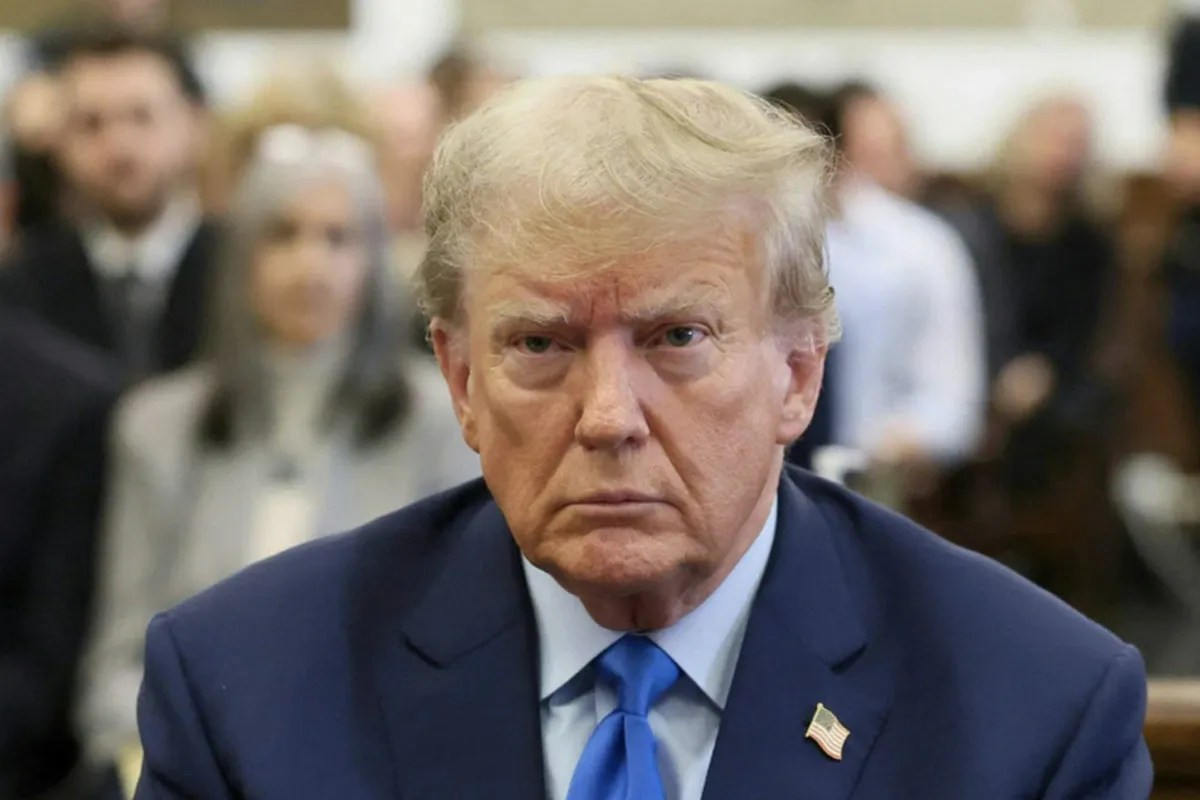
Donald Trump has done it again. Whenever a high-stakes foreign election doesn't go the way conservative allies prefer, you can almost set your watch by his reaction. This time, the target wasn't a domestic ballot box or a European Union referendum. It was Brazil.
Following Luiz Inácio Lula da Silva’s victory over Senator Flávio Bolsonaro in a tense presidential runoff, Trump wasted no time throwing shade at the entire process. Speaking to reporters while on the move, he didn't hold back. He claimed the vote "looked like another rigged election" and branded the whole spectacle as "so corrupt". Classic Trump. But beneath the headline-grabbing soundbites lies a recurring geopolitical pattern that deserves a closer look.
The Brazil Factor and Lula’s Return
Let's look at what actually happened on the ground in South America's largest democracy. Lula secured his fourth non-consecutive term with roughly 51.79 percent of the valid votes, edging out the far-right challenger. It was a fierce contest, reflecting a deeply polarized nation.
Yet, Trump’s commentary sidestepped the actual democratic mechanics of the vote. Instead, he zeroed in on the tabulation extensions and what he perceived as a shady rollout, all while maintaining that he personally gets along fine with Lula. You've got to admire the sheer diplomatic whiplash. He calls the election corrupt, questions the integrity of the count, but quickly clarifies that he actually likes the guy winning it.
Why Global Election Skepticism Matters
When prominent leaders cast doubt on foreign electoral systems without concrete evidence, the ripple effects go far beyond a single news cycle.
Donald Trump Mistook Brazil for India and Why Media Gaffes Matter
news
Donald Trump recently found himself in a messy public tangle. While talking about foreign elections, voting systems, and political fraud, he ended up confusing Brazil with India. It sounds like a joke. But it happened right on stage.
He claimed that 12.5 crore people voted in what he described as a massive electoral process, while simultaneously slamming the American election system as completely corrupt. When high-profile politicians mix up two of the biggest democracies on the planet, people notice. This slip-up wasn't just a funny internet moment. It exposed how casual political rhetoric often brushes past basic facts to push a broader narrative about election integrity.
The Confusion Behind the Numbers
Numbers matter in politics. When a former US president throws around specific figures like 12.5 crore—which equals 125 million voters—people try to make sense of them. India regularly sees hundreds of millions of voters head to the polls during its massive general elections, often crossing the 600-million mark. Brazil, on the other hand, typically records around 115 to 120 million votes in its presidential runoffs.
Trump lumped these distinct electoral landscapes together. He pointed to foreign systems to argue that other countries manage to wrap up their voting quickly, contrasting them with American mail-in ballots and extended counting periods.
Mixing up Brazil and India while doing it creates a factual mess. You can't criticize one country's timeline using data from a completely different hemisphere. The slip highlights a recurring problem. Global leaders often treat foreign nations as interchangeable props for domestic talking points.
Why Political Speeches Play Fast and Loose with Facts
Let's be honest. Politicians aren't fact-checking themselves mid-sentence. When you are standing in front of a cheering crowd, precision takes a back seat to emotional resonance. The core message Trump wanted to send wasn't about Brazilian electronic voting machines or Indian ballot paper logistics. It was simple. He wanted to claim that the United States election system is broken.
To make that argument sound dramatic, any foreign example will do—even if the details get scrambled along the way. Listeners rarely pause to check whether 12.5 crore votes belong to South America or South Asia. They absorb the feeling of the argument.
This strategy works wonders for political momentum, but it wrecks public understanding of international affairs. Most voters already struggle to name neighboring countries on a map. Hearing a major political figure confuse two massive emerging economies only deepens that confusion.
The Broader Debate Over Electronic Voting
Beneath the geographical blunder lies a very real, very contentious debate about how modern democracies cast their ballots. Brazil uses an entirely electronic voting system that usually delivers results within hours of polls closing. India relies heavily on Electronic Voting Machines across millions of polling booths, managing the largest democratic exercise in human history with staggering logistical precision.
Critics of American elections often point to these countries to ask a blunt question. Why does the wealthiest nation on earth take days or weeks to count votes when other nations finish in a single evening?
It is a fair question, even if the premise ignores massive differences in scale, decentralization, and legal frameworks. American elections are not run by a single national authority. They are decentralized collections of thousands of county-level operations, each with its own rules, equipment, and deadlines. Comparing that messy patchwork to Brazil's centralized federal system or India's Election Commission setup is like comparing a local corner store to a global supply chain.
The Cost of Sloppy Rhetoric
When leaders mix up facts, the media circus takes over. Headlines focus on the geography error rather than the underlying policy debate. Supporters dismiss it as a minor slip of the tongue. Detractors point to it as proof of incompetence.
Meanwhile, the actual mechanics of voting reform get lost in the noise. If we want to fix trust in elections, we need better conversations. We need discussions rooted in actual data, not improvised speeches where continents and countries blur together.
Pay attention to how political narratives are built. Whenever someone tells you how smoothly the rest of the world does things, check their homework. Chances are, they missed a continent or two along the way.