The map of the world is not drawn with ink. It is drawn with friction. Right now, lines of tension stretch thin across continents, humming with an invisible electricity that makes diplomats wake up sweating at three in the morning. Imagine sitting in a wood-paneled room in Tehran, watching the smoke curl from a cigarette while the ceiling fans lazily push heavy air around. Outside, a city pulses with the quiet anxiety of a population waiting to see which way the pendulum of history will swing. Inside, men with decades of statecraft behind them are looking past their immediate neighbors, past the volatile borders of the Middle East, searching for a different kind of anchor.
They are looking toward New Delhi. You might also find this related article useful: Why the New US Venezuela Oil Deal Leaves Everyday Venezuelans Behind.
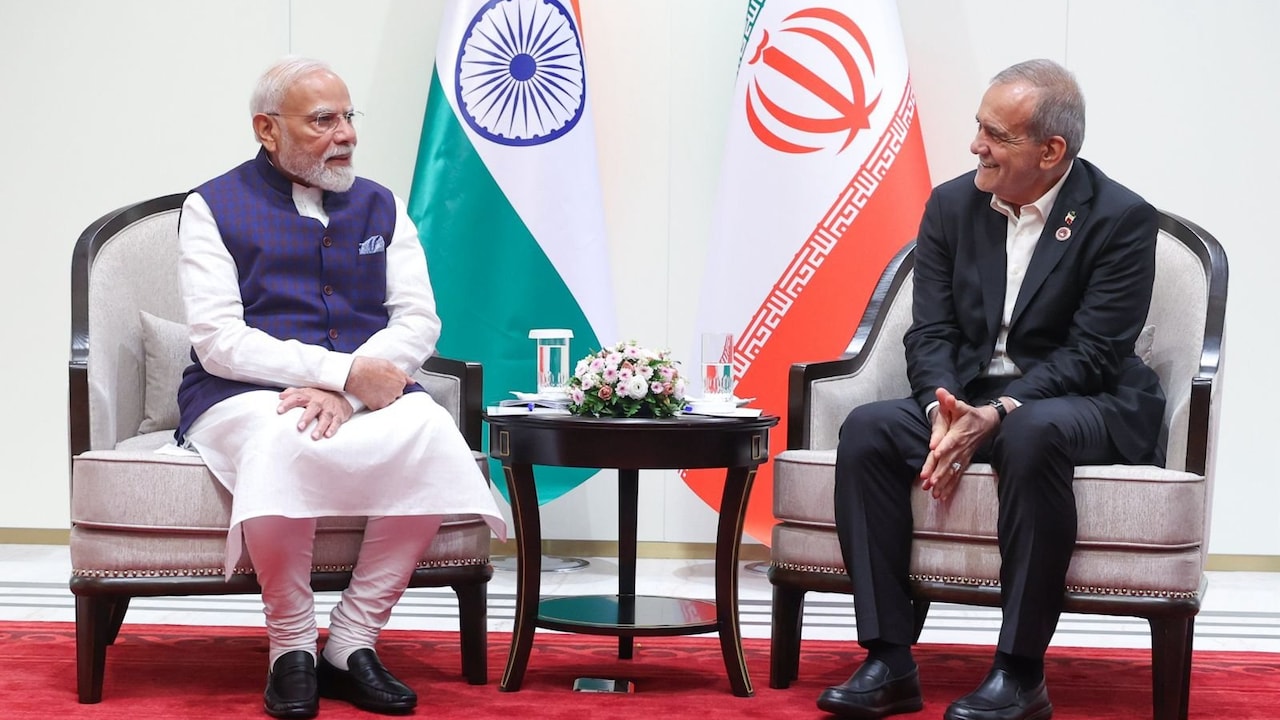
This is not about grand alliances written on parchment. It is about the heavy, unglamorous lifting of personal credibility. When Iranian officials recently stepped up to microphones and publicly urged Prime Minister Narendra Modi to deploy India's extensive diplomatic channels to stop the spreading fires of war, they were not offering empty flattery. They were acknowledging a rare, fragile currency in modern international relations: the ability to speak to everyone while belonging to no single camp.
Consider what it takes to occupy that space. For decades, foreign policy pundits in Western capitals have looked at India's non-aligned posture with mild condescension or outright confusion. How can a nation shake hands with Washington while simultaneously buying discounted energy from Moscow and maintaining deep, historical ties with Tehran? To the binary mind, you must pick a side. You must wear a color. As highlighted in detailed reports by NBC News, the results are widespread.
History disagrees.
Think back to the old merchant houses of Bombay or the ancient trading routes that wound through the Hindu Kush. Survival never belonged to the dogmatist. It belonged to the bridge-builder. India has spent the better part of a century cultivating a strange, stubborn independence. It is an independence born from the scars of partition and the fierce pride of a post-colonial state that refused to become a proxy for anyone else's Cold War.
Today, that stubbornness pays dividends that no amount of military hardware can buy. When Tehran asks New Delhi to use its influence, they are looking at a government that can pick up the phone in Washington and be heard, while simultaneously holding an open, pragmatic dialogue with Persian leadership. They see a nation that does not lecture, does not invade, and does not demand ideological conformity as the price of admission.
But let us be entirely honest about the limits of charm. Diplomacy is not magic. It is leverage, timing, and cold calculation.
When a nation of over a billion people sits at the crossroads of global growth, its silence carries weight, but its voice can alter weather patterns. Prime Minister Modi’s administration has consistently walked a tightrope over a canyon of competing interests. On one side lie vital economic partnerships with Western democracies, technological alliances, and the shared anxiety over maritime security in the Indo-Pacific. On the other side lie centuries of cultural exchange, energy security, and the grim reality of regional geography that dictates stability in West Asia directly impacts the price of wheat, oil, and the safety of millions of Indian diaspora workers living across the Gulf.
When the drums of war beat louder, the diaspora feels it first. (For the sake of illustration, picture a young engineer named Rajesh, sitting in a high-rise apartment in Dubai, scrolling through news feeds on his phone while his mother calls from a quiet suburb in Gujarat, her voice trembling slightly as she asks if he needs to pack a bag). These are the invisible stakes. Wars are planned in sterile rooms by men in tailored suits, but they are bled out by people like Rajesh.
Iran knows this. Tehran knows that New Delhi has a vested, visceral interest in dampening the flames before they engulf the entire trade corridor. A wider conflagration in the Middle East chokes off energy supplies, disrupts shipping lanes in the Red Sea and the Arabian Sea, and threatens the delicate economic momentum that India has spent years building.
So what happens when an appeal like this is made? Does the machinery of state swing into motion with dramatic press conferences and roaring jets?
Rarely.
Real diplomacy happens in whispers. It happens in secure back rooms where envoys exchange coded messages over lukewarm tea. It looks less like an action movie and more like a quiet chess match played in slow motion. India's Ministry of External Affairs does not operate through grand pronouncements. It operates through strategic ambiguity and relentless back-channel communication.
The diplomats in South Block know that to be effective mediator material, you cannot grandstand. If you want to talk sense to a besieged regime, you cannot do it while holding a megaphone that broadcasts your moral superiority to the global press. You must sit across the table, acknowledge their fears, state your boundaries, and quietly point toward the abyss that awaits them if they take one more step forward.
This is the quiet power of the middle powers. As traditional Western hegemony frays at the edges and a multipolar chaos takes its place, the world is discovering that unipolar policemen are a thing of the past. We live in a fractured room where no single giant can dictate the terms of peace anymore. It requires a chorus. It requires actors who can walk between the raindrops without getting wet.
India’s response to Iran's plea will not be broadcast in neon lights. It will be measured in the quiet passage of cargo ships that are not attacked, in the subtle shifts of tone in diplomatic communiqués, and in the averted eyes of leaders who decide, at the very last second, to step back from the ledge.
The phone call is made. The line is open. In the heavy silence of the control room, the world holds its breath, waiting to see if a bridge built over decades can bear the weight of a breaking world.