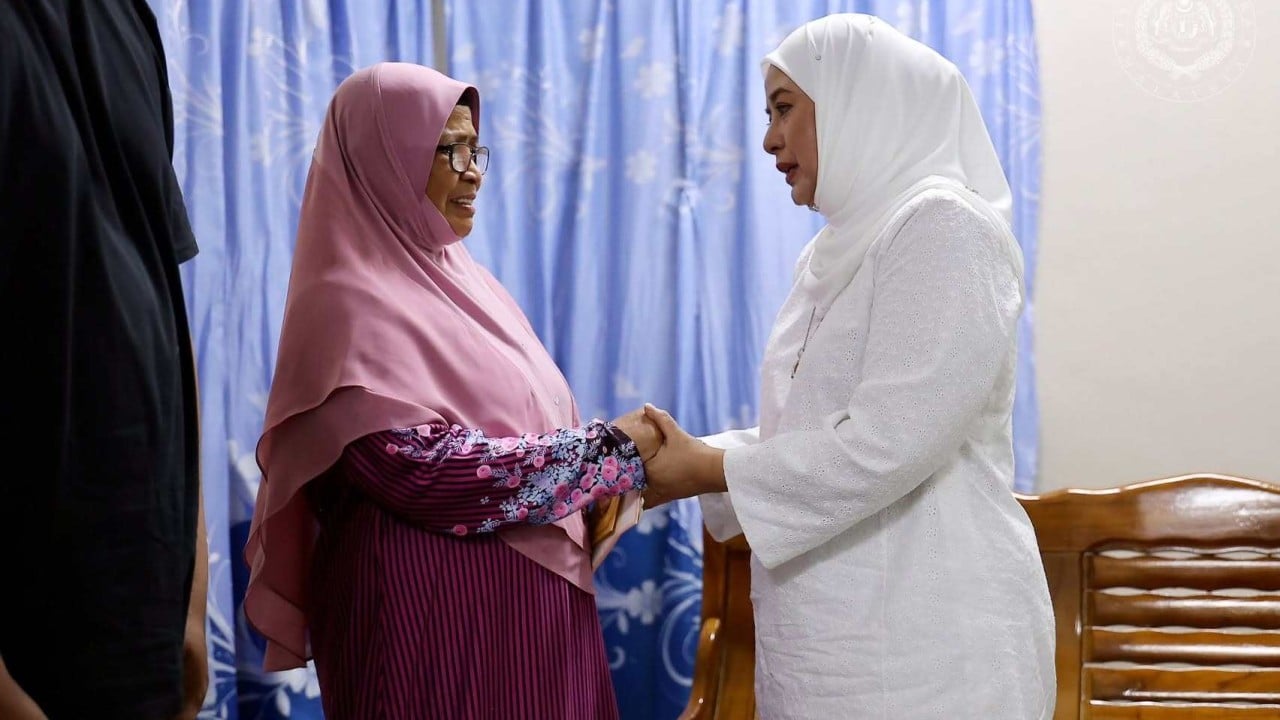
The intersection of statecraft and soft power relies heavily on high-frequency, low-visibility engagements that reinforce bilateral ties through shared religious and cultural heritage. When a foreign diplomatic mission executes targeted resource allocation within a host nation's regional sub-market, it initiates a precise sequence of geopolitical signaling, community integration, and economic friction reduction. Analyzing the event involving the Thai Consul General visiting a Buddhist vihara in Kancheepuram and distributing staple commodities to devotees reveals a multi-layered framework of institutional diplomacy, cultural affinity mapping, and local stakeholder engagement.
The Mechanics of Sub-National Diplomatic Outreach
Traditional models of international relations focus on capital-to-capital negotiations, ministerial summits, and trade pact agreements. However, micro-diplomacy operates at the sub-national level, targeting localized nodes of cultural or historical significance. Kancheepuram serves as a critical nexus point for historical Buddhist and pan-Asian heritage within South India, making it an asymmetric focal point for Thailand's diplomatic strategy.
By bypassing metropolitan administrative centers and engaging directly with regional religious institutions, diplomatic missions achieve three distinct structural advantages:
- Audience Resonance: Direct engagement with religious and local communities bypasses filtered media channels, establishing immediate credibility with grassroots constituencies.
- Historical Continuity: Leveraging ancient civilizational links—such as shared Buddhist heritage—reduces the friction of foreign policy implementation by rooting current interactions in deep historical precedents.
- Asymmetric Visibility: High-impact, low-cost interventions generate substantial goodwill per unit of capital expended compared to traditional embassy-level receptions or large-scale trade exhibitions.
The spatial choice of Kancheepuram is not accidental. It represents an intentional nod to historical cross-border migration of ideas, monastic scholarship, and spiritual lineages that predated modern nation-state borders.
Resource Allocation as a Signaling Mechanism
The act of donating essential commodities, specifically staple grains such as rice, to monastic and lay communities functions as a tangible expression of solidarity. In economic terms, this represents a direct transfer of utility that addresses immediate baseline needs while signaling institutional backing.
The cost function of such diplomatic gestures involves minimal financial expenditure relative to defense or macro-economic aid packages, yet it yields a disproportionate return on relational capital. The transaction operates along several vectors:
[Diplomatic Mission] ---(Allocates Resources)---> [Vihara / Monastic Authority]
                                                        |
                                            (Distributes to Devotees)
                                                        |
                                                        v
                                          [Strengthened Soft Power Grid]
This structural loop converts state-allocated resources into localized social capital. The monastic institution acts as a trusted distribution node, ensuring that the aid reaches targeted demographics without administrative leakage or institutional friction.
Cultural Heritage as a Bilateral Stabilizer
International relations are frequently vulnerable to macroeconomic shocks, political volatility, and trade disputes. Cultural diplomacy functions as an institutional hedge. When state actors reinforce shared spiritual and civilizational markers, they build a reservoir of public goodwill that cushions bilateral relations against external disruptions.
The diplomatic calculus relies on the principle of cultural proximity. Thailand and India share deep religious roots derived from the spread of Buddhist traditions across maritime and terrestrial trade routes. By participating in religious observances within an ancient center of learning like Kancheepuram, the Consul General operationalizes this shared heritage.
This operationalization manifests in several ways:
- Legitimization of Regional Ties: Reinforces the narrative that bilateral relations extend beyond contemporary commercial treaties into foundational civilizational values.
- Facilitation of Tourism and Academic Exchanges: Establishes a receptive local environment for future bilateral initiatives in heritage tourism, academic research, and monastic exchanges.
- Community-Level Integration: Fosters direct rapport with diaspora and local religious groups who act as unofficial ambassadors for cross-border cooperation.
Strategic Implications for Regional Economic and Cultural Corridors
Micro-level diplomatic engagements shape the macro-environment for trade and tourism. Regions that maintain strong cultural linkages with foreign missions often experience smoother pathways for bilateral investment, pilgrimage tourism development, and educational partnerships.
The integration of religious diplomacy into standard consular operations demonstrates an advanced understanding of regional sociology. State actors who recognize and respect local religious ecosystems minimize diplomatic friction and maximize local cooperation.
Future iterations of sub-national diplomacy will likely place increased emphasis on targeted infrastructure support, digital preservation of shared manuscripts, and institutional linkages between monastic universities across borders. The Kancheepuram engagement illustrates the foundational mechanics of this approach: identifying historical nodes, aligning resource distribution with community needs, and utilizing shared heritage to secure long-term diplomatic resilience.