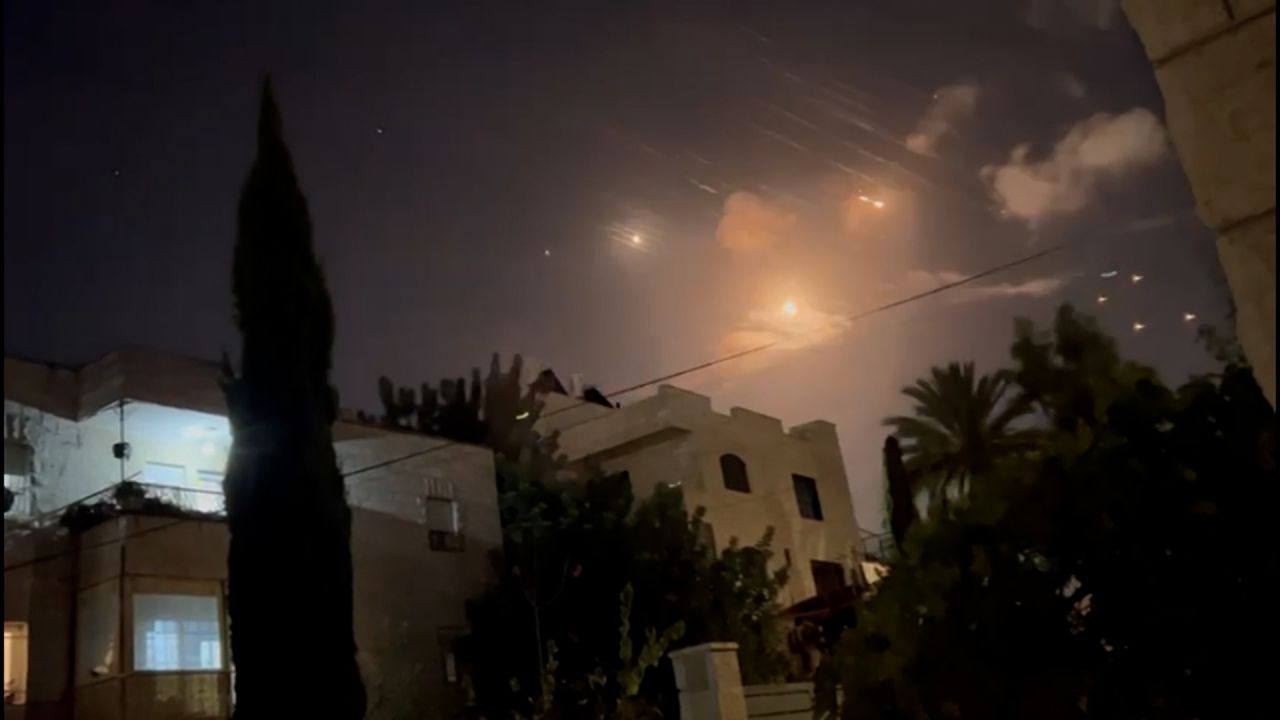
The headlines are vibrating with the same tired shock. An envoy to the United Nations claims "no knowledge" of peace overtures. The media treats this like a diplomatic failure or a breakdown in communication. They are wrong. In the high-stakes theater of Middle Eastern geopolitics, "I don't know" is the most calculated answer in the room.
If you believe a UN representative is the first person to know about back-channel negotiations between nuclear-adjacent powers, you don't understand how power works. You are watching a puppet show and complaining that the wooden dolls aren't writing the script.
The Strategic Value of Plausible Deniability
Diplomacy is not a press release. It is a shadow game played in windowless rooms in Muscat, Doha, or Geneva. By the time an envoy at the UN confirms a "talk," the deal is already dead or already done.
When Danny Danon or any official in his position tells the press they have no knowledge of US-led overtures to Iran, they aren't necessarily lying—they are performing a function. That function is plausible deniability.
- Information Siloing: Intelligence services and executive branches intentionally keep their diplomatic front-men in the dark. Why? Because a diplomat who truly doesn't know can't accidentally blink at the wrong time during a cross-examination.
- Leverage Preservation: If Israel admits to being part of a "peace overture" while simultaneously conducting kinetic operations, they lose the moral and tactical high ground of "ongoing operations."
- Internal Politics: Admitting to talks with a regional arch-rival is political suicide during an active conflict.
The "lazy consensus" suggests this lack of knowledge is a sign of a rift between Washington and Jerusalem. That’s a fundamental misunderstanding of the alliance. The rift is the mask. The coordination is the bone.
The Iran-Israel Paradox
We are told these two entities are at an irreversible impasse. The competitor articles want you to believe that "operations continue" means the door to diplomacy is bolted shut.
Actually, the intensity of the operation is often the very thing that forces the door open.
Think of it as a violent auction. Every strike, every intercepted drone, and every "denied" peace overture is a bid. You don't negotiate by being nice; you negotiate by making the alternative—continued conflict—unbearable.
The Cost of the "Peace" Obsession
The West has a pathological need to see "peace talks" as a binary state. Either they are happening, or they aren't. In reality, the most effective negotiations happen through the barrel of a gun.
- The kinetic phase: Establishing what you are willing to destroy.
- The silent phase: The "no knowledge" phase where intermediaries test the waters.
- The formal phase: The meaningless signing ceremony that everyone celebrates, despite the fact that the real work happened six months prior when everyone was still denying the talks existed.
I’ve seen this play out in corporate warfare and international statecraft alike. The moment a CEO says, "We aren't looking to sell," is the exact moment they’ve received an offer they’re actually considering. Silence is the ultimate premium.
Why the UN is the Wrong Place to Look
People ask: "Why isn't the UN facilitating these talks?"
Because the UN is where diplomacy goes to be recorded, not where it is born. Using the UN for sensitive Iran-Israel-US mediation would be like trying to conduct a secret merger on a public Twitter thread.
The UN’s structure—public, performative, and burdened by the veto power of five different agendas—is designed for stalemate. Real breakthroughs require the absence of an audience. When an envoy says they aren't participating in talks, they are telling the truth about their specific office, but it says nothing about the state of the relationship.
The Intelligence Gap
Let’s look at the numbers—not the fake ones, but the logistical ones. The volume of back-channel communication between "enemy" states during active wars is historically higher than during periods of cold peace.
Imagine a scenario where the US is passing messages to Tehran via the Swiss embassy while Israel is simultaneously hitting targets in Lebanon. The media sees a contradiction. The strategist sees a synchronized pressure campaign.
The US plays the "Good Cop" (The Peace Overture).
Israel plays the "Bad Cop" (The Operation Continues).
Neither can acknowledge the other's role without ruining the effect. If the US admits Israel is on board with the overture, Iran's hardliners can't accept it. If Israel admits the US is talking to Iran, the Israeli public revolts. The denial isn't a lack of information; it's a structural necessity for the gears of the machine to turn.
Stop Asking if Talks are Happening
The question "Are there peace talks?" is the wrong question. It’s a civilian question.
The professional question is: "What is the price of the current silence?"
Every day that a "peace overture" is denied while an "operation continues" is a day where the cost of the final settlement goes up. The US isn't looking for a "peace treaty" in the 1990s sense. They are looking for a regional equilibrium.
Equilibrium doesn't mean people stop hating each other. It means they agree on the specific cost of killing each other.
The Industry Insider’s Truth
I’ve sat in rooms where the public stance was "total opposition" while the private ledger was full of compromises. The greatest barrier to understanding current events is the belief that public statements represent private intent.
The "operation continues" because it has to. It is the only currency Israel has in a market where Iran is trying to devalue Israeli security. You don't stop spending currency right before you get to the checkout counter.
The Failure of "De-escalation"
The competitor's piece likely focuses on the hope for "de-escalation." This is a buzzword for people who don't want to make hard choices.
De-escalation is often just a pause that allows the enemy to rearm. True stability—the kind that actually lasts—usually comes after a period of decisive escalation. By denying the peace talks, Israel is signaling that they haven't reached the point of decisive escalation yet. They aren't done setting the price.
The Actionable Reality
If you are an investor, a policy analyst, or just someone trying to navigate this news cycle, ignore the denials.
- Watch the logistics: Watch the movement of assets, not the movement of lips.
- Follow the intermediaries: If the Qatari or Omani foreign ministers are suddenly frequenting DC and Tehran, the talks are happening, regardless of what an envoy in New York says.
- Ignore the "rifts": The US and Israel have a "work spouse" relationship. They fight loudly in public so they can get what they want in private.
The envoy’s denial is the sound of the system working. It is the hum of a well-oiled machine. It isn't a sign of confusion; it's the signature of a professional operation.
Stop looking for the handshake. Look for the shadow.