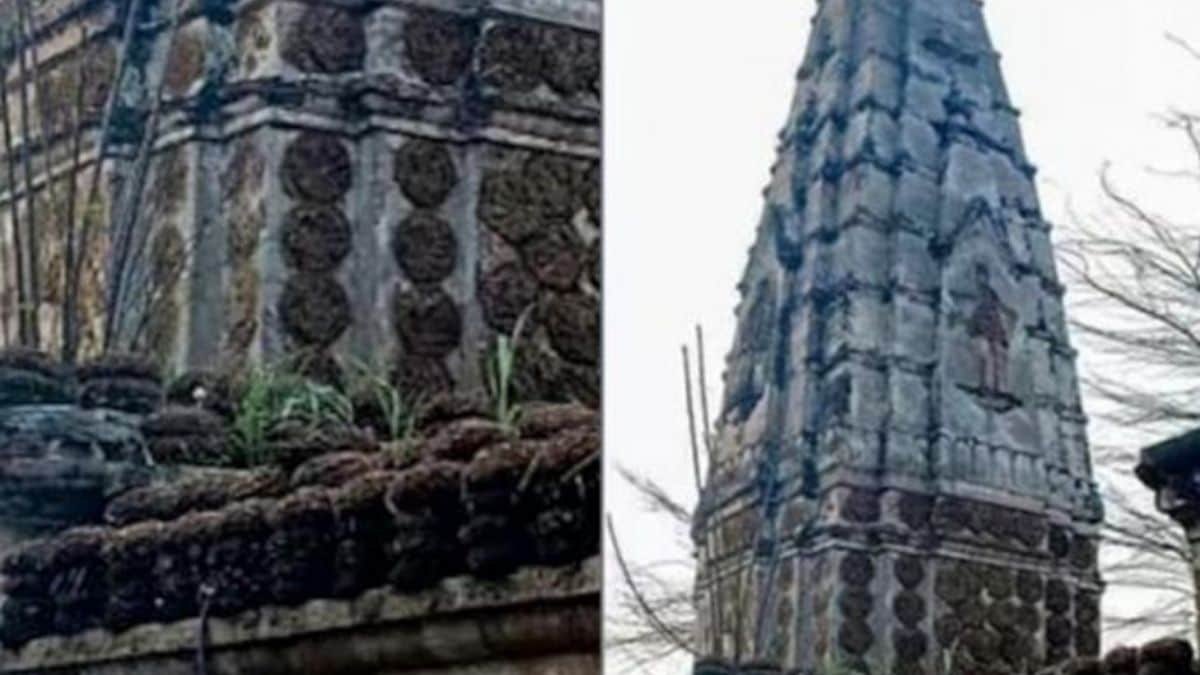
An ancient place of worship vanishes overnight, and the official explanation leaves everyone asking tough questions. A historic Hindu temple believed to be between 100 and 125 years old was brought down on August 21 in Siraj village, located in Pakistan's Narowal district roughly 130 kilometres from Lahore. While minority groups and local community leaders are crying foul over a deliberate land grab tied to an adjacent religious seminary, government authorities claim Mother Nature did the damage.
You don't need to look hard to see why tensions are boiling over. The destruction of this 1,000-square-metre structure has exposed deep-seated vulnerabilities regarding how minority heritage sites are managed, protected, or ignored across Punjab province.
The Battle Lines Drawn Over Siraj Village
Two completely different narratives surround the rubble in Narowal. On one side, minority rights advocates and political representatives argue that the temple didn't just fall down on its own.
Aslam Parvez Sahotra, chairman of the Pakistan Masiha Millat Party (PMMP), took the matter directly to the Punjab Additional Home Secretary. Sahotra and local residents submitted a formal written application demanding a thorough investigation and criminal accountability. According to their accounts, members of the banned far-right political party Tehreek-i-Labbaik Pakistan (TLP) targeted the structure to expand an adjoining madrassa. Witnesses noted that bricks and distinctive metal fittings from the temple's dome, or shikhar, were systematically cleared away after the walls came down.
On the other side, the Evacuee Trust Property Board (ETPB)—the governmental body responsible for looking after abandoned or minority properties—tells a different story. Rana Iftikhar, a senior ETPB official, maintained that the structure simply could not withstand heavy seasonal weather.
"The temple carries no name in our record books," Iftikhar noted, while confirming its age. State officials insist that heavy downpours and torrential rains caused the aging brickwork to fail completely.
Unpaid Leases and Ignored Eviction Orders
The plot thickens when you look at the paper trail surrounding the land. This isn't just about weather versus wrecking balls; it's about real estate.
Records show that the ETPB previously leased the land directly adjacent to the temple for the establishment of an Islamic seminary. That lease didn't go smoothly. Rent payments allegedly stopped for several years, and the property was never used for its approved operational purpose.
Because of these breaches, the ETPB deputy administrator in Sialkot issued an official order on January 29, cancelling the seminary's lease rights. That order explicitly demanded the eviction of illegal occupants and the sealing of the compound.
Local leaders claim those orders were toothless. Rattan Lal, a prominent Hindu community figure and member of the Narowal District Peace Committee, didn't mince words about the administrative failure.
"The district administration and the ETPB failed to take adequate measures to protect the site or remove the alleged occupants, ultimately allowing the temple to be demolished," Lal stated.
Why This Ancient Site Matters Now
For the remaining Hindu population in the region, visiting historical heritage locations already carries a heavy psychological tax. Decades of regional political friction, historical conversions of sacred spaces, and security threats mean people tread lightly.
When a structure that stood for over a century vanishes, it signals that administrative safeguards exist only on paper. Local community members report that they are now actively afraid to even visit the village site because the adjoining seminary remains active right next to the ruins.
Civil society groups are pushing past simple apologies. They want the Punjab government to fund a direct, faithful reconstruction of the temple on its original footprint. They are also demanding broader security audits for every remaining Hindu temple, Sikh gurdwara, and Christian church across the province.
If the state wants to prove it protects pluralism, independent investigators need unhindered access to the Narowal site immediately. Stop waiting for committees to form, and start holding negligent officials accountable for properties under their direct watch.