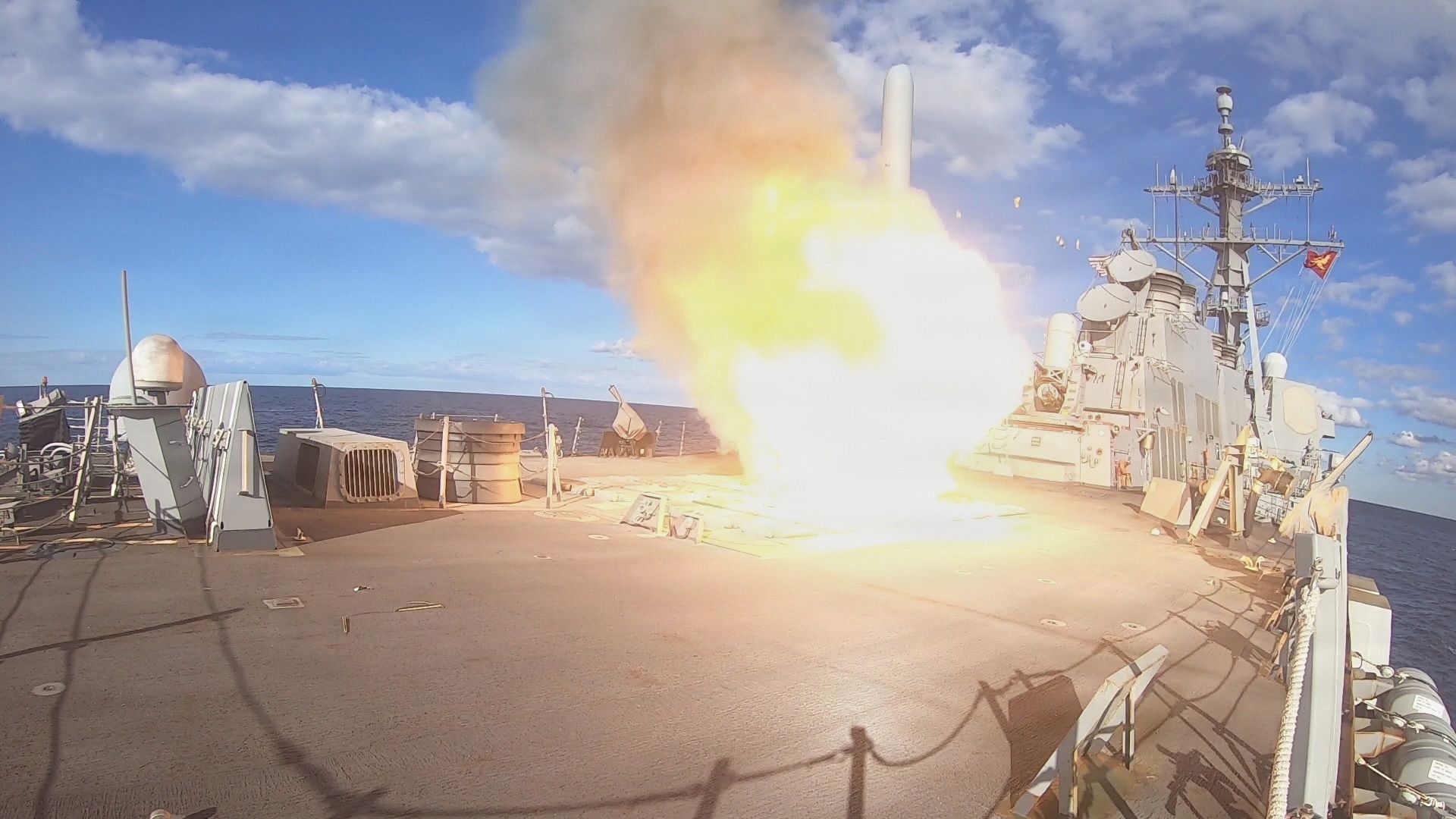
The joint U.S.-Israeli military campaign launched on February 28, 2026, codenamed Operation Epic Fury (U.S.) and Operation Roaring Lion (Israel), represents the first instance of a deliberate "decapitation strategy" aimed at forced regime change in a major regional power. Unlike the limited-scope engagements of June 2025, this kinetic intervention seeks the absolute dismantling of the Islamic Republic’s command structure, nuclear infrastructure, and naval projection capabilities. The confirmed death of Supreme Leader Ayatollah Ali Khamenei in a precision strike on the Pasteur district of Tehran has transitioned the conflict from a traditional deterrence cycle into a high-stakes systemic collapse scenario.
The Tri-Pillar Target Architecture
The coalition’s operational logic is partitioned into three distinct functional categories, each designed to paralyze a specific layer of the Iranian state:
- Executive Decapitation (The Command Layer): Targets included the Supreme Leader’s office, the National Security Council, and the residences of the IRGC high command. The elimination of Khamenei, alongside security adviser Ali Shamkhani and IRGC Commander Mohammad Pakpour, creates an immediate power vacuum in a system that lacks a constitutional mechanism for rapid, contested succession.
- Strategic Denial (The Capability Layer): The Israeli Air Force (IAF) executed its largest combat sortie in history, striking over 500 targets. These focused on the hardened nuclear facilities and the ballistic missile batteries in western Iran. By neutralizing the "Launch-to-Impact" chain, the coalition sought to limit the volume of the inevitable retaliatory salvo.
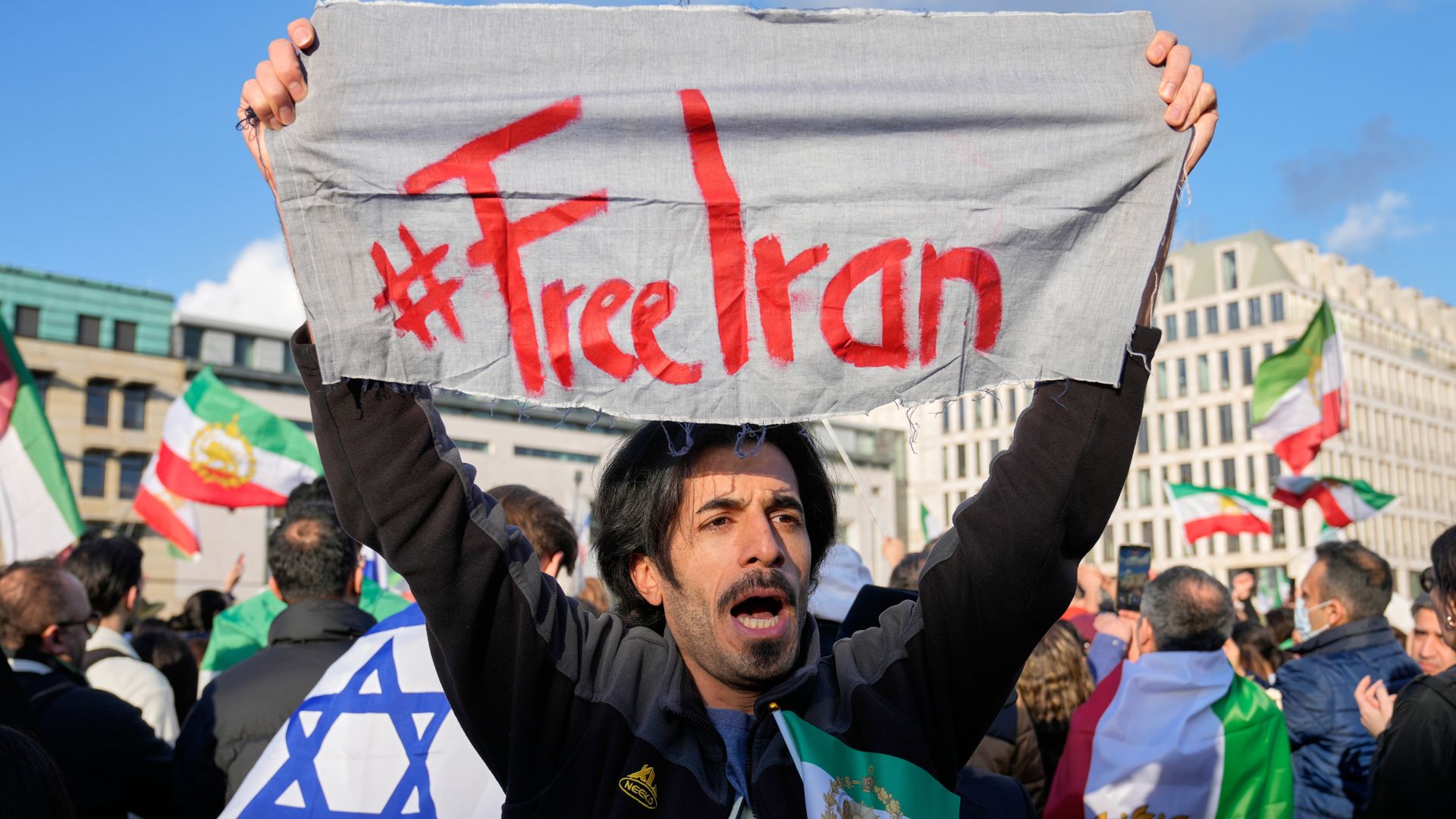
- Domestic Destabilization (The Social Layer): Concurrent with kinetic strikes, a massive cyber-offensive targeted Iranian domestic infrastructure and telecommunications. This was synchronized with President Donald Trump’s public exhortation for the Iranian populace to "take back" their country, leveraging the internal friction generated by the January 2026 anti-government protests.
The Retaliatory Cost Function: Analyzing the Iranian Salvo
Iran’s response, characterized by the IRGC as "revenge for the Martyr of the Revolution," follows a multi-vector attrition model. The strategic objective of Tehran’s retaliation is not military victory, but the imposition of a "unbearable cost" on regional U.S. partners to force a diplomatic cessation of the campaign.
Geographic Distribution of Iranian Kinetic Output
Iran has expanded the battlespace to include eight sovereign nations, utilizing its remaining mobile missile launchers and drone swarms:
- Israel: Approximately 170 ballistic missiles were fired in the opening waves. While the Arrow and David’s Sling systems maintained a high interception rate, a March 1 strike near Jerusalem resulted in nine fatalities, demonstrating the saturation threshold of modern air defenses.
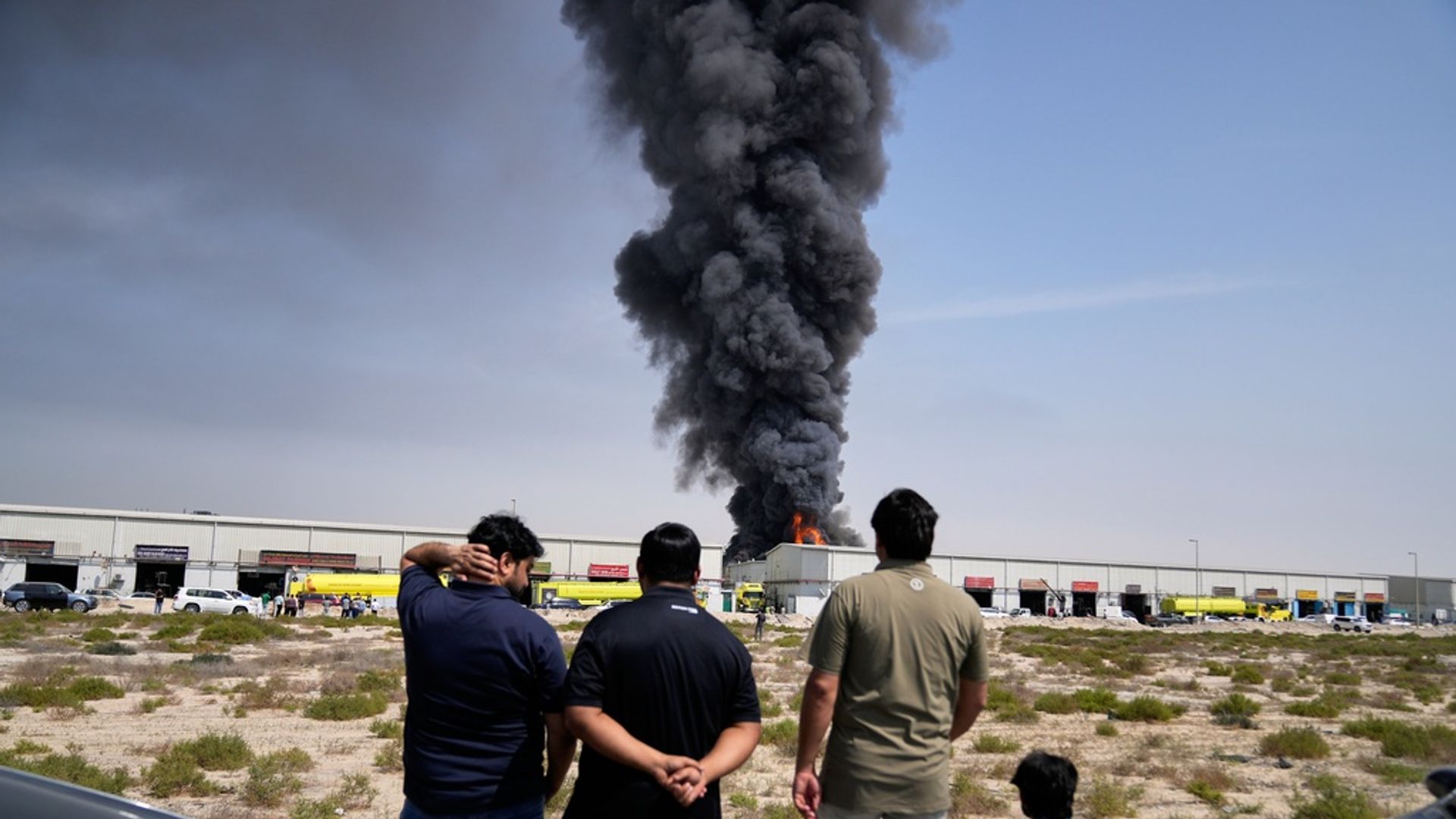
- The GCC Hubs: Strikes on Dubai, Abu Dhabi, and Doha have achieved a secondary economic objective: the unprecedented simultaneous closure of the region’s three primary aviation hubs.
- Maritime Stranglehold: The IRGC Navy has effectively closed the Strait of Hormuz, declaring it "not allowed" for international traffic. This move leverages the global energy market as a defensive shield, as a prolonged blockage threatens roughly 20% of the world’s liquid petroleum supply.
Strategic Bottlenecks and Operational Risks
The coalition strategy relies on the assumption that the Iranian "Deep State" will fragment following the loss of its ideological head. However, the Islamic Republic’s multi-layered elite structure presents several bottlenecks to a swift resolution:
- The Succession Paradox: The appointment of Ahmad Vahidi as the new IRGC commander-in-chief suggests the military wing is consolidating power. In the absence of a clear Supreme Leader successor, the IRGC may transition into a direct military junta, which is historically more resistant to "people-power" uprisings than a clerical regime.
- Regional Host-Nation Fragility: The targeting of U.S. bases in Bahrain, Kuwait, and Qatar places these governments in an existential dilemma. If the U.S. continues to use these bases for offensive sorties, Iran has signaled it will treat the host nations as active belligerents, potentially leading to the destruction of critical desalination and energy infrastructure in the Gulf.
- The Intelligence Asymmetry: While decapitation strikes remove known leaders, they also destroy the primary nodes through which intelligence is gathered. A decentralized IRGC becomes a "black box" operation, making it significantly harder to predict the next phase of asymmetric or proxy warfare in Lebanon and Iraq.
Forecast: The Transition to Attrition
The conflict is currently exiting the "Shock and Awe" phase and entering a period of sustained regional attrition. The coalition’s next move must be the immediate establishment of a "Safe Zone" for a potential transitional government within Iran or the total suppression of the remaining IRGC mobile missile units.
The most critical variable in the next 72 hours is the stability of the Strait of Hormuz. If the U.S. Navy moves to forcibly reopen the waterway, it will require a direct engagement with Iranian coastal defense batteries, effectively committing the coalition to a full-scale ground-and-sea theater. Investors and regional planners should prepare for a "long-tail" conflict where the primary risk is no longer Iranian state action, but the chaotic, decentralized violence of a collapsing regime's remnants.
Would you like me to map the specific impact of the Strait of Hormuz closure on global Brent Crude price projections for the second quarter of 2026?