The sneaker bubble finally burst, leaving millions of people staring at closets full of chunky foam soles they no longer want to wear. For nearly a decade, athletic shoes reigned supreme across boardrooms, subway cars, and high-end restaurants. Comfort was the mandate. Uniformity was the result.
Every autumn brings a familiar retail script. Trend reports scream about boots or promise a renaissance of specific silhouettes, treating consumer fatigue as a design challenge rather than a symptom of exhaustion. This autumn feels different. The widespread shift toward loafers is not just another seasonal costume change. It is a rebellion against sloppy dressing disguised as casual comfort. Walk through any financial district or media office right now, and the footwear math has changed entirely.
People are buying loafers because sneakers have lost their subversive edge. When a pair of neon trainers pairs equally well with sweatpants, a corporate suit, and a wedding tuxedo, the item stops making a statement. It becomes background noise.
Anatomy of a Supply Chain Shift
Look beneath the leather and stitching, and the loafer surge reveals a much larger transformation in global manufacturing and consumer psychology. During the peak years of athleisure dominance, heritage shoemakers in northern Italy and Portugal faced an existential crisis. Orders dried up. Tanneries closed. The fast-fashion machinery churned out millions of synthetic, injection-molded sneakers that cost pennies to produce and sold for triple digits.
That model is breaking down under the weight of its own waste. Consumers, particularly younger buyers with disposable income, are developing an acute allergic reaction to disposable goods. They want cost-per-wear math that actually works in their favor. A well-constructed leather loafer with a Goodyear welt can be resoled, conditioned, and worn for decades. A synthetic sneaker rots in a landfill after eighteen months of heavy city walking.
Retail data from major independent boutiques shows a staggering increase in year-over-year leather shoe sales, even as overall apparel spending slows. Shoppers are spending more per transaction, but they are buying fewer items. They are investing in footwear that commands respect in a room without screaming for attention.
The Ergonomics of Dressing Up
There is a dirty little secret about sneakers that footwear marketers hate to admit: they are not always good for your feet during long urban days. The excessive cushioning of modern athletic shoes often weakens the stabilizing muscles in the foot and ankle, leading to fatigue when pounding concrete for ten hours.
Loafers, particularly unlined suede or structured leather styles that break in like a baseball glove, offer a different kind of support. A proper leather sole absorbs the shock of the sidewalk through natural materials that mold to the exact contours of the wearer's arch over time. It is a custom fit engineered by friction and body heat, not chemical foam.
This ergonomic reality explains why commuters are ditching their sneaker-plus-backpack uniforms. They are carrying their shoes or simply wearing their loafers from the subway directly to the corner office. The break-in period used to be a deterrent. Now, it is viewed as a rite of passage, a process of personalization that fast fashion can never replicate.
Navigating the Material Landscape
Not all loafers deserve your money. The market is currently flooded with cheap alternatives made from corrected-grain leather coated in heavy plastic finishes that crack after three weeks of rain.
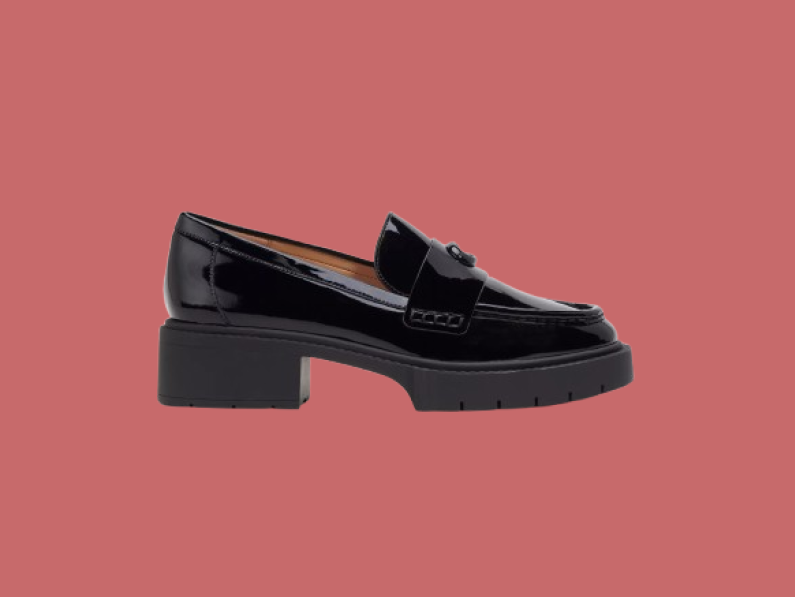
When evaluating what to buy this fall, material provenance matters more than brand prestige. Look for full-grain calfskin from reputable European tanneries, or roughout suede that handles moisture with grace. Construction methods tell the real story. Blake-stitched loafers offer a sleek, low-profile silhouette that pairs effortlessly with tailored trousers, while storm-welted lug-sole versions provide the traction needed for wet autumn weather without tipping into bulky combat boot territory.
The penny loafer remains the undisputed king of versatility, but horsebit hardware and tassel details have carved out massive market share for those wanting a touch of old-world extravagance. The key is avoiding overly trendy interpretations—square toes that look like architectural hazards or chunky platforms that weigh down the leg.
The Economics of Buying for Decades
Fast fashion trained a generation to view clothing as disposable entertainment. Buying a pair of high-end loafers shatters that mindset entirely. When you spend four hundred dollars on a pair of handmade shoes, your relationship with your wardrobe shifts. You check the weather forecast before stepping out the door. You buy horsehair brushes, nourishing creams, and cedar shoe trees. You take them to a cobbler when the heels wear down.
This is the hidden engine driving the current footwear pivot. People are tired of buying replacements for items that were never built to last. The obsession with loafers this season is a symptom of a deeper desire for permanence in a world that feels increasingly temporary, slippery, and weightless.
Put down the foam soles. Walk with some gravity.