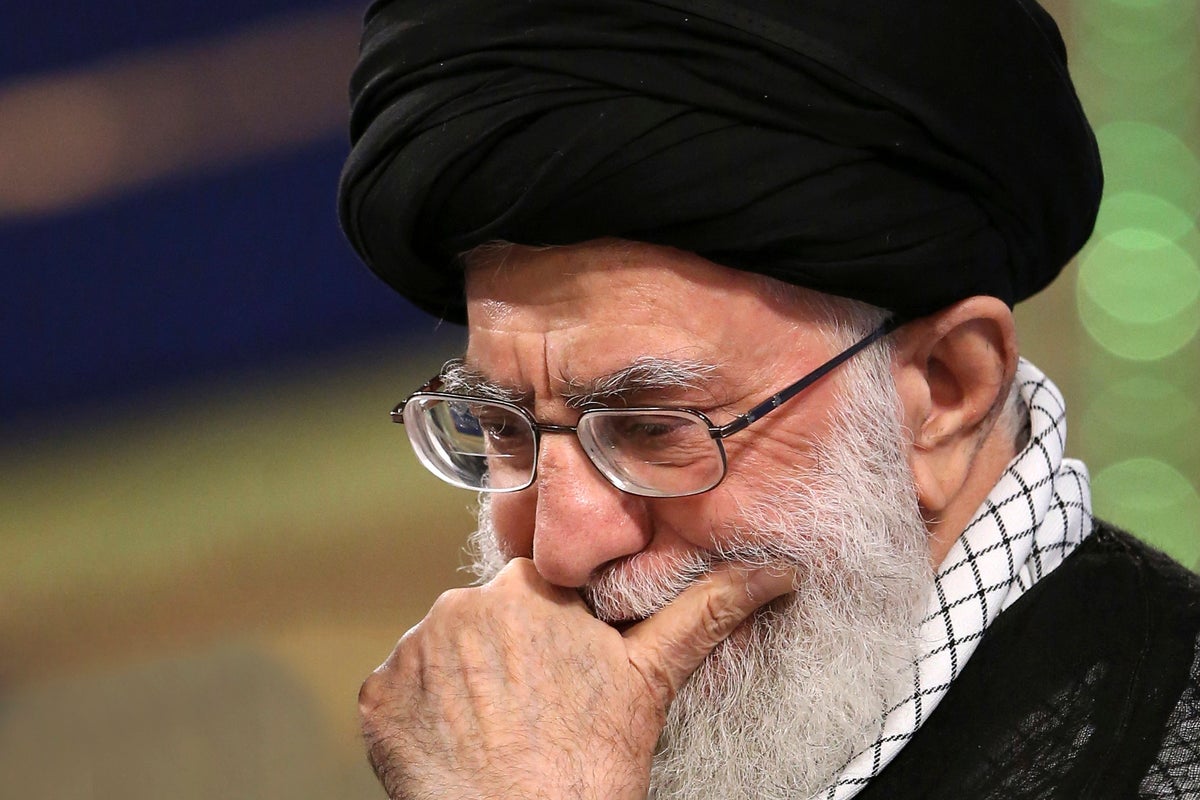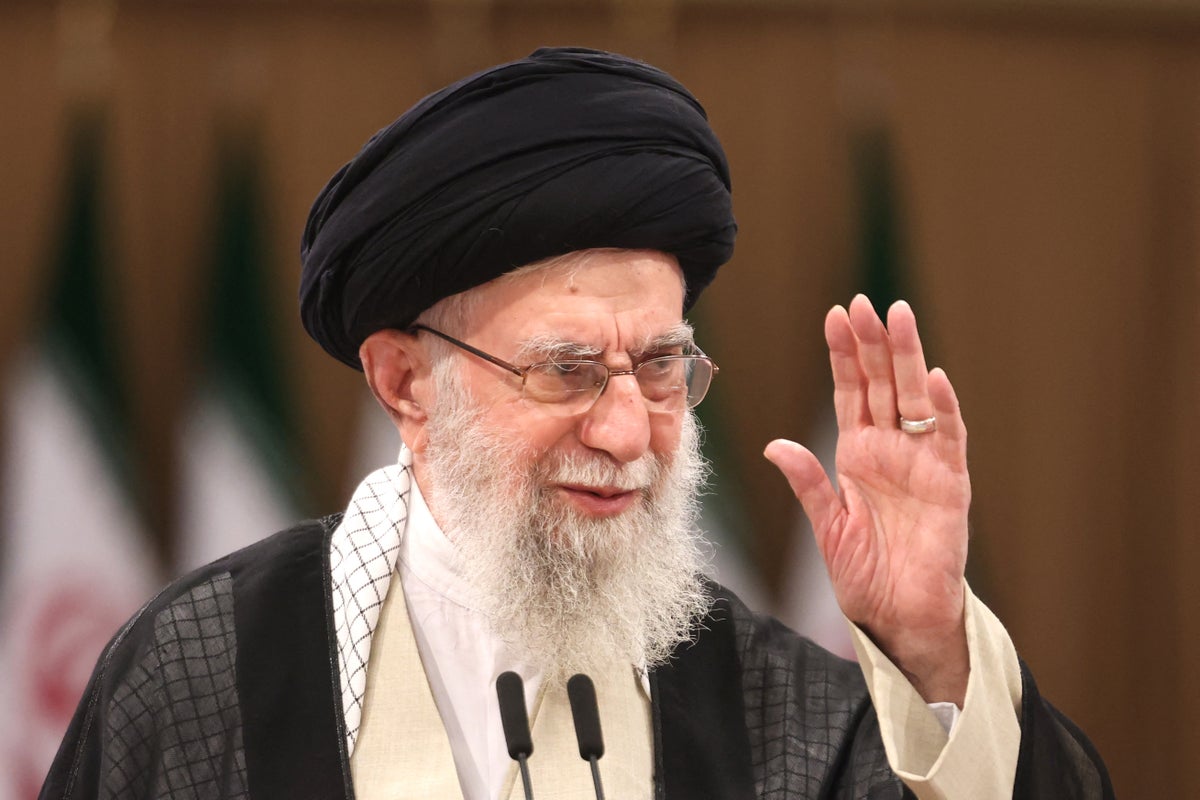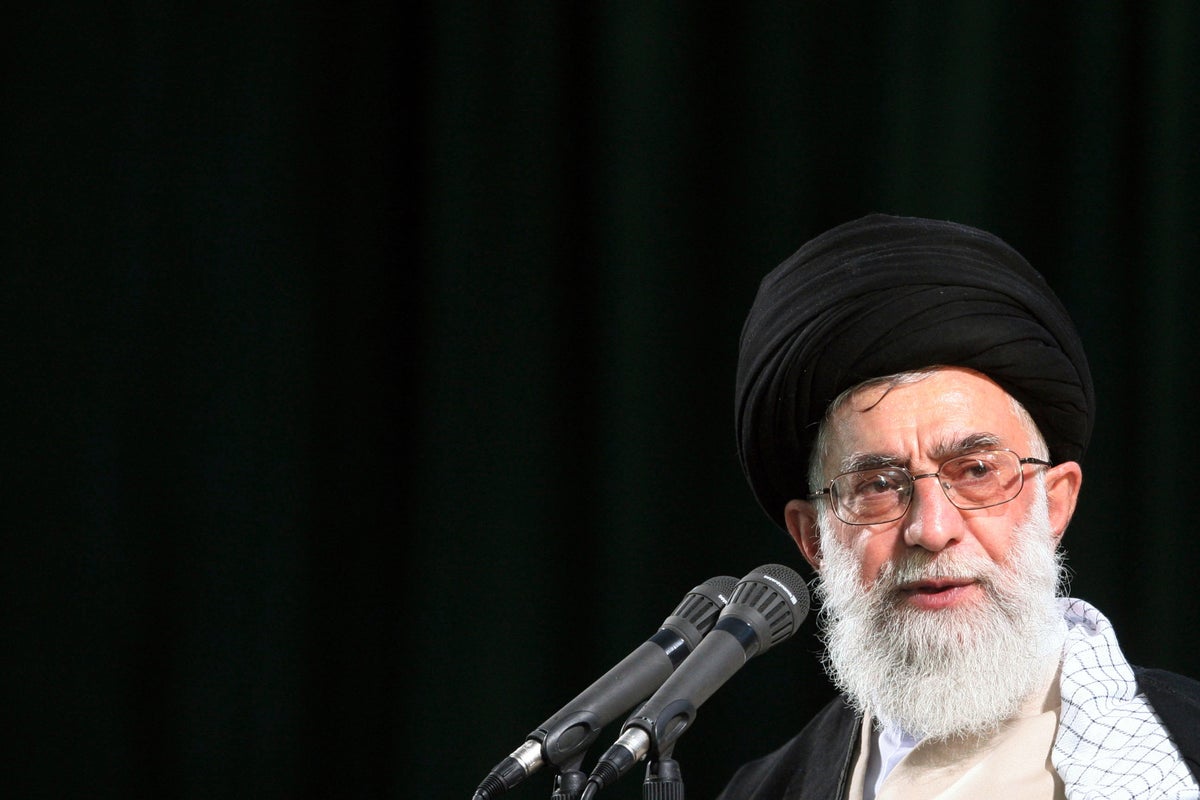
The headlines are screaming victory. There is a primal, reflexive urge to celebrate when a long-standing adversary is removed from the board in a flash of kinetic energy. The removal of Ali Khamenei in a joint U.S.-Israeli strike is being framed as the definitive "end of an era" and a total collapse of the Iranian "axis of resistance."
It is a comforting narrative. It is also dangerously naive.
Western intelligence circles and mainstream media outlets have a pathological obsession with the "Great Man" theory of history—the idea that if you cut off the head, the body simply withers. This is the first and most fatal misconception. In the Middle East, and specifically within the framework of the Islamic Republic, the "head" is not a person; it is a meticulously engineered bureaucracy of martyrdom. By treating a systemic ideological machine as a standard military target, we haven't ended a threat. We have just converted a predictable geopolitical actor into a volatile, multi-headed insurgent entity.
The Martyrdom Trap
To understand why this is a strategic catastrophe disguised as a win, you have to look at the internal mechanics of the Velayat-e Faqih. For forty years, the Iranian regime has built its entire legitimacy on the concept of resistance against the "Global Arrogance."
When you kill a leader who has spent decades preparing his population for exactly this moment, you aren't disrupting his plans. You are fulfilling his prophecy.
I have watched various administrations repeat this cycle for twenty years. We killed Soleimani in 2020 and expected the IRGC to crumble. Instead, the IRGC decentralized, deepened its grip on the black market economy, and accelerated its drone program. The logic of the "lazy consensus" says that removing Khamenei creates a power vacuum. The reality? It creates a power scramble among the most radicalized elements of the security state who no longer have an elder statesman to restrain their worst impulses.
Khamenei was a hardliner, yes, but he was a hardliner who understood the value of the long game. He was a known quantity. He operated within a specific set of red lines. By erasing those red lines with a Hellfire missile, the West has invited a period of "Maximum Unpredictability."
The Illusion of Internal Collapse
There is a popular fantasy that the Iranian people will see the smoke rising from the leadership complex and immediately rise up to install a secular democracy. This ignores the brutal physics of authoritarian survival.
- The Rally-Around-the-Flag Effect: Even a population tired of economic mismanagement tends to recoil when foreign powers drop bombs on their capital.
- The Pre-emptive Purge: The IRGC’s Intelligence Organization has had "Day Zero" plans in place for decades. The moment the news broke, every potential dissident leader and moderate voice within the country was likely detained or moved to a black site.
- The Succession of the Militant: The Assembly of Experts is not going to choose a reformer. They are going to choose the man who promises the most violent retribution.
The Logistics of Chaos
The "brutally honest" answer to the "People Also Ask" query regarding whether this makes the world safer is: No. Not even close.
When a central authority is decapitated, the command and control of its proxies—Hezbollah, the Houthis, and various militias in Iraq—becomes untethered. These groups have their own internal politics, their own local grievances, and now, a massive incentive to prove they are still relevant.
Imagine a scenario where a local Hezbollah commander, grieving and unmoored from Tehran’s strategic patience, decides to launch a saturation strike on a civilian center without clearing it with the "center." That is the world we just entered. We have traded a "cold war" with a centralized state for a "hot mess" with a dozen autonomous terror cells.
The Nuclear Acceleration
If you are an Iranian mid-level official watching your Supreme Leader get vaporized, what is your next logical step? It isn’t to negotiate a new nuclear deal. It is to sprint toward the only deterrent that ensures this never happens to you again.
The "counter-intuitive" truth here is that Khamenei was actually a brake on the nuclear weapons program. He issued fatwas against nuclear weapons—whether you believe they were sincere or tactical is irrelevant, they provided a framework for negotiation. Without that framework, the "Deep State" in Tehran—the guys who actually run the centrifuges—have every reason to go for a breakout.
The High Cost of the "Quick Fix"
Military strikes are the ultimate short-term "hit" for politicians looking to boost approval ratings. They are clean, they look great on thermal cameras, and they provide an immediate sense of justice. But statecraft is not a Marvel movie.
I’ve seen billions of dollars and thousands of lives wasted because we mistook tactical success for strategic victory. We did it in Iraq. We did it in Libya. We are doing it now.
The downside to my contrarian view is simple: it’s boring. It requires the hard, grinding work of containment, economic pressure, and supporting internal dissent over decades. It doesn't offer the dopamine hit of an explosion at 3:00 AM. But it is the only way to actually change the behavior of a nation-state without setting the entire region on fire.
Stop Asking "Who is Next?"
The question shouldn't be who replaces Khamenei. The question should be: why are we still using 20th-century assassination tactics to solve 21st-century ideological problems?
We are playing checkers against a culture that invented chess. We think we won because we took their King, not realizing that the board they are playing on has no King—only a series of self-replicating pawns that become more dangerous the further they move into our territory.
The US-Israeli strikes may have killed a man, but they have fed a monster. If you think the "evil" is gone, you haven't been paying attention to how these systems operate. The real danger isn't the dictator you know; it's the ten radicals you don't know who are currently fighting over his blood-stained robe.
Prepare for the blowback. It won’t be a neat, televised event. It will be a slow, grinding escalation that makes the previous forty years look like a period of relative stability.
The mission wasn't accomplished. The fuse was just lit.

.png?width=1200&auto=webp&trim=0%2C0%2C0%2C0)