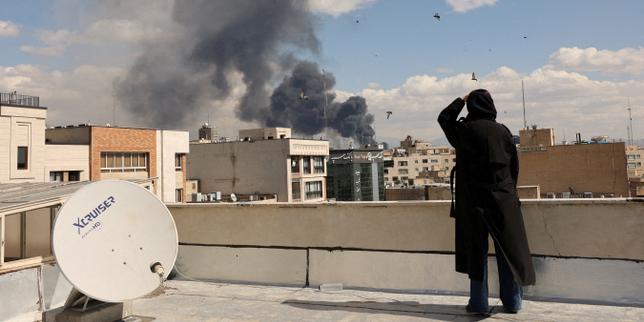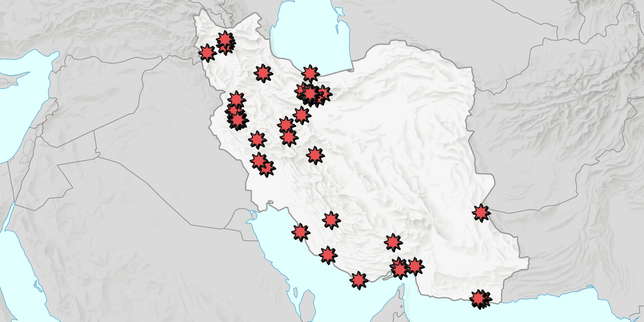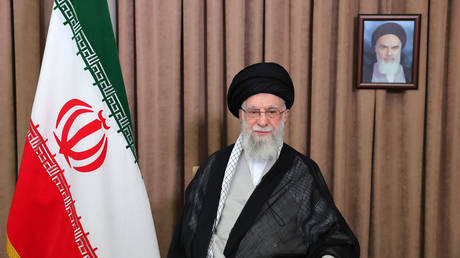
The era of Ali Khamenei is over. After months of simmering regional conflict, the long-standing supreme leader of Iran was killed on February 28, 2026, during a synchronized military operation executed by the United States and Israel. Iranian state media officially confirmed his death early on March 1, ending a frantic period of geopolitical uncertainty and signaling a volatile shift in the regional hierarchy. The strike, which devastated his Tehran compound, did not merely remove a singular head of state. It decapitated the central nervous system of a complex, multi-decade theocratic project.
For nearly four decades, Khamenei acted as the final arbiter of Iranian policy, shielding the state from both internal dissent and external pressure. His removal arrives at a moment of profound vulnerability for the Islamic Republic, which is now scrambling to manage a succession crisis while confronting a direct military campaign. The immediate aftermath has seen Tehran launch retaliatory strikes against Israel and various US-aligned installations across the Gulf, confirming that the death of a leader does not equate to the sudden cessation of the state’s security apparatus. Instead, it has triggered a desperate, reflexive defense.
The Mechanics of a Decapitation Strike
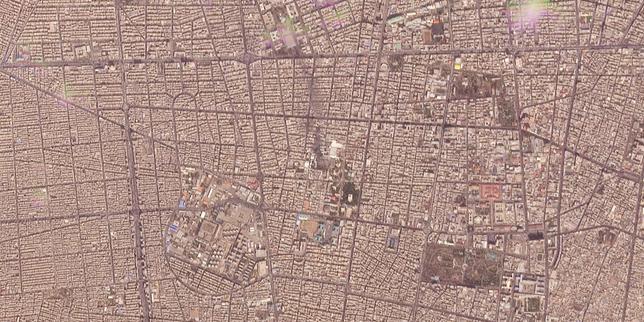
The operation against the supreme leader represents a departure from traditional intelligence-gathering and covert sabotage. Previous encounters between Iran and its adversaries were largely characterized by incremental escalations, cyber attacks, and proxy skirmishes. This strike was different. According to available reports, it relied on high-fidelity, real-time intelligence to target the leadership house during a precise window of vulnerability. Satellite imagery corroborates the intensity of the damage, which suggests the deployment of bunker-piercing munitions designed to penetrate the layered physical security of his residence.
This was not a standalone tactical event. It was the kinetic culmination of a broader strategy aimed at neutralizing the infrastructure of the Islamic Revolutionary Guard Corps. By targeting the supreme leader and senior commanders simultaneously, the United States and Israel sought to sever the chain of command, leaving the regime in a state of operational paralysis. The death of family members in the same strike further complicates the psychological toll on the remaining leadership, forcing a reaction that is often driven by anger rather than calculated strategy.
A Vacuum of Power and the Question of Succession
The Iranian constitution dictates that the Assembly of Experts should appoint a successor. However, those procedures assume a stable, peacetime environment. The current reality is far from stable. With military installations under duress and the capital vulnerable to continued strikes, the traditional deliberative process is nearly impossible to execute. Reports indicate that an interim leadership council has already been formed, involving the president and key judiciary figures. This is a survival mechanism, not a long-term plan.
The internal power struggle will likely pit the traditional clerical establishment against the more militant factions within the Revolutionary Guards. The latter has been the real engine of the state’s regional influence and may view the current chaos as an opportunity to cement total control. Any leader emerging from this crucible will face two immediate, intractable problems: the need to consolidate a fractured domestic support base and the requirement to respond to a foreign military coalition that has already proven its ability to breach the inner sanctum of the regime.
The Regional Security Domino Effect
The removal of the primary architect of the "Axis of Resistance" changes the strategic calculus for every regional actor. For decades, Iranian proxies in Lebanon, Iraq, and Yemen relied on a consistent flow of funding and strategic direction directly linked to Khamenei. With that pipeline disrupted, these groups are effectively on their own. Some may attempt to intensify their activities to prove their independence or relevance, while others might prioritize survival as their primary financial and political backing becomes uncertain.
Neighboring states in the Gulf, many of which host US military assets, have been forced into the direct line of fire. Their immediate concern is not merely the potential for Iranian retaliation, but the long-term risk of a destabilized, unpredictable state across the water. The security architecture of the region, built over decades of wary co-existence, has been effectively torn up. The path to a new equilibrium is obstructed by the ongoing military campaign, which US officials have indicated will continue until key objectives regarding the Iranian nuclear and missile programs are achieved.
The political and military institutions of the Islamic Republic were designed to withstand immense pressure, but they were not built for the sudden, violent erasure of their founder’s successor. The world is witnessing the rapid dismantling of a structure that held the Middle East in a rigid, hostile embrace. As the dust settles over the ruins in Tehran, the primary question is no longer about the survival of a specific man, but about what kind of entity will emerge from the wreckage of this war. The process of reordering has only just begun.