Salt crusts the bridge wing of a container vessel idling forty miles off the Omani coast. The air is thick, smelling of sulfur and baked steel, heavy enough to chew. Up here, high above the waterline, the silence is absolute. It is the wrong kind of silence. On a normal Tuesday, this stretch of water hums with the low, throaty vibration of a thousand massive engines. Radar screens look like anthills kicked open by a boot, smeared white with the signatures of crude carriers, liquefied natural gas tankers, and low-slung bulk freighters hauling grain to feed half the planet.
Today, the screen is practically empty. If you liked this article, you might want to read: this related article.
Six.
That is the entire tally. Just six vessels moving through the Strait of Hormuz where hundreds usually crowd the shipping lanes. A bottleneck that handles roughly a fifth of the world's petroleum supply has narrowed to a thread. For another angle on this story, check out the recent coverage from MarketWatch.
To understand what that means, you have to look past the macroeconomics and step into the wheelhouse with a captain who has three million barrels of crude sitting in the tanks beneath his feet, staring at a frozen insurance quote that just multiplied by five.
Meet Captain Aris Vance. He has spent thirty-four years smelling bunker fuel and watching dawn bleed over the Arabian Gulf. He has navigated through regional skirmishes, engine fires, and storms that made the ocean feel like a tin roof beaten by hammers. But he has never seen a choke point simply dry up like a creek bed in August.
"It is not about panic," Vance told me over a scratchy satellite link, his voice competing with the constant, low drone of a generator keeping the galley fridges cold. "Panic is loud. Panic makes you run. This isn't running. This is freezing. We are standing completely still because nobody wants to take the first step across a floor covered in broken glass."
The broken glass, in this case, is a compounding stack of risk. When maritime insurers look at the Strait of Hormuz right now, they do not see a shipping lane. They see a probability curve that looks like a cliff. Underwriters in London have quietly adjusted premiums to levels that make a voyage financially radioactive. Charterers are balking. Shipowners are ordering their masters to drop anchor in safe waters outside the Persian Gulf and wait. Just wait.
Wait for what? Nobody knows. And that is the terrifying part.
When six ships represent the daily pulse of a global artery, the body starts to starve before anyone in the capitals even notices the numbness in their fingers.
We treat global commerce like plumbing. We turn on the tap, and energy flows. We flip a switch, and power surges. We buy a gallon of gasoline or a plastic component molded in Mumbai, and we never think about the invisible conveyor belt that carried it across five thousand miles of open water.
That conveyor belt runs through narrow necks of geography. Hormuz is the most vital of them all—a twenty-one-mile-wide passage where the shipping lanes are barely two miles wide inbound and outbound. It is a maritime choke point engineered by nature, flanked by cliffs and shallow waters, making it brutally vulnerable to disruption.
Imagine a multi-lane highway connecting a massive farming region to a starving city. Now imagine that someone drops concrete barriers across four of the five lanes, leaving just a narrow goat path. Traffic doesn't just slow down. It clots. The trucks back up for miles, the food rots in the beds, and the price of a loaf of bread in the city triples by nightfall.
That is what six vessels means.
It means the global supply chain has not just suffered a delay; it has suffered an infarction.
Consider the downstream physics of this drop. Refineries in Asia and Europe are calibrated to run on specific grades of crude arriving on predictable delivery schedules. Tankers operate on tight financial margins where a single day of delay can erase the profit of an entire voyage. When tankers stall in the anchorage areas off Fujairah, the choreography falls apart.
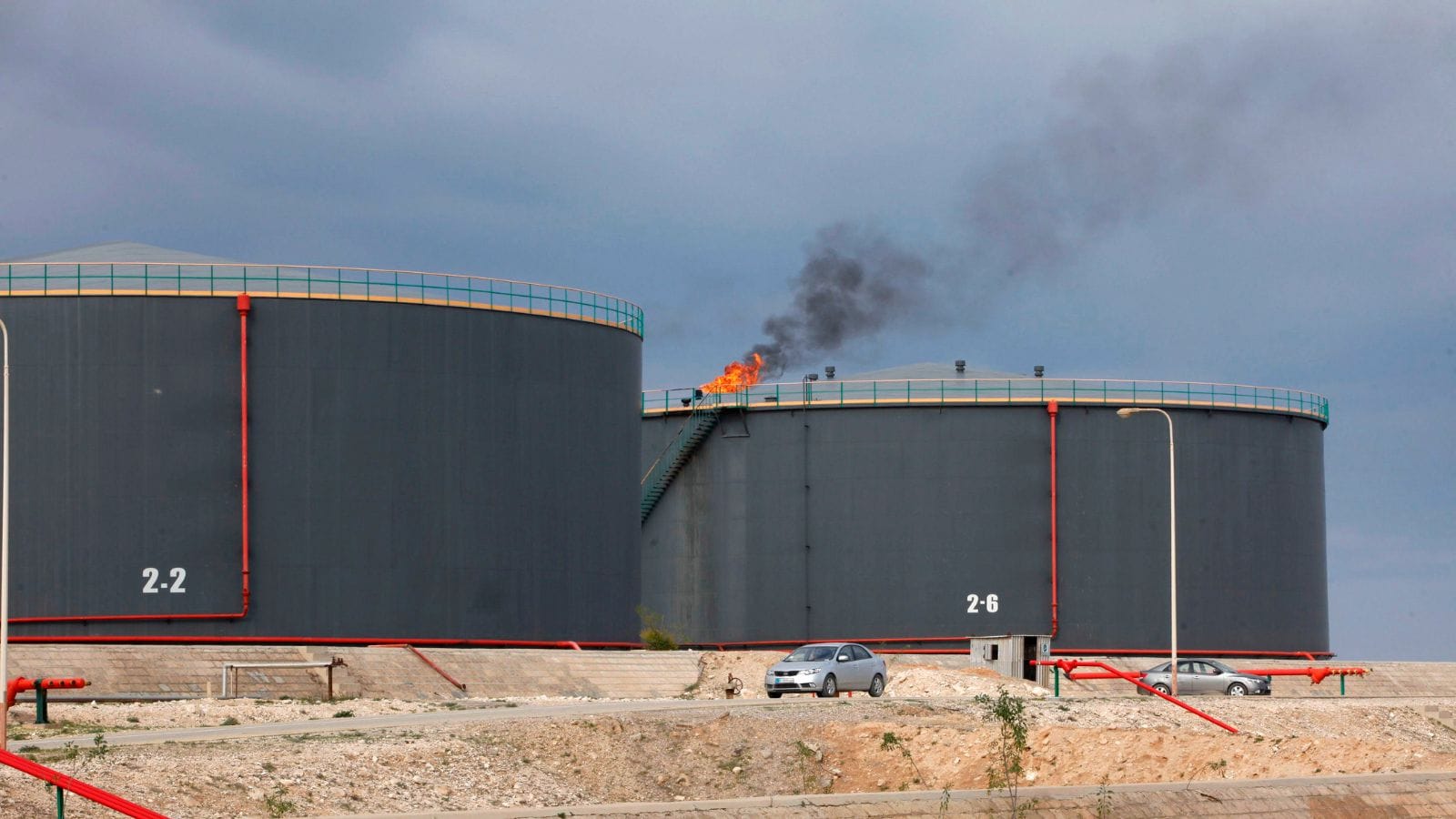
Storage tanks ashore fill to the brim. Wellheads, which cannot simply be turned off like a kitchen faucet without risking permanent geological damage, keep pumping oil into systems that have nowhere to put it. Producers face a grotesque dilemma: cap the wells and risk losing the reservoir pressure forever, or keep pumping oil into tankers that nobody is willing to insure for the transit.
It is a slow-motion collision between unstoppable industrial momentum and immovable geopolitical fear.
I remember standing on the pier in Rotterdam a decade ago, watching a behemoth container ship ease into its berth. The scale of modern logistics is almost impossible for the human brain to process. A single ship can carry enough cargo to stock the shelves of a medium-sized American city for a month. We have built a world that runs on absolute, clockwork precision. We expect bananas from Ecuador in February and microchips from Taiwan on demand.
That precision relies entirely on the assumption of open water.
When that assumption shatters, the hidden tax reveals itself. It does not show up immediately on the evening news with flashing red banners. It shows up in the quiet whispers of corporate boardrooms. It shows up when a chemical plant in Antwerp quietly tells its purchasing manager to look for alternative feedstocks at double the price. It shows up when freight forwarders start tacking on "risk surcharges" that cascade down every tier of manufacturing until the consumer is paying an extra dollar for a toothbrush, ten dollars for a tank of gas, and fifty dollars for a household appliance.
The drop to six vessels is not a statistic. It is a warning shot fired in slow motion.
Insurance executives do not make emotional decisions. When they hike rates into the stratosphere or refuse coverage outright, they are reading data points from military intelligence, satellite telemetry, and historical patterns that ordinary citizens never see. They are calculating the exact cost of a catastrophic loss. And right now, their math says the water is too hot to cross.
So what happens when the artery stays pinched?
The ships don't vanish. They reroute, where possible, though the alternatives are grim. Pipelines carry some volume overland, bypassing the water entirely, but they possess fixed capacities that cannot absorb the tidal wave of crude normally moving through the Gulf. The East-West pipeline across Saudi Arabia offers some relief, but it is a straw trying to do the work of a fire hose.
The rest of the fleet waits. They sit at anchor under the blistering sun, crews rotating through endless maintenance cycles, painting rust spots that form faster than the brushes can cover them, watching the horizon for a signal that never comes.
We have engineered a civilization that depends on the quiet, unglamorous labor of men and women thousands of miles away, steering floating cities through narrow ditches of salt water. We rarely think about them until the flow stops.
Right now, the flow has slowed to a drop.
Look out at the empty horizon of the Gulf. The water is still blue. The sun still sets in a blaze of orange and violet. But beneath the surface, the global engine is sputtering, choked by the sudden, terrifying realization that the world is much smaller, and much more fragile, than we ever dared to admit.