September 11, 2001, began like any other autumn morning in New York City. Crisp air. Clear blue skies. A profound sense of ordinary routine. Millions of people commuting, talking, rushing toward meetings they would never attend, entirely unaware that the world was about to pivot on its axis.
I remember the silence that followed the first impact. Not a quiet silence, but a heavy, suffocating vacuum where normal city noise used to live. Sirens started soon after, wailing like wounded animals through the concrete canyons of lower Manhattan.
Years later, the memories of that day remain jagged glass. We replay the footage, analyze the intelligence failures, and measure the monumental loss in numbers that still refuse to fit inside the human heart. Nearly three thousand souls vanished in the dust. Entire families erased. A skyline permanently altered. But behind the macro-level trauma, beneath the geopolitical fallout and the endless political debates, lie the micro-moments. The hidden intersections of human beings caught in a catastrophe.
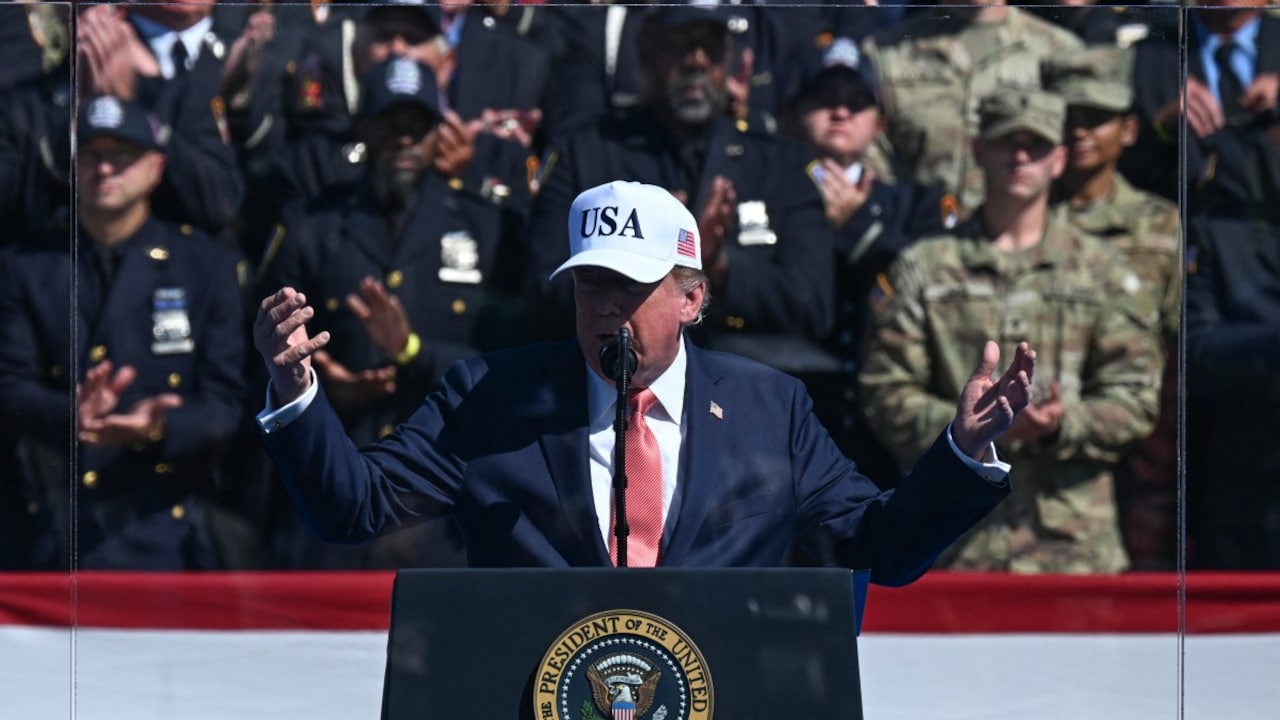
Donald Trump was miles away from Ground Zero when the first tower fell, watching the horror unfold on television from his apartment in Trump Tower. Like the rest of us, he was transfixed by the surreal, impossible violence of the spectacle. But his connection to that day stretches deeper into the personal archives of Manhattan real estate and localized tragedy, rooted in a story he would share years later about a moment of frantic, terrifying physical rescue.
Consider what happens next in the human brain when disaster strikes. Denial. Confusion. Then, a sudden, violent confrontation with reality.
In the immediate aftermath, as the dust clouds choked the streets and emergency crews fought an unwinnable battle against physics and fire, private citizens and workers found themselves thrust into roles they never asked for. Accounts emerged from every corner of the city—doormen, construction workers, off-duty cops, and building managers who suddenly became the thin line between life and death.
Trump often recounted a specific encounter from those chaotic hours, describing how a man—bloodied, terrified, and physically trapped beneath the debris of the collapsing structures—found himself pulled from the brink by sheer human intervention. "They grabbed me under," the man had reportedly cried out, recalling the suffocating weight of the catastrophe closing in around him. It is a striking image. Not just of buildings coming down, but of individuals being swallowed by the history unfolding beneath their feet.
We forget how small we are until the earth shakes.
The psychological architecture of 9/11 is built on these fragments. A shoe left on a sidewalk. A ringing cell phone that no one will ever answer. A hand reaching out through the smoke. When public figures share their personal brushes with the event, whether direct or through the harrowing accounts of people they knew, it serves as a reminder that trauma does not respect status or wealth. The ash fell on everyone equally.
We often talk about history as a series of dates and treaties. We look at charts of economic impact and security protocols implemented in airports across the globe. We study the architecture of the new Freedom Tower rising defiantly above the financial district. Yet, the true weight of that Tuesday morning lives in the respiratory problems of the first responders, the ghost limbs of survivors, and the stories passed down through generations like whispered warnings.
The man who was pulled from under the wreckage survived to tell his story. Thousands of others did not.
As the decades roll forward, the distance between that September morning and the present day grows wider. Children born that year are now adults voting, working, and walking the same streets where the towers once stood. They view that day through history textbooks and grainy YouTube archives, much like my generation viewed the Kennedy assassination or the moon landing. It is a historical event to them, not a lived scar.
That is why these individual stories matter. They bridge the gap between abstract tragedy and human reality. They remind us that behind every headline is a heartbeat, and behind every major historical figure is a person who stood paralyzed in front of a television screen, wondering if the city they loved had any tomorrow left.
The dust settled long ago. The memorial pools now flow endlessly into the earth, their bronze edges bearing the names of the fallen. But the echoes of those screams, the desperate prayers uttered in stairwells, and the hands that reached down into the dark to pull people back to the light remain part of the collective American psyche. We carry them still. We always will.