The frost does not care about diplomacy. It does not read communiqués, nor does it pause for the signing of a treaty. In the freezing basements of Kharkiv, where the breath of sleeping children turns to immediate ice on woolen blankets, the war is measured not in territory lost or gained, but in degrees.
Cold is an executioner that makes no sound.
When the announcement dropped from the ether—a sudden, unvarnished proposition of an energy ceasefire brokered across oceans—it landed in Kyiv with the heavy thud of an unexpected anvil. Donald Trump, ever the master of the dramatic pivot, had sprung a deal designed to freeze the freezing. Power plants. Substations. The glowing gridlines that keep a nation breathing through the dark. Stop bombing the lights, the logic went, and let the people thaw.
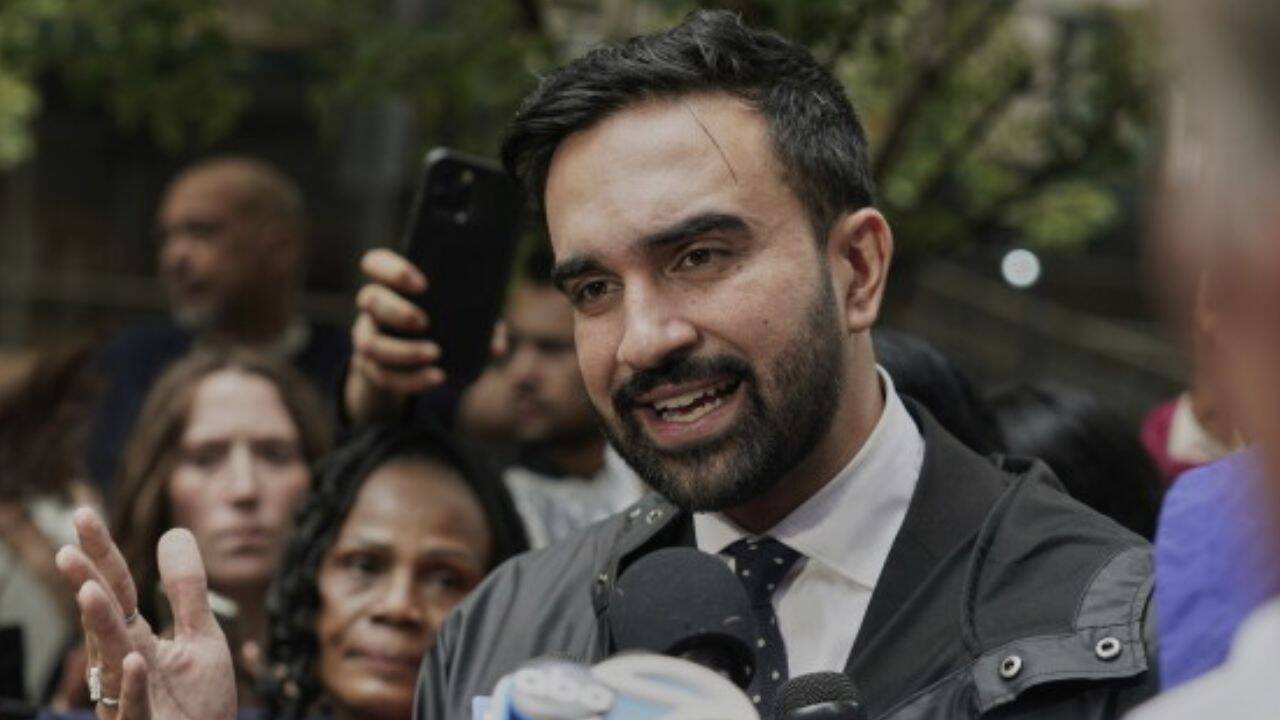
Volodymyr Zelenskyy stood before the world, his face etched with the familiar, bone-deep exhaustion of a man who has not slept a full night in years. He set a condition. Not a refusal, but a demand for boundaries written in reality, not rhetoric. Because when you have watched your transformers turn to slag and your heating mains burst into geysers of boiling steam amid falling snow, you learn a bitter truth.
Trust is a luxury for peacetime. Survival requires receipts.
Consider what it feels like to live inside a target.
Imagine standing in a kitchen at dusk, watching the analog clock on the wall. At six o'clock, the refrigerator hums. At six-one, a distant rumble rolls across the frozen steppe. By six-three, the room is pitch black, save for the flickering amber glow of a paraffin candle on the table. The water stops running twenty minutes later as the electric pumps fail three blocks away.
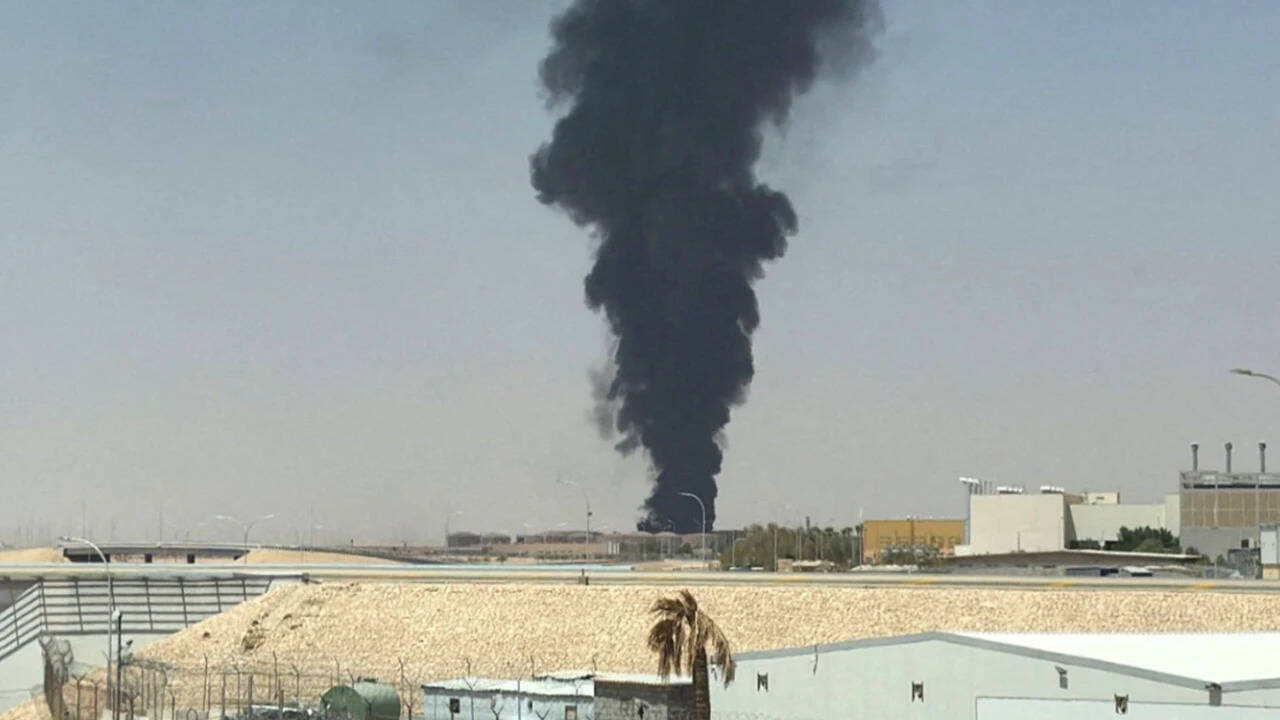
This is not a political abstraction. This is daily life for millions of Ukrainians. It is an existence orchestrated by design, where the infrastructure of civilization—water, heat, light—is treated as ammunition. When an adversary targets the electric grid as winter approaches, they are waging a war of attrition against the nervous system of an entire population. They are betting that darkness will break the spirit long before steel breaks the lines.
So when an energy ceasefire is proposed, the immediate reaction in the bunkers and command posts is not relief. It is suspicion
The Dark Room Where the Lights Go Out First
news
Note: Category chosen as news due to the geopolitical nature of the subject.
The frost in Kyiv smells like burning coal and wet wool.
When the power fails, the silence does not arrive gently. It drops like a velvet curtain, heavy and absolute, swallowing the hum of refrigerators, the glow of desktop screens, and the fragile rhythm of a city trying to pretend it is still functioning. In an apartment on the seventh floor of a concrete block built during the Soviet collapse, a woman named Oksana lights a single yellow candle. She does not curse. She is past cursing. She simply adjusts her wool scarf tighter around her neck, checks the charge on her heavy-duty power bank, and waits for the drone engines to start humming outside.
This is the winter landscape of a nation holding its breath. And thousands of miles away, in the manicured warmth of a Florida estate, another kind of theater is underway.
Donald Trump wants a deal. He has always wanted a deal. To him, international affairs are not a marathon of ideological attrition; they are real estate negotiations writ large, where the cameras are rolling, the clock is ticking, and both sides need to be locked in a room until a signature hits paper. The concept was simple on paper, broadcast across cable news tickers like an unexpected score in the fourth quarter: an energy ceasefire. Stop hitting the transformers. Stop plunging millions into freezing darkness. Freeze the lines across the grid.
On paper, it sounds like mercy. In reality, power grids are not light switches. They are living, bleeding nervous systems.
Volodymyr Zelenskyy stood before the world and offered his condition. It was not a flat rejection, nor was it a grateful embrace. It was the calculated response of a man who knows that a temporary bandage on a severed artery only hides the bleeding until the patient quietly passes away in the dark. A ceasefire on energy, he noted, requires teeth. It requires verification. It requires an answer to a terrifying question: What happens when the drones launch anyway under the cover of a moonless night, and the architect of the strike simply shrugs and blames a rogue unit?
We have forgotten what it means to freeze for a political outcome. We sit in our climate-controlled rooms, scrolling through headlines about billions in aid and high-stakes diplomacy, treating geopolitics like a spectator sport. But consider what happens when a hospital operating theater loses its last backup generator mid-surgery. Consider the schoolroom where children wear ski pants and mittens while trying to master long division by the pale, gray light of a window during a sleet storm.
Trump’s spring-loaded proposal treated the energy infrastructure of Ukraine as a tactical bargaining chip, something to be traded away in a grand bargain to lower the temperature of a boiling conflict. But for the people plugged into those wires, the grid is not a negotiating point. It is life itself.
The historical pattern here is old and cynical. Whenever a conflict drags on past the attention span of global markets, external pressures mount. The fatigue of the West is a quiet, creeping thing. It arrives disguised as pragmatism. Let’s freeze the lines, the diplomats whisper in hushed corridors in Washington and Brussels. Let’s stop the bleeding here, lock in the territorial gains, and let the winter do the rest.
Yet, freezing a conflict without addressing its root cause is like patching a rusted boiler with duct tape and turning up the heat. The pressure builds. The metal stretches. And eventually, the explosion is catastrophic.
Zelenskyy’s hesitation is rooted in the bitter memory of past broken promises. Budapest memorandums. Minsk agreements. Signatures on parchment that dissolved into smoke the moment an armored column crossed a border. When you have watched your cities turn to ash because international guarantees proved to be as durable as morning mist, you do not leap at a new deal just because it comes gift-wrapped with a charismatic press conference.
You ask for the fine print. You look for the trapdoor.
To understand the mechanics of this proposed energy truce, one must understand how modern war is fought against civilians. It is no longer just about taking territory with infantry rifles; it is about systemic exhaustion. By targeting substations, gas distribution hubs, and transformer yards, the strategy is to break the social contract between the citizen and the state. If the state cannot keep the lights on, the water running, or the heat pumping, the population eventually breaks. Desperation becomes a political weapon.
Trump’s deal sought to short-circuit this brutal calculus. By declaring an abrupt moratorium on strikes against energy assets, the incoming administration hoped to create an immediate de-escalation ramp. It was a classic disruption play, designed to force both sides off their entrenched scripts and into a dialogue.
But negotiations conducted via social media posts and sudden diplomatic ambushes carry a heavy hidden cost. They create a dizzying whiplash for leaders fighting for their physical survival.
Imagine standing on the deck of a ship taking on water, while someone on a passing yacht shouts advice through a megaphone about how you should just stop bailing and start negotiating with the storm.
The condition Zelenskyy set was a masterclass in defensive pragmatism. He did not say no. Saying no outright is a diplomatic sin that hands your adversaries the moral high ground. Instead, he raised the price of admission so high that it forced the proponents of the deal to prove they were serious. If there is an energy ceasefire, how do we monitor it? Who watches the substations? What is the penalty for violation?
These are not the questions of a man trying to prolong a war. These are the questions of a man who has buried too many civilians to trust a handshake in an empty room.
The irony of the situation is stark. The very people proposing these rapid-fire resolutions are often safely insulated from the consequences of their failure. They return to heated mansions and secure compounds. Meanwhile, back in Kyiv, Oksana hears the faint, distant thrum of an air raid siren echoing down an empty street.
The candle burns lower, pooling wax onto a saucer that has seen too many nights like this.
We look for simple endings to complex tragedies because human brains are wired to crave narrative resolution. We want the villain to be defeated, the hero to triumph, and the credits to roll by midnight. But history does not work that way. History is messy, jagged, and stubbornly unfinished.
When the dust settles on this latest diplomatic maneuver, the fundamental reality remains unchanged. No decree from a podium across the ocean can restore a destroyed turbine or resurrect a shattered power network overnight. Peace cannot be spray-painted onto a conflict by executive fiat. It must be forged in the slow, agonizing work of trust, accountability, and justice.
Until then, the candles stay lit. The generators hum in the courtyards. And in the dark rooms of a besieged country, the people wait to see if the world remembers that survival is not a negotiation.