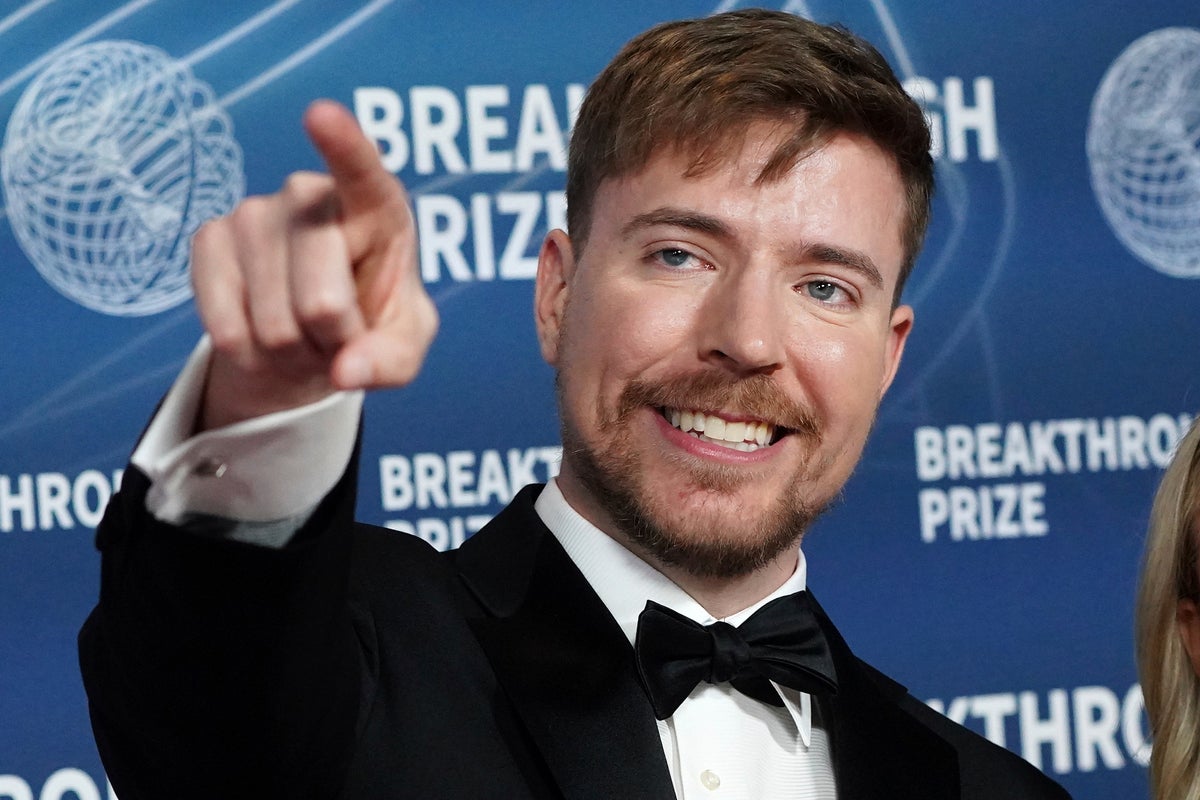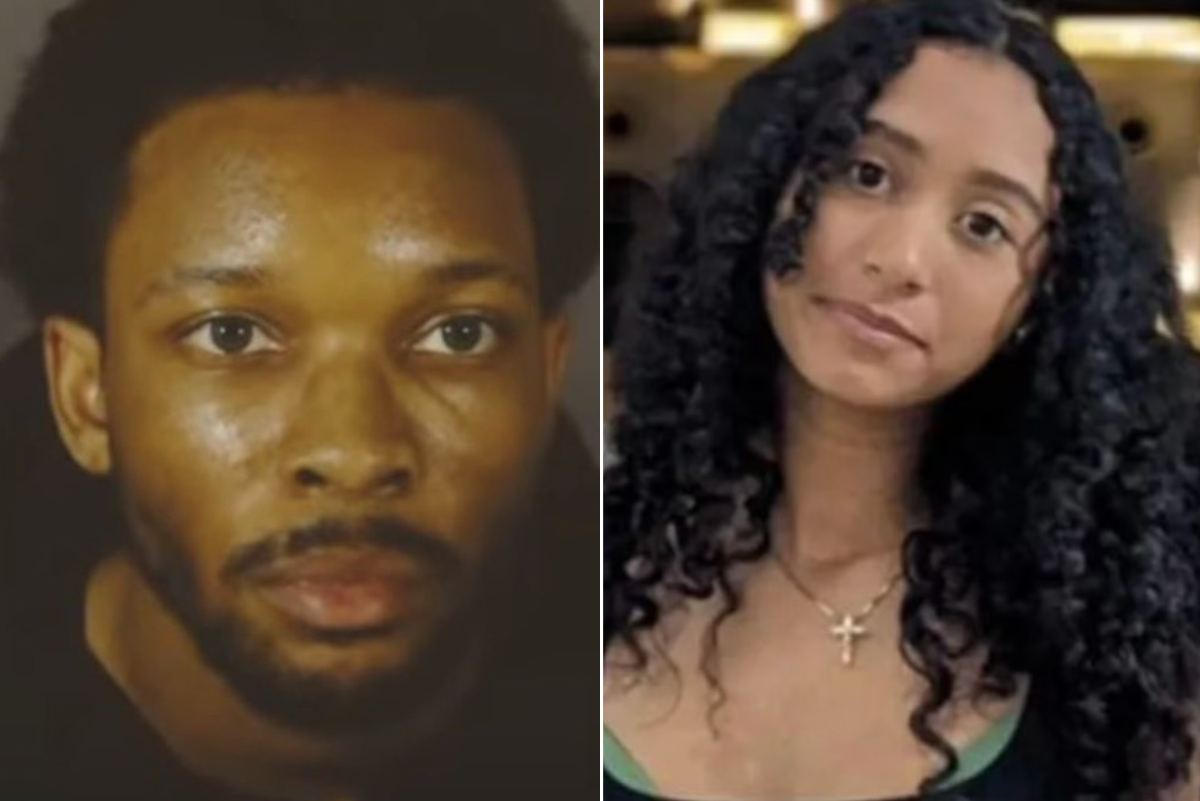
The modern internet operates on a cycle of high-speed friction where the line between a viral hit and a digital assassination attempt has entirely evaporated. Recently, a wave of social media posts and algorithmic "news" scrapers began circulating a story claiming that the breakout indie-pop sensation David Burke, known globally as D4vd, had been charged with the killing of a teenager. The reports were visceral. They cited specific causes of death, including penetrating wounds, and suggested a legal downfall for an artist currently at the peak of his career.
There is one glaring problem with the narrative. It is a complete fabrication.
D4vd is not in custody. He has not been charged with murder. The "teen" mentioned in these reports does not exist in any public police record tied to the artist. This wasn't just a simple case of mistaken identity or a poorly researched blog post; it was a coordinated display of how easily the digital infrastructure of the music industry can be weaponized to destroy a reputation before a single fact-check is performed.
The Anatomy of a Digital Execution
To understand how a lie of this magnitude gains traction, you have to look at the plumbing of the 2026 media environment. We are no longer living in an era where news breaks through established editorial desks. Instead, it leaks through TikTok comments, X (formerly Twitter) threads, and AI-generated content farms that prioritize velocity over veracity.
The rumor surrounding D4vd followed a predictable, lethal pattern. It began with "breaking news" graphics designed to mimic reputable outlets. These graphics utilized the artist's real name and professional photography to lend a veneer of legitimacy. Because the artist has a massive, young following, the engagement was instantaneous. Fear drives clicks. Outrage drives shares. Within hours, the search engines were flooded with queries about "D4vd charges" and "D4vd crime scene," creating a feedback loop where the high search volume itself became "proof" that something was happening.
This is the illusory truth effect in action. When people see a claim repeated across multiple platforms, their brains begin to process the repetition as a marker of truth. For an artist whose brand is built on vulnerability and emotional resonance, a violent allegation acts as a professional toxin.
The Cost of the Click
When an investigative lens is applied to these claims, the house of cards collapses immediately. There are no court filings in the jurisdictions where the artist resides or tours that reflect these charges. There are no statements from the District Attorney’s office. There are no arrest records.
However, the damage to a career doesn't require a conviction; it only requires a cloud of doubt. In the music industry, brand partnerships and festival bookings are often tied to "morality clauses." These legal triggers allow corporations to distance themselves from talent at the mere hint of controversy. By the time a retraction is issued, the tour might be canceled, the sponsors are gone, and the artist is left trying to prove a negative.
We are seeing a rise in reputational swatting. This is the practice of manufacturing heinous allegations against public figures to see how much damage the digital swarm can do before the truth catches up. In the case of D4vd, the choice of a violent crime was intentional. It creates a cognitive dissonance that is hard for fans to reconcile, forcing them to choose between their loyalty to the music and their moral compass.
Why the Algorithm Favors the Lie
The systems we use to consume information are not built to be ethical; they are built to be sticky. An algorithm sees a spike in interest regarding a celebrity and a homicide. It doesn't check the police blotter. It simply pushes that content to more people because that is what is generating the most "signals."
- Velocity: The speed at which the hoax spread bypassed traditional media gatekeepers.
- Engagement: Users arguing about the validity of the story in the comments only told the algorithm that the content was "important."
- Anonymity: The original sources of the rumor are often burner accounts or automated bots that disappear as soon as the fire starts.
This creates a situation where a teenager in his bedroom can effectively launch a global smear campaign against a multi-platinum artist for the price of a few minutes of "content creation."
The Industry’s Silence is a Failure
The music industry has been notoriously slow to react to the era of deepfakes and coordinated disinformation. Labels often take a "wait and see" approach, hoping a story will blow over rather than confronting it head-on with legal force. This passivity is a relic of a pre-social media age. In 2026, silence is interpreted as an admission of guilt.
For D4vd, the reality is a stark contrast to the headlines. He continues to produce music that defines a generation’s inner turmoil, yet he now has to navigate a reality where a search for his name brings up a phantom crime. This isn't just about one artist. It is about the fact that our digital record is becoming a permanent ledger of lies.
The "penetrating wounds" mentioned in the competitor's headline were a descriptive flourish designed to add a layer of gruesome "realism" to a fictional event. It is a classic tabloid tactic: the more specific the detail, the more likely the reader is to believe it. If you say someone was arrested, people ask for proof. If you say someone died of "penetrating wounds," people stop asking questions and start mourning or condemning.
Protecting the Narrative
Artists are now being forced to hire digital forensic teams alongside their publicists. It is no longer enough to manage a PR crisis; you have to preemptively monitor the dark web and fringe social platforms to see where the next coordinated attack is being planned.
The defense against this isn't just better PR. It is a fundamental shift in how the public consumes "news." We have reached a point where the source of a claim is more important than the claim itself. If a story about a major criminal charge isn't backed by a primary source—a police report, a mugshot, a court docket—it must be treated as radioactive.
The D4vd hoax serves as a case study in the vulnerability of fame. It shows that no matter how much success an artist achieves, they are only one viral lie away from a total character assassination. The "why" behind the topic is simple: attention is the most valuable currency on earth, and for some, the quickest way to get it is to set someone else's house on fire.
The focus must remain on the evidence. In this instance, the evidence of a crime is non-existent. The evidence of a coordinated disinformation campaign, however, is everywhere. We must stop rewarding the arsonists with our attention.
Demand the docket number. Look for the official statement. Reject the algorithmically generated outrage. If you cannot find the primary source, you are not reading news; you are participating in a hit job.