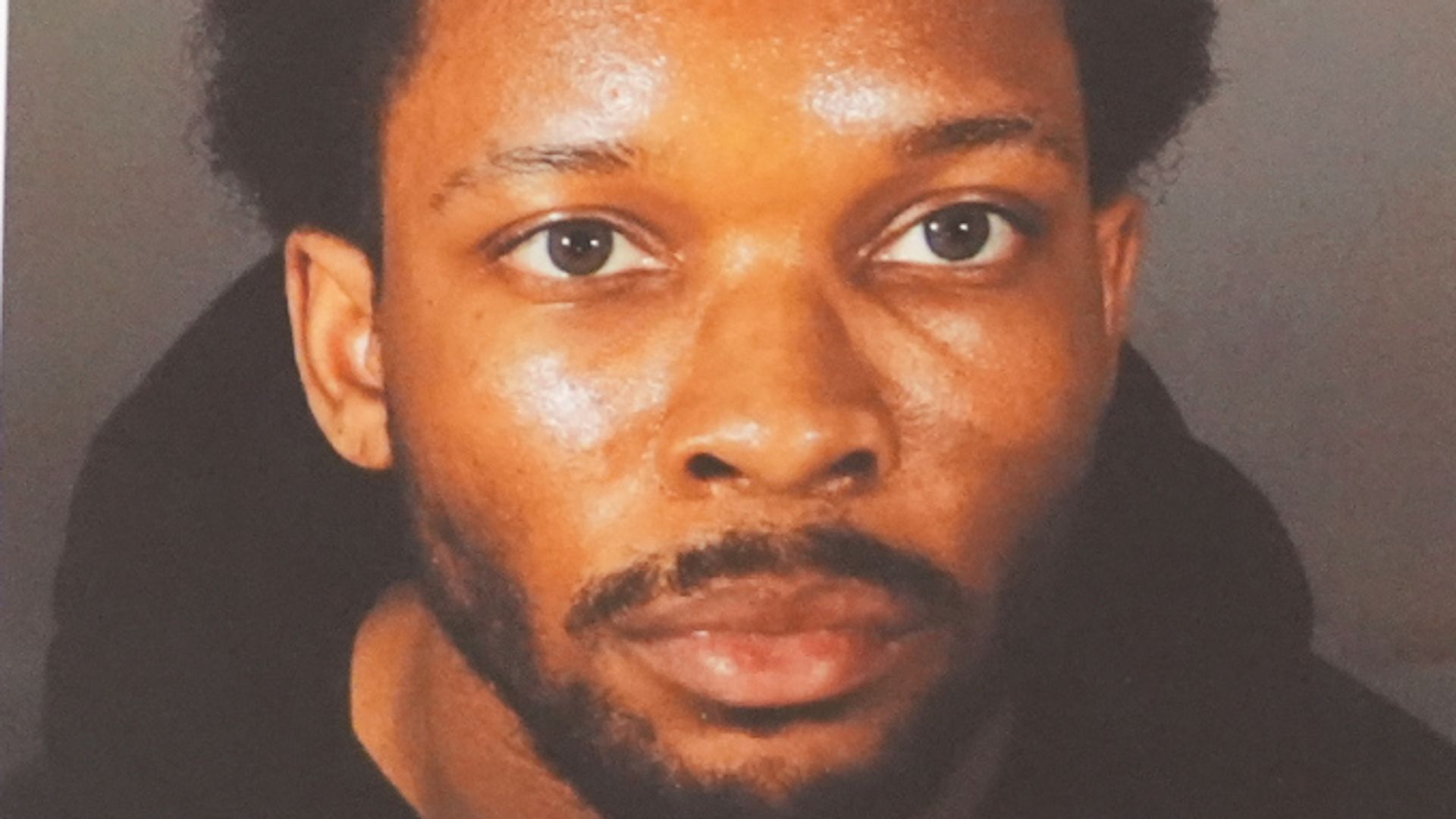
Stop reading the headlines. Start looking at the strings.
The digital ecosystem is currently vibrating over a story that simply isn't true. "Singer D4vd pleads not guilty to murder." It’s a punchy headline. It’s got a young star, a tragic victim, and the cold clinical air of a courtroom. It’s also complete fiction.
D4vd—the "Romantic Homicide" singer who built a career on moody, lo-fi bedroom pop—is not in jail. He didn't kill anyone. He hasn't entered a plea. Yet, the internet is treating this "news" like a verified data point. This isn't just a case of "fake news" or a simple misunderstanding. It’s a systemic failure of the modern information consumer to distinguish between a generated narrative and a physical event.
If you clicked on that headline expecting a true crime breakdown, you aren't just wrong; you're the product. You are being farmed for your outrage, and your inability to verify basic facts is the fertilizer.
The Anatomy of a Digital Assassination
The "lazy consensus" among casual observers is that these stories are harmless pranks or easily debunked glitches. That perspective is dangerously naive. When a false narrative about a public figure—especially one as young as David Burke (D4vd)—hits the algorithmic slipstream, it creates a "truth debt" that the artist may never fully pay off.
Look at how this functions. An AI-generated or low-effort "news" site scrapes a trending name, pairs it with a high-gravity keyword like "murder" or "arrest," and unleashes it. The goal isn't to inform. The goal is to trigger the "Share" reflex before the "Think" reflex can kick in.
I’ve watched PR teams burn through seven-figure retainers trying to scrub a single false sentence from the first page of Google. It’s like trying to vacuum a desert. By the time the correction arrives, the lie has already been integrated into the user’s subconscious. To the average scroller, D4vd is now "that guy who might have done something bad," regardless of the facts.
Why Your Fact-Checking Strategy is Broken
People love to ask, "How do I know what's real?" The problem is the question itself. You’re looking for a badge or a blue checkmark to do the heavy lifting for you. You want a shortcut to the truth.
In the current media environment, a "verified" source is often just a legacy brand that’s been hollowed out and sold to a private equity firm that uses AI to churn out 5,000 articles a day. If you trust a masthead without checking the underlying court records, you are a liability to yourself.
- The Primary Source Rule: If the article says a plea was entered, where is the court docket? Where is the case number? If an entertainment "news" site can't cite a specific jurisdiction, it’s fan fiction.
- The Temporal Disconnect: Notice the dates. Often, these "breaking news" stories use images from two years ago or reference events that have no anchor in the current calendar.
- The Engagement Trap: If a story seems designed to make you feel immediate, burning anger, it was likely engineered in a lab to do exactly that. Real news is often boring, procedural, and full of legalese. False news is cinematic.
The Industry’s Dirty Secret
Record labels and management firms are partially to blame for this vulnerability. We have moved into an era where "any engagement is good engagement." I have seen marketing departments quietly ignore false rumors because the controversy spiked the artist's Spotify monthly listeners.
It’s a deal with the devil. You get a 20% bump in streams today, but you lose the brand's long-term integrity. When you allow the line between an artist's persona (like D4vd’s dark, cinematic lyrics) and their actual life to blur for the sake of "hype," you shouldn't be surprised when the public can't tell the difference between a song title and a police report.
We are living through a massive de-skilling of the human bullshit detector. We’ve outsourced our discernment to algorithms that prioritize "time on page" over "accuracy of content."
The Logic of the Lie
Imagine a scenario where a generative model is tasked with creating "trending celebrity news." It doesn't know D4vd is a real person with a real life. It only knows that the word "D4vd" often appears near the word "Homicide" (his hit song). The model makes a probabilistic leap: D4vd + Homicide = Murder News.
The AI isn't "lying" because it doesn't know what truth is. It’s just predicting the next likely word. When humans consume this without a filter, we are effectively letting a glorified calculator dictate our reality.
The D4vd murder story isn't a "glitch." It’s the logical conclusion of an industry that values speed over substance. We have built a world where a teenager in his bedroom can be turned into a criminal by a line of code, and millions of people will nod along because they’re too tired to open a second tab and check the facts.
This Isn't About One Singer
This is about the total collapse of the shared objective reality. If we can’t agree that a person who is currently touring or posting on Instagram hasn't been arrested for murder, we have no foundation for any other discussion.
Stop asking if a story is "fake." Start asking why you were so willing to believe it in the first place. You are being played by an architecture of misinformation that thrives on your intellectual laziness. The "news" didn't fail you; you failed the basic requirements of being a conscious participant in a digital society.
Close the tab. Delete the app. Wake up.