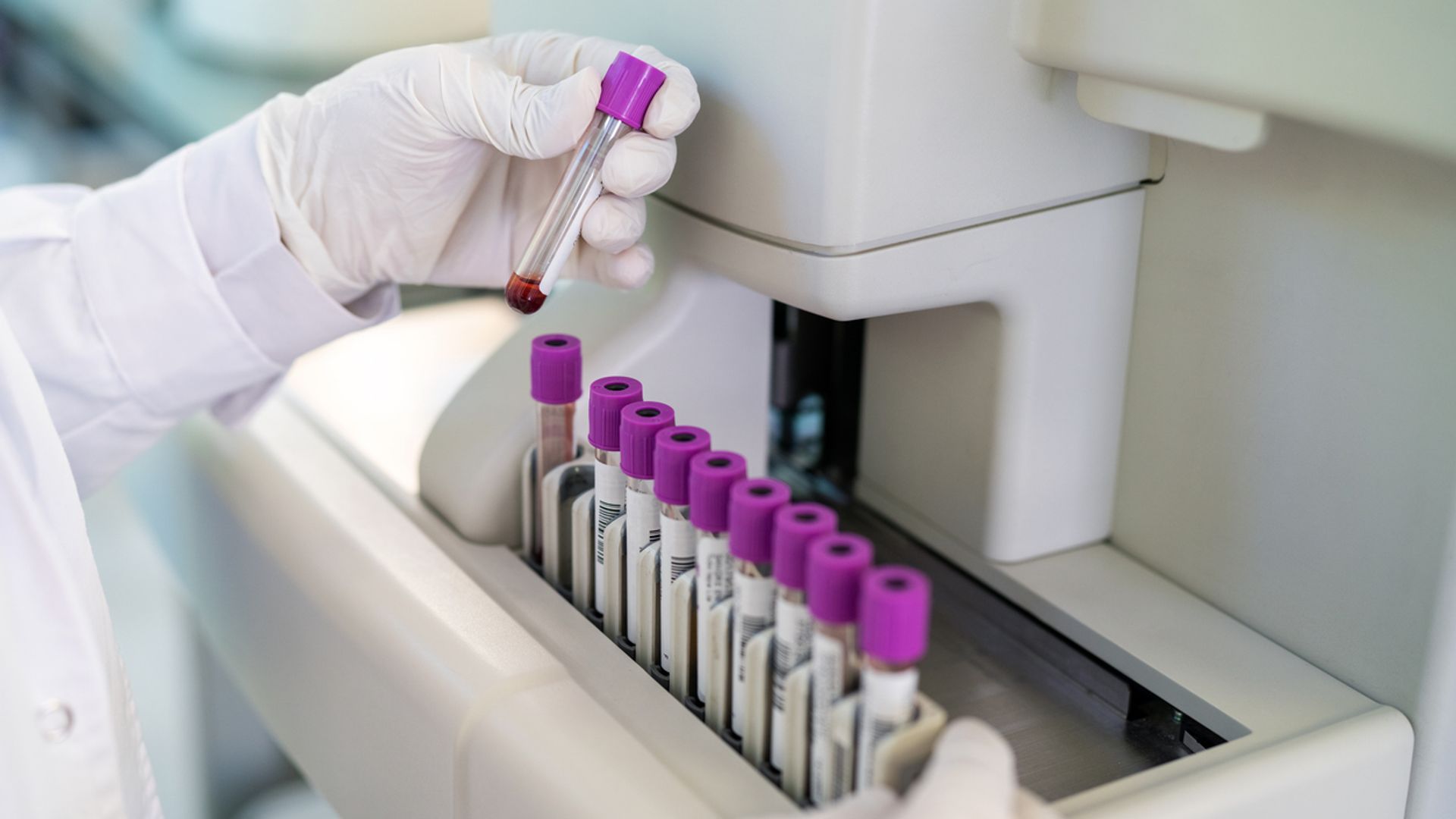
Medical journalists love a miracle cure, or barring that, a miracle warning system. The latest collective obsession centers on blood tests capable of detecting phosphorylated tau (p-tau) proteins and amyloid-beta biomarkers decades before cognitive decline sets in. The mainstream media frame is predictable: we are on the cusp of erasing Alzheimer's through the magic of early detection.
They are selling a fantasy. Recently making news in this space: The Epidemiology of Bundibugyo Ebola: An Analytical Breakdown of Containment Friction.
In the rush to celebrate this diagnostic milestone, the medical establishment is ignoring a glaring, uncomfortable reality. Detecting a disease twenty years before you can treat it is not a medical victory. It is a psychological death sentence wrapped in a billing code.
The Biomarker Trap: When Pathology Does Not Equal Destiny
The fundamental flaw in the current narrative is the conflation of a biomarker with a destiny. The lazy consensus assumes that if a blood test detects elevated levels of p-tau217, clinical Alzheimer's is inevitable. Additional information regarding the matter are detailed by Healthline.
Data tells a vastly more complicated story.
Large-scale autopsy studies have consistently revealed a striking anomaly: a significant percentage of elderly individuals die with brains packed with amyloid plaques and neurofibrillary tangles, yet they never showed a single symptom of dementia while alive. The landmark Nun Study, led by Dr. David Snowdon, famously demonstrated that some participants possessed advanced Alzheimer's pathology in their brains but maintained pristine cognitive function until death.
By screening millions of healthy 40- and 50-year-olds with hyper-sensitive blood assays, we are not curing a disease. We are creating a massive new class of asymptomatic patients. We are labeling people as "pre-Alzheimer's" based on cellular debris that their brains might successfully manage for the rest of their natural lives.
The Treatment Vacuum
Proponents of widespread blood screening argue that early detection allows for early intervention. This would be a compelling argument if we possessed an intervention that actually worked.
We do not.
The current crop of FDA-approved monoclonal antibodies, such as lecanemab and donanemab, do exactly what they were designed to do: they clear amyloid from the brain. What they do not do is halt the relentless progression of cognitive decline in a meaningful way. In clinical trials, these drugs slowed cognitive worsening by mere fractions of a point on standard assessment scales over 18 months. To the average family, that difference is practically invisible.
Worse, these drugs carry severe risks. Amyloid-related imaging abnormalities (ARIA), which manifest as brain swelling or microhemorrhages, occur in a shocking percentage of patients.
Imagine a scenario where a routine blood test at age 45 reveals elevated p-tau. Under pressure from panicked patients, physicians prescribe these high-risk, exorbitantly expensive infusions. The patient spends decades enduring regular brain scans to monitor for cerebral bleeding, all to treat a biomarker for a disease they might never have clinically developed.
We are threatening to bankrupt healthcare systems to deploy toxic treatments against an unmanifested symptom.
The Financial and Psychological Carnage
I have watched healthcare systems and private equity funds dump hundreds of millions of dollars into early-detection infrastructure. They smell a goldmine. If you can convince every middle-aged person with occasional forgetfulness that they need a $500 blood test, the revenue loop is infinite.
But look at the human cost of this diagnostic hubris.
What happens to a 42-year-old executive who tests positive?
- Insurance discrimination: Good luck securing long-term care insurance or affordable life insurance with a "pre-clinical Alzheimer's" flag on your electronic health record.
- Career stagnation: The psychological weight alone is enough to derail a career. Every misplaced set of car keys transforms from a mundane mistake into a terrifying sign of impending doom.
- Anxiety-induced cognitive decline: Chronic cortisol elevation from decades of existential dread actively damages the hippocampus—the very brain region responsible for memory.
We are weaponizing diagnostics to induce collective trauma, all while offering zero therapeutic recourse.
Dismantling the Premise: What People Also Ask
The public discourse surrounding these tests is warped by flawed assumptions. Let us dismantle the most common questions driving this trend.
Can a blood test accurately predict if I will get Alzheimer's?
No. It can accurately predict if you have specific proteins circulating in your plasma. It cannot predict cognitive resilience, vascular health, or the myriad of epigenetic factors that determine whether those proteins will ever translate into clinical dementia. A positive test is a probability, not a prophecy.
Should I get screened if I have a family history?
Absolutely not, unless you are participating in a strictly controlled clinical trial. Knowing you have elevated biomarkers in your 40s changes nothing about your preventative strategy, but it completely ruins your peace of mind.
Doesn't early detection help us lifestyle-modify our way out of the disease?
This is the most disingenuous argument used by clinicians. You do not need a $500 blood test to tell you to exercise, manage your cardiovascular health, sleep eight hours a night, and eat a Mediterranean diet. If your motivation to live healthily depends on a terrifying blood test result, your behavioral changes are unlikely to stick anyway.
The Hard Truth of Brain Aging
The uncomfortable reality that the biotech industry refuses to acknowledge is that Alzheimer's is rarely a solo actor. True late-onset dementia is almost always a mixed pathology. It is a combination of amyloid deposition, tau tangles, microvascular disease, Lewy body pathology, and TDP-43 proteinopathy.
A blood test that isolates one or two proteins gives a false sense of precision. It creates an illusion of control over an incredibly chaotic, multifaceted process of biological aging.
Am I saying we should abandon biomarker research? Of course not. In clinical trial design, these blood tests are invaluable for ensuring that researchers enroll patients who actually have the pathology the drug targets. They are exceptional tools for science.
They are disastrous tools for wellness.
Stop Hunting for Biological Ghosts
Until medicine delivers a disease-modifying therapy that halts neurodegeneration without causing brain bleeding, widespread asymptomatic screening is an act of medical irresponsibility.
We must reject the corporate healthcare push to turn every healthy adult into a patient-in-waiting. Walk away from the premature testing hype. Protect your brain by living well, and protect your mind by refusing to let an ambiguous blood test steal your present peace for a theoretical future.
/i.s3.glbimg.com/v1/AUTH_5dfbcf92c1a84b20a5da5024d398ff2f/internal_photos/bs/2022/7/q/6M5eaAQBGuPVBPz0xKuQ/whatsapp-image-2022-12-24-at-17.52.03.jpeg)