The music in a nightclub is designed to make you forget the outside world. It bass-thumps through your chest, vibrating the glass in your hand and the floor beneath your shoes. On that specific Tuesday night in Santo Domingo, the air inside the venue was thick with sweat, cheap cologne, and the electric energy of hundreds of young people escaping the Dominican heat. They were packed shoulder to shoulder. Breathing room was a luxury no one could afford, but nobody cared. They were young, the night was loud, and the walls seemed to pulse with life.
Then came the sound that didn't belong to the playlist.
It wasn't a sudden explosion. It was a low, groaning complaint of overstressed steel and fracturing concrete. A collective shiver ran through the crowd just seconds before the floor simply ceased to exist.
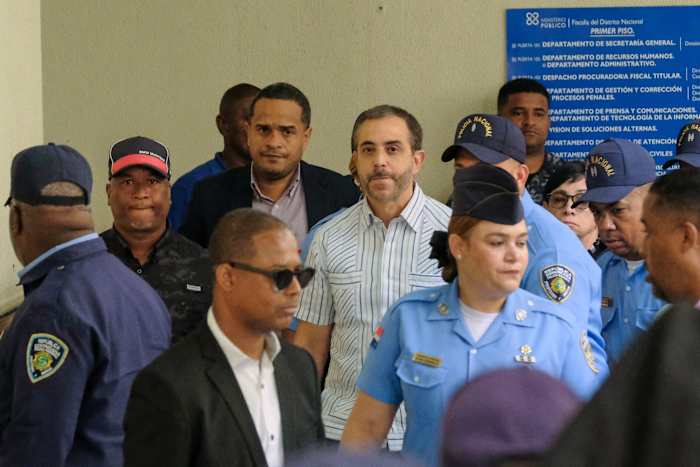
In a fraction of an agonizing moment, 236 lives vanished into a chasm of dust, twisted rebar, and suffocating darkness. The aftermath left a city paralyzed by grief and a nation demanding to know how a place meant for celebration could become a mass grave. Now, after months of bureaucratic delays and public outrage, the owners of the club are finally stepping into a courtroom to face the music of a different kind.
A trial of this magnitude is rarely just about the people sitting at the defense table. It is an autopsy of structural greed.
The Weight of Numbers
To understand how a tragedy like this happens, look at the mathematics of negligence. Every building has a breaking point, a maximum weight capacity calculated by engineers to ensure stability under the worst possible conditions.
Think of a structural load like a simple shelf. If you design a shelf to hold twenty books, it might hold thirty for a little while if the wood is strong. But if you pile a hundred heavy textbooks onto it, the wood will bow. The brackets will pull away from the drywall. Eventually, gravity wins.
In the case of the Santo Domingo club, prosecutors allege that the venue was operating at nearly triple its legal capacity. Imagine thousands of pounds of moving, jumping weight concentrated on a floor designed for a fraction of that load. It was not a freak accident. It was a predictable mathematical certainty.
The defense will likely argue that the building had hidden structural flaws dating back to its construction decades ago. They will point fingers at inspectors, at previous tenants, at the city itself. But the core of the prosecution’s argument rests on a simpler, more devastating truth: the owners knew the limits, and they chose to ignore them for the sake of a higher gate count.
Voices from the Rubble
Statistics can numb the mind. The number 236 is so large that it risks becoming an abstract data point in a legal brief. To truly grasp the stakes of the upcoming trial, you have to look at the fragments of lives left behind.
Consider Maria, a hypothetical composite of the many mothers who spent days waiting outside the triage tents. She didn't care about structural load capacities or municipal zoning laws. She knew only that her nineteen-year-old son had put on his favorite shirt, asked for gas money, and promised to be home by 2:00 AM.
When the floor collapsed, it didn't just destroy a building. It shattered the trajectory of hundreds of families. The survivors carry scars that are not always visible. Some cannot enter a crowded room without their heart rate spiking. Others find the sound of loud music triggering a state of sheer panic.
The courtroom will become a repository for these stories. For the next several months, judges and lawyers will dissect the anatomy of that night. They will review blueprints, listen to audio recordings of the collapse, and watch chaotic cell phone footage filmed by terrified patrons. The goal is to translate immense human suffering into a clear legal verdict.
The Infrastructure of Impunity
This trial matters because it challenges a culture of corner-cutting that extends far beyond the borders of a single Caribbean nightlife district. In many rapidly growing urban areas, safety regulations are treated as suggestions rather than law. Building codes exist on paper, but enforcement is often lax, bypassed by handshakes or under-the-table transactions.
When a tragedy occurs, the immediate reaction is often a flurry of temporary closures and public promises of reform. But as the news cycle moves on, the urgency fades. The club owners likely counted on this collective forgetfulness. They expected the anger to dissipate, buried under the next wave of headlines.
They miscalculated. The families of the victims formed a tight-knit coalition, refusing to let the memory of their children be swept away. They showed up at city council meetings. They held vigils outside the courthouse. They turned their grief into an unyielding political force that made it impossible for the justice system to look the other way.
A Legal Line in the Sand
The defense attorneys face an uphill battle. They will try to shift the blame to the event promoters or argue that the collapse was caused by an unprecedented seismic tremor that went unrecorded by sensors. They will attempt to muddy the waters with complex engineering jargon to create reasonable doubt.
But the prosecution’s case is built on a foundation of operational decisions. Who signed off on the ticket sales? Who ordered the security guards to keep letting people through the doors even when the venue was visibly bursting at the seams? Who ignored the warning signs, including reports from staff that the floor felt unstable during previous events?
An entry ticket to a venue is an implicit contract. The patron pays money, and in return, the business provides entertainment in a environment that will not kill them. The Santo Domingo trial is fundamentally about the breach of that sacred trust.
The eyes of the region are on this courtroom. The verdict will send a powerful message to property owners, event coordinators, and city inspectors across the continent. It will determine whether human life is valued above profit margins, or if the cost of doing business includes the occasional catastrophe.
The trial begins on Monday. The defendants will sit in air-conditioned comfort, flanked by expensive legal counsel, while outside on the steps, the families of the 236 will stand under the hot sun, holding photographs of the faces they will never see again.