The lazy consensus of modern commentary insists that a royal transition is all about the crown, the pageantry, and the pomp. When headlines trumpet the arrival of a new sovereign, the breathless narrative focuses on dynastic continuity and glittering inheritance. It is a fairy-tale framework designed for tourist brochures, and it completely misses the brutal reality of institutional survival.
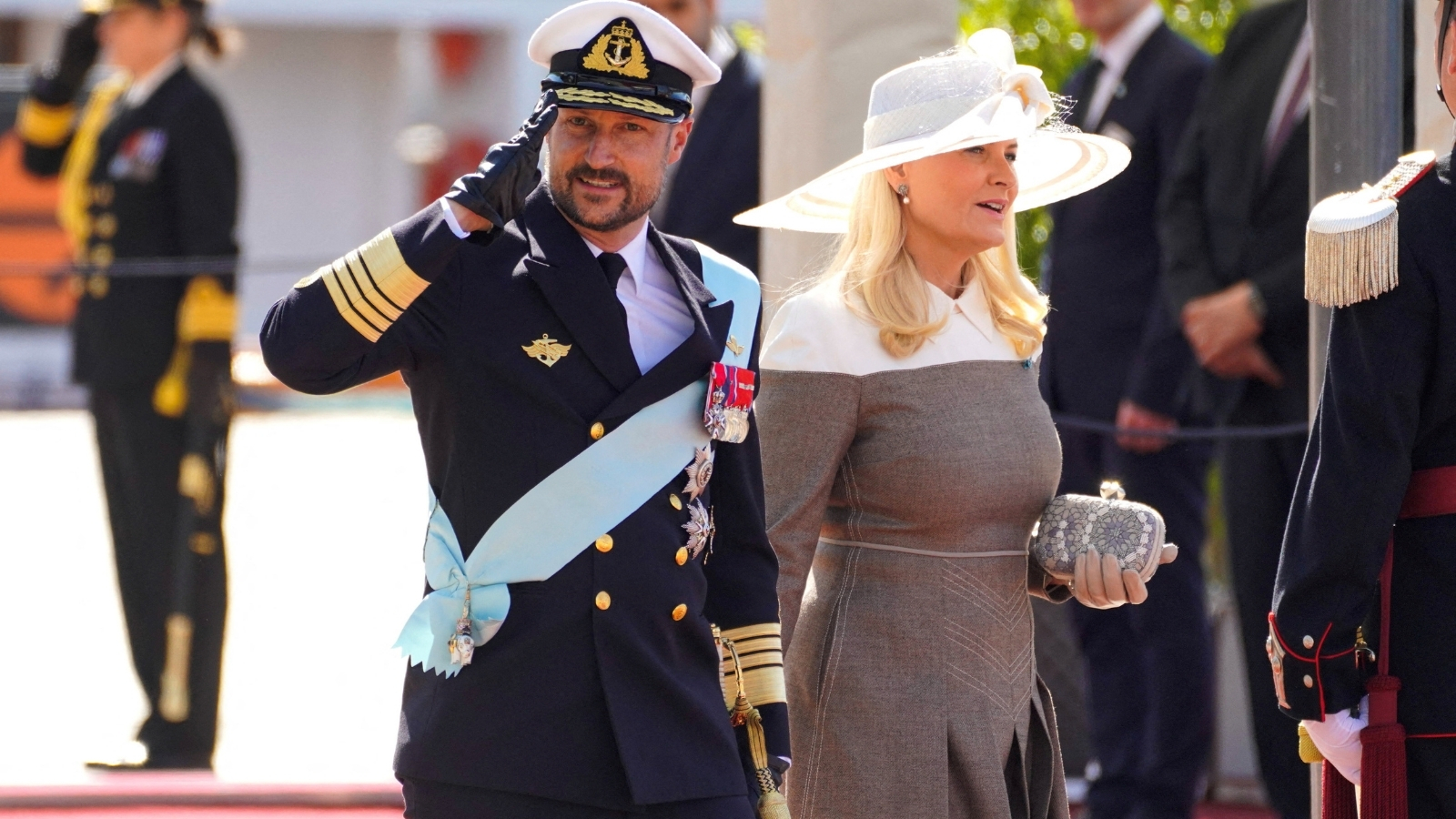
Look at Oslo right now. Following the death of King Harald V at eighty-nine, Crown Prince Haakon has automatically assumed the throne, stepping into history as King Haakon VIII. Pundits are busy typing out hagiographies about bloodlines, Olympic sailors turned monarchs, and centuries of tradition. They are asking who the new man is and what symbols he inherits.
They are asking the wrong questions entirely.
The real story of Haakon’s accession is not about heritage. It is about a high-stakes salvage operation. Haakon does not inherit a stable, glowing institution; he inherits a brand crisis.
The Fallacy of the Untouchable Crown
We love to treat European monarchies as museum pieces kept behind velvet ropes, immune to the gravity of modern PR disasters. This is a delusion. When public support dips to historic lows—prompted not by abstract ideological republicanism, but by very real, messy domestic scandals involving stepchildren and awkward past associations—the crown stops being a unifying symbol and starts becoming a liability.
To understand Haakon VIII, you have to strip away the royal titles and look at him as a crisis manager taking over a distressed asset. I have watched corporate boards panic when accumulated personal liabilities of key stakeholders threaten enterprise value. The Norwegian royal house faces an identical equation. Sympathy for a beloved, aging patriarch like Harald masked deep fractures that are now fully exposed to the cold light of day.
The lazy narrative assumes Haakon can simply slide into his father's shoes and project folksy charm. But Harald’s genius was timing and a specific post-war generation’s goodwill. Haakon does not have that luxury. He faces an electorate that separates personal affection for an individual from institutional tolerance for family dysfunction.
Why the Absence of a Coronation Matters
Notice what is missing from the transition: a crown placed on a head in a grand cathedral. Norway abandoned coronations over a century ago, opting instead for constitutional succession and a parliamentary oath. Commentators treat this as a quaint historical footnote.
It is actually the key to the entire survival mechanism.
Without the mystical theater of a coronation, the Norwegian monarchy strips itself down to raw utility. It survives only as long as the public calculates that its symbolic cost-benefit ratio beats out a traditional republic. Imagine a scenario where a modern European public decides that the baggage of an un-elected family outweighs their diplomatic utility. The margin for error is razor-thin. Haakon cannot hide behind divine right; he has to negotiate his legitimacy transaction by transaction, audience by audience.
This is why his immediate pivot to managing "the flock"—his public balancing act of supporting his immediate family while acknowledging public outrage—is a masterclass in modern institutional triage. He isn't acting like a medieval king. He is acting like a chief executive executing a damage containment strategy.
The Uncomfortable Prescription for Modern Monarchy
If Haakon VIII wants to secure his reign, he needs to drop the 20th-century playbook of dignified silence. Silence used to look like strength when media was filtered through state broadcasters and morning papers. Today, silence looks like complicity or incompetence.
The unvarnished truth is that hereditary institutions cannot survive modern transparency by pretending the mud isn't sticking. They have to over-index on radical accountability. When your family becomes a daily fixture in the tabloid crime and controversy columns, royal protocol is useless. You need ruthless internal discipline.
Haakon has spent decades preparing to be a regent, hiding out in surfing waves when the pressure got too high. The waves are gone now. He is sitting squarely in the impact zone.
Stop looking at the lineage. Start watching the balance sheet of public trust.