Outrage is cheap. Analysis takes work.
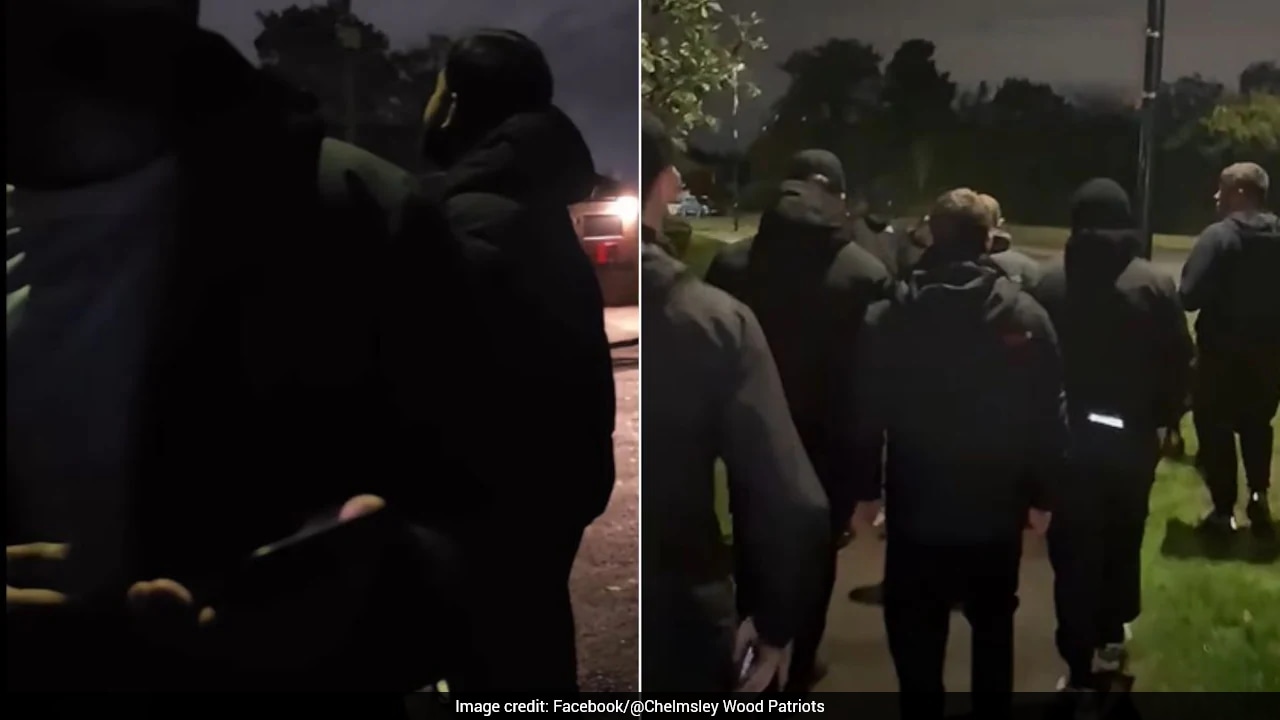
When a self-appointed patrol group stops Indian students in a UK park, the standard playbook kicks in immediately. Headlines call it vigilantism. Commentators denounce overreach. Community leaders demand crackdowns. Everyone lines up to repeat the exact same moral script, feeling virtuous while accomplishing precisely nothing.
That lazy consensus is a trap.
Condemning a self-appointed patrol group in a UK park feels like taking a stand against intimidation and profiling. Yet treating the patrol itself as the root problem mistakes a symptom for the disease. When informal groups start policing public parks and challenging international students, they are reacting to real or perceived friction around public order, antisocial behavior, neighborhood change, or civic trust—and filling a vacuum left by overstretched local institutions.
If you only yell at the patrol, you leave the vacuum untouched. Worse, you hand cheap credibility to people whose methods are unaccountable, arbitrary, and ripe for abuse.
The Lazy Consensus Around Park Vigilantism
Most coverage of incidents involving a self-appointed patrol group and Indian students follows a predictable arc. First comes the shock of citizens questioning young people in a public space. Next comes the predictable condemnation of unauthorized policing. Finally comes a call for stronger police presence or firmer statements from universities and local councils.
None of that gets to the bottom of how civic order actually breaks down in shared urban spaces.
To understand what happens in a British park, you have to separate two distinct concepts that commentators routinely mash together: statutory policing and informal social control. Statutory policing belongs to sworn officers operating under legal authority, clear thresholds for stop-and-search, and formal accountability mechanisms. Informal social control is how everyday communities regulate behavior through norms, presence, and conversation—ranging from dog walkers calling out littering to neighborhood watches sharing information.
Problems erupt when informal social control mutates into unmandated enforcement. A citizen has every right to ask someone to turn down loud music, clean up trash, or respect a quiet space. A citizen does not have a roving mandate to interrogate strangers, demand explanations for their presence, or act as an unofficial border or conduct officer in a public park.
The standard article stops at moral outrage because moral outrage requires zero institutional knowledge. It is far easier to say "vigilantes are bad" than to ask why residents felt compelled to organize in the first place, why police visibility has thinned out in many neighborhoods, or how misunderstandings between long-term locals and newly arrived students turn routine park use into a flashpoint.
What People Actually Ask When This Happens
When stories break about Indian students being stopped in a UK park, search behavior reveals what people are genuinely trying to figure out. Most of the questions behind those searches are framed around the wrong axis.
Are self-appointed patrol groups legal in the UK?
People ask this because they want a tidy legal verdict—a green light or a red flag. The honest answer is that legality depends on what the group actually does, not what it calls itself.
Anyone in the UK can walk in a public park, observe their surroundings, or speak to another person. There is no law against standing near a bench or noticing anti-social behavior. The line is crossed when actions shade into harassment, intimidation, unlawful detention, obstruction, or racially aggravated public order offenses. Calling yourself a "patrol" gives you zero extra legal power. A high-visibility vest does not confer constable status.
Focusing solely on whether a group is "legal" misses the practical danger. Even behavior that stops short of a criminal conviction can feel intimidating when an unfamiliar group confronts students outnumber-style or questions their right to be in a public space. Legality is the floor of acceptable conduct, not the ceiling of good community relations.
Why are Indian students being targeted in public spaces?
This question assumes a clean, single motive—usually pure malice or targeted hostility—and stops looking once that label is applied. Sometimes bias or prejudice is a factor. Ignoring that would be dishonest. Yet reducing every clash in a park to a simple script of "hostile locals versus innocent students" often blinds people to everyday friction points that spark conflict across many demographics.
Imagine a scenario where a group of twenty-something students gathers in a neighborhood park on a sunny afternoon to play music, cook or eat takeaway food, and celebrate an exam or a festival. To the students, it is normal socializing—the exact kind of outdoor gathering common back home or on a busy campus. To an older resident living across the road who associates the park with quiet dog walks and evening calm, sudden noise, crowds, or litter feels like a loss of peace. Add strained local budgets, reduced municipal maintenance, or rumors circulating online about crime and housing pressure, and a minor annoyance can curdle into confrontation.
That does not excuse aggressive questioning or profiling. It explains why friction is predictable in fast-changing neighborhoods where expectations are never explicitly negotiated.
Should international students carry ID or avoid parks after dark?
Here is the brutal truth: telling students to shrink their lives to avoid friction is a counsel of surrender.
Public parks in British cities exist for everyone—residents, families, joggers, and international students paying substantial tuition and living costs to be there. Telling Indian students to alter their routines or treat every stranger with fear treats the victims of overreach as if they were the problem.
At the same time, practical awareness is not cowardice. Knowing your basic rights during a street encounter, staying with friends rather than walking alone late at night in unfamiliar areas, and walking away from heated arguments rather than escalating them are sensible habits in any major city. The mistake is confusing smart personal situational awareness with accepting second-class status in public space.
Lessons From the Trenches of Campus and City Friction
I have spent years watching universities, housing operators, and city agencies scramble after preventable community blowups. I have seen institutions pour money into glossy "welcome packs" and reactive press statements while ignoring the unglamorous day-to-day realities of how students actually live off campus.
Too many universities treat international students as a revenue engine up to enrollment and a PR headache only when trouble hits the news. Once students move out of purpose-built halls into private rentals and shared houses, institutional support often thins out fast. Meanwhile, local councils—operating under tight financial constraints—struggle to maintain parks, fund youth and community outreach, or keep visible neighborhood policing at levels residents expect.
Research in urban sociology and criminology, including classic work on "collective efficacy" by Robert Sampson and colleagues and studies on informal social control by criminologists like Albert Reiss and Wesley Skogan, points to a consistent pattern. Neighborhoods stay orderly and cohesive when formal institutions are credible and responsive and residents build trust across lines of age, background, and tenure. When trust is thin and formal presence feels absent, fear and rumor fill the gap. Informal groups step forward, sometimes with good intentions, sometimes with grievances, and almost always without proper training or restraint.
You cannot fix that dynamic with a stern press release.
The Uncomfortable Trade-Offs of My Own Argument
Pushing back against simplistic outrage carries real risks, and I will not pretend otherwise.
First, nuance can sound like rationalization to people who were directly rattled or intimidated in a park. If a student feels cornered or singled out because of their nationality or accent, explaining "neighborhood friction" or "council budget pressures" can feel cold—or worse, like excusing bad behavior. It is not an excuse. Accountability for intimidation belongs squarely with the people doing the intimidating.
Second, talking candidly about noise, crowding, or cultural differences around public space can be weaponized by bad-faith actors who want to paint international students as disruptive. That is a genuine hazard. Still, sweeping real friction under the rug does not protect students; it leaves them blindsided by local norms and unprepared when tensions flare.
Third, calling for stronger, fairer institutional involvement runs into a hard reality: British local authorities and police forces are stretched thin. Wishing for endless patrol officers or instant municipal fixes is not a strategy. Any realistic solution has to work within tight budgets and competing priorities.
What Actually Works Instead of Performative Outrage
If universities, city leaders, student unions, and residents actually want fewer confrontations in public parks, they need practical mechanics—not slogans.
- Stop treating public space norms as mind-reading exercises. Universities and local councils should run clear, plain-spoken briefings for incoming students—Indian and otherwise—covering UK norms around parks, noise, waste, alcohol, littering, and how to handle confrontation calmly. Do it as practical survival savvy, not scolding.
- Give neighborhood wardens and park teams real presence without vigilante cosplay. Visible, accountable park rangers, community support officers, or university community ambassadors do far more to calm tensions than anonymous online arguing or self-appointed street patrols.
- Build direct channels between residents' associations and student bodies. Most neighborhood disputes start with zero direct contact between long-term residents and transient student populations. Regular joint walkabouts and clear reporting lines turn strangers into neighbors before grievances fester.
- Enforce clear boundaries against intimidation. Police and councils must draw a sharp line between peaceful civic concern and aggressive questioning or harassment of park users. When citizens cross into intimidation, treat it seriously and consistently.
- Push back on lazy media framing. Readers and editors alike should demand specifics: What happened? Who initiated contact? Was there prior friction in that park? What did local authorities do before and after?
Outrage makes people feel like they did something. Real fixes require boring coordination, honest conversations about shared spaces, and zero tolerance for people playing cop in a public park.


