Blaming the weather is the ultimate bureaucratic get-out-of-jail-free card.
Every time a viral outbreak spikes in South America, the mainstream media rushes to publish the exact same headline. They point at rising global temperatures, shake their heads, and declare that nature is out of control. It happened during the hantavirus pulmonary syndrome (HPS) outbreaks in Chubut, Argentina, and it keeps happening every time a rodent-borne pathogen moves through a human population.
This narrative is not just lazy. It is actively dangerous.
By attributing the rise of hantavirus cases exclusively to global warming, public health officials and journalists form a comforting shield around systemic infrastructure failures, broken ecological management, and economic collapse. Climate change did not create the Argentine hantavirus crisis. Human mismanagement did.
The Myth of the Thermometer
The standard argument goes like this: warmer winters mean more bamboo seeds, which leads to a population explosion of the Oligoryzomys longicaudatus (the long-tailed pygmy rice rat), which inevitably leads to humans inhaling aerosolized viral particles from rodent excreta.
It sounds logical on paper. It looks great in a grant proposal. But it falls apart when you look at how ecology actually functions on the ground.
Rodent populations do not experience explosive growth solely because the ambient temperature shifted by a fraction of a degree. They boom because human activity systematically removes their natural predators. Decades of unmitigated deforestation, poorly planned agricultural expansion, and the extermination of native raptors, foxes, and snakes create a vacuum. When you eliminate the biological checks and balances, any minor environmental fluctuation triggers a population surge.
Blaming a warming planet for a rodent infestation is like blaming the rain for flooding your house when you refuse to build a roof.
The 2018 Epical Outbreak Was a Human Failure
Let us look at the data from the infamous Epuyén outbreak in Chubut. The mainstream consensus treated it as an unpredictable act of God fueled by changing weather patterns.
What they conveniently ignored was the sudden mutation in behavior—specifically, the unprecedented rate of person-to-person transmission. The Andes virus lineage of hantavirus is unique because, unlike its North American cousins, it can jump from human to human.
I have watched public health systems scramble during these crises. The breakdown never starts in the atmosphere; it starts in the clinic. The Epuyén outbreak spiraled out of control because of delayed diagnoses, a lack of strict quarantine protocols in the early days, and a severe deficit of localized epidemiologic surveillance. Patients were misdiagnosed with standard flu strains while they continued to interact with family members and healthcare workers.
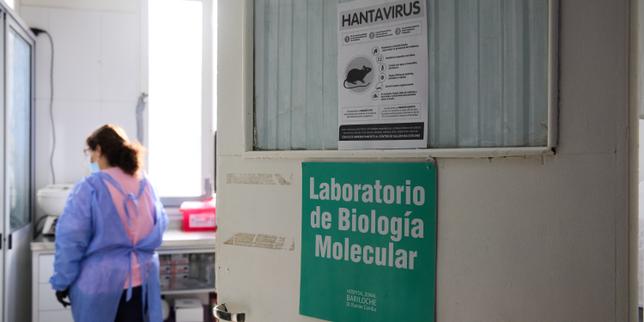
If you want to stop hantavirus, you do not wait for global carbon emissions to drop. You fund decentralized diagnostic labs in rural Patagonia so local doctors can identify the virus in hours rather than weeks.
The Problem With Ecological Colonization
When international health agencies look at South American health crises, they view them through a highly sanitized lens. They love macro-trends. They love satellite maps showing temperature anomalies because it allows them to propose sweeping, high-concept solutions that require massive budgets but zero local accountability.
This approach ignores basic rural sociology. The expansion of the agricultural frontier forces impoverished seasonal workers into direct contact with pristine forest borders. These workers sleep in substandard housing, clear brush without respiratory protection, and work in grain storage facilities that are essentially open-air buffets for wild rodents.
No amount of carbon taxing will fix a poorly sealed grain silo. No climate accord will provide a migrant worker with an N95 mask and a pair of heavy-duty gloves.
The High Cost of the Wrong Focus
When we channel all our intellectual and financial resources into fighting the abstract monster of climate change, we defund the immediate, gritty interventions that save lives today.
- Rodent proofing rural infrastructure: Subsidizing concrete flooring and metal sheeting for low-income rural housing.
- Predator restoration: Banning the indiscriminate poisoning of foxes and birds of prey in agricultural zones.
- Rapid-response field diagnostics: Deploying mobile PCR units to high-risk zones during the spring and summer months.
These solutions are boring. They do not get you invited to speak at international summits. They do not generate terrifying, clickbait headlines about the apocalypse. They just work.
Admitting that hantavirus is a localized problem of poverty, poor infrastructure, and ecological neglect means admitting that local governments have failed. It means admitting that public health budgets were misallocated. It is far easier for a politician to point at a global temperature graph and say, "Look what the developed world did to us," than it is to fix the sewage and housing systems in their own backyard.
Stop looking at the sky for answers to an outbreak that is happening on the floor of the forest. The virus does not care about global climate treaties. It cares that you left the door to the granary open. Fix the roof, trap the rats, and stop using the weather as an alibi for incompetence.
/i.s3.glbimg.com/v1/AUTH_5dfbcf92c1a84b20a5da5024d398ff2f/internal_photos/bs/2022/7/q/6M5eaAQBGuPVBPz0xKuQ/whatsapp-image-2022-12-24-at-17.52.03.jpeg)