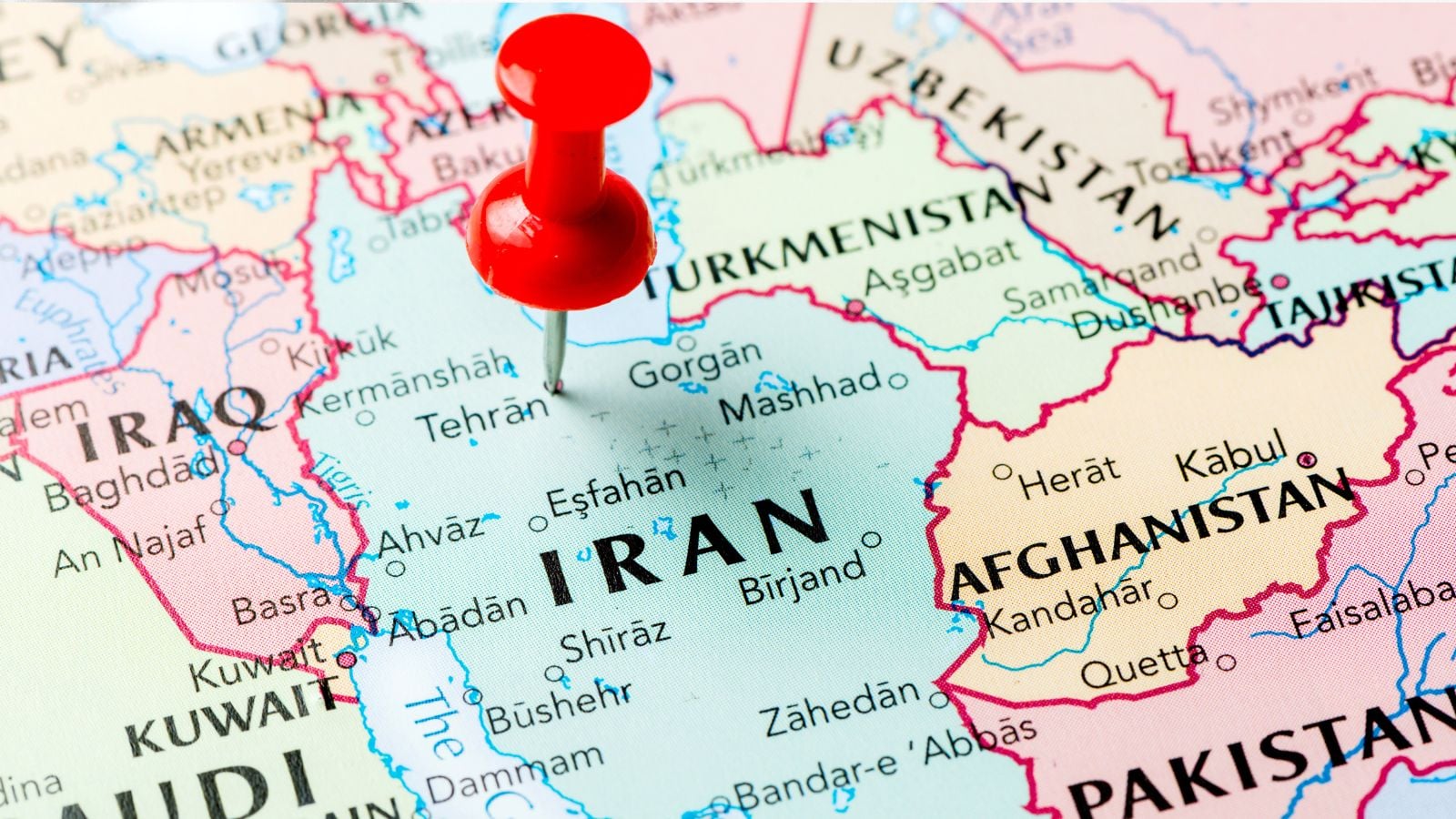
When the Strait of Hormuz closes, the illusion of energy security evaporates in hours. Iraq, sitting atop some of the largest petroleum reserves on the planet, is currently staring down an acute structural vulnerability that exposes the fragile architecture of Middle Eastern energy logistics. With maritime transit choked off and traditional supply chains fractured, Baghdad has quietly authorized emergency overland fuel imports from neighboring Syria. It is an administrative workaround born of pure desperation.
The immediate catalyst is a severe maritime bottleneck in the Persian Gulf. For decades, the global economy treated the narrow channel between Oman and Iran as an indestructible artery. Tankers moved millions of barrels of crude and refined products daily out of Basra and regional terminals, feeding domestic and international markets alike. When geopolitical friction or military escalation shuts that waterway, domestic refining capacity in Iraq cannot instantly compensate for the sudden loss of imported gasoline and refined distillates. Baghdad needs finished product immediately to keep power plants running, emergency fleets moving, and urban centers functioning.
Turning to Syria to bridge the gap is a masterclass in regional geopolitical irony. Syria's own refining infrastructure has been battered by over a decade of civil war, sanctions, and infrastructural decay. Yet, localized refining nodes and cross-border trucking corridors still function in the margins, operating beyond Western banking frameworks and formal maritime oversight. Tankers cross land borders via clandestine or semi-formal logistics channels, hauling refined gasoline directly into western Iraqi governorates. It is a hazardous, expensive, and fragile lifeline.
To understand why a major oil exporter is importing gasoline overland from a war-torn neighbor, we have to look past the crude production headlines and examine the dirty reality of domestic refining economics.
The Structural Paradox of Iraqi Refining
Iraq pumps massive volumes of crude oil, but it exports most of it raw. For years, successive governments failed to invest adequately in downstream processing capacity. Catalytic crackers, hydrotreaters, and deep-conversion facilities require sustained capital expenditure, technical expertise, and security—three things that have been in short supply.
When the Strait of Hormuz chokes, the math turns upside down overnight.
Crude sits in fields, unable to leave via tanker. Simultaneously, the refined gasoline that Iraq normally imports from international spot markets via Gulf ports fails to arrive. Local refineries, hampered by decades of maintenance backlogs and technical degradation, cannot ramp up production of high-octane motor fuel fast enough.
[Crude Production]
       │
       ├─► [Export via Basra Terminals] ──X── (Strait of Hormuz Bottleneck)
       │
       └─► [Domestic Refineries] ──► (Insufficient Output / Bottlenecked)
                                           │
                                           ▼
                            [Emergency Overland Fuel Pivot]
                                           │
                                           ▼
                            [Cross-Border Trucking from Syria]
The gap between domestic demand and refined supply widens into a chasm. Queues form at petrol stations across Baghdad and Erbil. Prices spike in the black market. The government faces a classic legitimacy crisis: a state floating on a sea of petroleum cannot keep its citizens' cars running.
The Logistics of Desperation
Transporting refined fuel by land is an operational nightmare compared to the sheer efficiency of a Very Large Crude Carrier.
Moving thousands of barrels of gasoline via tanker trucks across desert highways introduces massive friction costs. Security risks multiply. Convoy logistics require constant coordination with security forces, local militias, and tribal intermediaries who control specific stretches of highway. Protection fees eat into thin profit margins. Fuel degradation and evaporation during transit add to the losses.
Yet, when maritime lanes are dead, asphalt is the only option
Baghdad Silent Pivot Exposing the Fragile Geography of Middle Eastern Energy
news, business
When the maritime bottleneck at the Strait of Hormuz tightens, the economic shockwaves do not wait for diplomatic communiques. They register immediately in the fuel tanks of Baghdad. Iraq, a petroleum giant sitting atop some of the richest crude reserves on the planet, has found itself forced into an uncomfortable logistics maneuver. The state is importing refined gasoline from its war-scarred neighbor to the west, Syria. This desperate workaround lays bare a structural vulnerability that decades of oil revenue failed to fix.
The closure or restriction of the Strait of Hormuz chokes off the Persian Gulf maritime exit, halting the flow of refined petroleum products that Iraq routinely imports to supplement its domestic refining shortfalls. Baghdad produces crude oil in abundance, but its domestic downstream infrastructure remains crippled by decades of conflict, corruption, and systemic underinvestment. When the maritime choke point constricts, the imported gasoline pipeline snaps.
To keep vehicles moving and municipal power grids functioning, state buyers have had to look overland. Syria, despite its own catastrophic infrastructure damage and years of civil war, maintains localized refining capacity and land transit corridors that bypass maritime choke points altogether. It is a striking irony of modern geopolitics. A country exporting millions of barrels of crude by sea is trucking in refined motor fuel from a sanctioned state via fractured desert highways.
The Domestic Refining Paralysis
The root cause of this vulnerability lies not in the waters of the Persian Gulf, but inside the crumbling concrete complexes of the Iraqi refining sector. Facilities like the Baiji refinery, once the crown jewel of domestic fuel production, suffered catastrophic damage during successive conflicts. Even as reconstruction efforts crawl forward, bureaucratic inertia and institutional friction prevent modern facilities from coming online at the scale required by a booming domestic population.
Consider the basic math of the Iraqi energy market. The country extracts massive volumes of crude oil every single day, pumping it out of giant southern fields. Yet, a significant portion of that crude leaves the country unprocessed, only to return as expensive gasoline and diesel after being refined abroad. This circular dependency creates a permanent structural deficit. When external transit routes through the Persian Gulf face disruption, the entire system grinds toward a halt within days.
The reliance on Syrian overland supplies introduces a completely different set of operational risks. Transporting fuel via truck convoys across volatile provincial boundaries means dealing with security threats, smuggling networks, and exorbitant transport premiums. It is a logistical band-aid applied to a gaping arterial wound.
Geopolitical Fallout Across the Northern Tier
This energy pivot does not happen in a vacuum. Regional powers watch closely as trade routes shift away from traditional maritime paths toward overland corridors controlled by shifting coalitions. The trade cooperation between Baghdad and Damascus signals a pragmatic recalibration of economic survival over ideological alignment.
When international shipping lanes become too hazardous or expensive due to regional escalations, states inevitably revert to geography. If the Persian Gulf closes, the economic gravity pulls nations toward land-based trade, regardless of political complications or international sanctions regimes.
Yet, relying on a fractured state like Syria for critical energy supplies carries severe long-term liabilities. Transport corridors are vulnerable to local militia taxation, infrastructure degradation, and sudden shifts in military control. Every truckload of gasoline crossing the border is a testament to short-term emergency management rather than a coherent national strategy.
Breaking the Cycle of Scarcity
Solving this recurring crisis requires more than finding alternative overland trucking routes when maritime traffic stalls. It demands a ruthless overhaul of domestic downstream capabilities. Baghdad must accelerate the completion of new domestic refineries, eliminate the administrative bottlenecks that stall foreign engineering contracts, and plug the massive fiscal leaks in its distribution networks.
Until local refineries can meet domestic demand without interruption, the country will remain hostage to geography and geopolitical friction. Every time a bottleneck pinches the Strait of Hormuz, the nation will be forced to look toward its neighbors, scrambling for whatever fuel it can secure across broken borders just to keep the lights on and the engines running.


