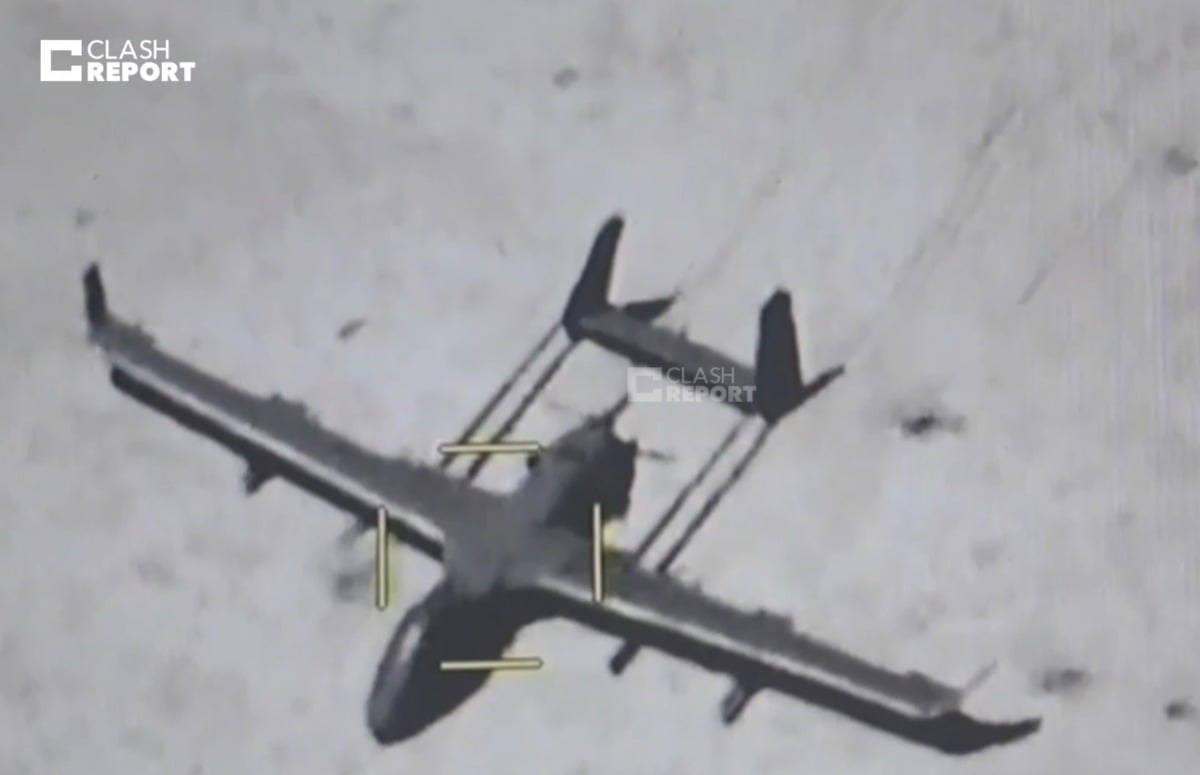
The skies over Sudan are hosting a brutal, quiet evolution in modern aerial combat. For months, the paramilitary Rapid Support Forces (RSF) used heavy, long-range drones to project power far beyond their ground positions. They targeted civilian infrastructure, power grids, and military hubs with near impunity. But the tide is turning sharply.
The Sudanese Armed Forces (SAF) recently intercepted and destroyed multiple advanced Chinese-made FH-95 (often referred to in tracking circles as the CH-95 series variant) strategic drones in rapid succession. In less than a month, the SAF brought down four of these heavy platforms, including a dramatic mid-air intercept over North Kordofan and White Nile State.
If you think this is just another minor regional skirmish, you're missing the bigger picture. This isn't just about Sudan. It's a real-world testing ground showing exactly what happens when Chinese long-endurance platforms collide with Turkish-built unmanned combat aerial vehicles (UCAVs) running air-to-air hunting missions.
The Rapid Collapse of RSF Air Superiority
For the first half of the conflict, the RSF used their heavy Chinese-designed platforms to strike deep into government-held territories. The FH-95 is no hobbyist quadcopter. It's a medium-altitude, long-endurance (MALE) beast built for electronic warfare, deep reconnaissance, and precision missile strikes. With a 24-hour loiter time, it gave the RSF a massive strategic reach.
Then came July.
The SAF ground defenses and air units went on an absolute tear.
- July 2: A strategic drone is slapped out of the sky over Tendelti in White Nile State.
- July 7: Another platform gets ripped apart over the Al-Andaraba export highway linking Khartoum to Kordofan.
- July 13: A third advanced unit is intercepted northwest of El Obeid, a vital commercial and humanitarian transit hub.
Losing one heavy asset hurts. Losing three or four within a couple of weeks is an operational catastrophe. It leaves the RSF's long-range strike capabilities utterly gutted, forcing them to rely on smaller, short-range loitering munitions that can't shift the strategic balance.
Drone on Drone Combat is No Longer Sci-Fi
What makes these shootdowns fascinating to anyone watching military tech is how it's happening. While ground-based air defenses took out some units, open-source intelligence and thermal footage revealed a far more lethal predator in the sky: the Bayraktar Akinci UCAV.
The SAF has been utilizing Turkish-made Akinci drones to actively hunt the RSF's Chinese-made assets. In one verified engagement, an Akinci locked its thermal optics onto a jet-powered CH-95 variant, tracked it through the clouds, and fired an imaging infrared-guided air-to-air missile. The result? A catastrophic mid-air kill.
This is a massive shift in how wars are fought. We used to think of drones as platforms that only strike targets on the ground or spy on troops. Now, they are playing out dogfights. Advanced UCAVs are taking on traditional air superiority roles, clearing the skies of enemy unmanned aircraft without risking a single human pilot's life.
Why the FH-95 is Failing under Pressure
On paper, China's FH-95 is a highly capable system. It's built for electronic warfare, meaning it's supposed to jam enemy signals and protect itself from electronic interference. Yet, it's proving incredibly vulnerable in the Sudanese airspace. Why?
- Lack of Defensive Layering: The RSF operates these drones without true radar coverage or anti-air umbrellas on the ground. A heavy, slow-moving MALE drone is a sitting duck if an enemy fighter or a superior UCAV catches it from above.
- Predictable Flight Paths: Because these drones are used to monitor specific supply lines—like the export highway connecting Khartoum to Kordofan—their flight paths are easily anticipated. The SAF simply waits at the choke points.
- Superior Optics and Missile Tech: The Turkish Akinci platforms sport highly sensitive thermal imaging suites. They can spot the heat signature of a Chinese drone engine from miles away, locking on before the target's electronic warfare suite can even identify the threat.
What This Means for Global Arms Supply Lines
The sudden loss of these high-value assets highlights a massive back-alley arms race pouring into Africa. Neither the SAF nor the RSF builds these machines natively. The conflict has turned into a proxy technology war.
While the Sudanese military relies heavily on Turkish tech, international tracking and UN reports suggest the RSF's advanced Chinese hardware flows through regional networks and foreign backers. But buying advanced military hardware is only half the battle. If you don't have the training, the integrated air defense networks, and the tactical discipline to protect those assets, you are essentially throwing millions of dollars of sophisticated carbon fiber into a scrap heap.
The systematic destruction of these drones means the RSF is burning through its strategic reserve fast. They can't easily replace 24-hour endurance aircraft on the black market. Expect to see the SAF push harder on the ground around El Obeid now that the eye in the sky has been blinded.
Military planners globally are taking notes on the events in Kordofan and White Nile. The era of uncontested drone surveillance is officially dead. If you're going to fly a heavy platform in modern conflict, you better be prepared to defend it against a missile-tending hunter drone that's actively looking for its next kill.

:max_bytes(150000):strip_icc():focal(842x0:844x2)/twin-peaks-billy-zane-040425-70a37fe9a7cb4ffb9e7821106c80f296.jpg)

