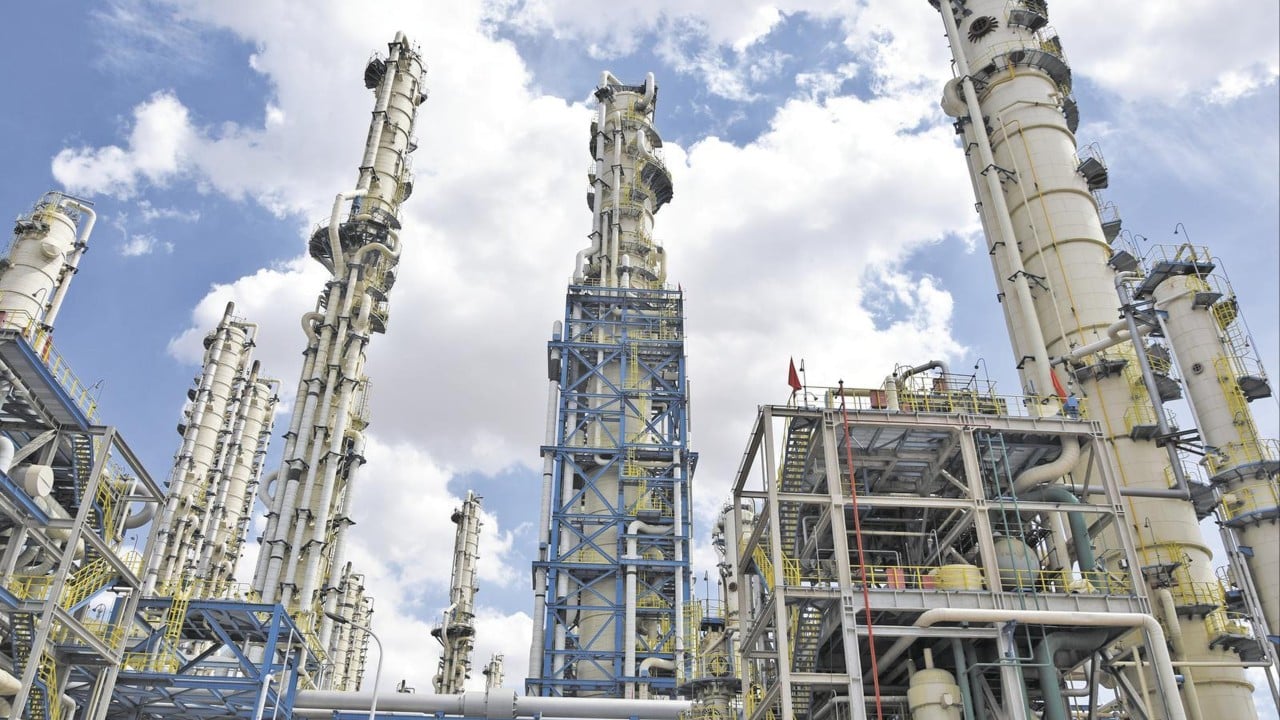
Raw coal usually gets treated like a dirty, low-value commodity on global markets. But recent operational reports reveal that massive processing facilities in northwest China are pulling off an extreme industrial trick. By transforming solid coal into high-end liquid products, state-backed energy firms are multiplying the economic worth of the raw material sevenfold.
When you dig into how this works, you realize it is not just a scientific novelty. It is a calculated survival mechanism for a massive economy trying to insulate itself from global supply chain shocks. Also making waves in this space: The Desert Bridges That Are Quietly Rewriting Global Trade.
The Mechanics of the Sevenfold Value Jump
So, how do you turn rock into liquid fuel? The process relies on heavy industrial conversion methods like the Fischer-Tropsch synthesis, adapted heavily at mega-facilities such as the massive complex run by China Energy Group Ningxia Coal Industry Co Ltd.
Instead of burning the coal for basic electricity, operators gasify it at extreme temperatures to create synthesis gas—a mix of hydrogen and carbon monoxide. From there, catalytic reactions rebuild those molecules into synthetic crude oil, specialized machine lubricants, and even ingredients capable of powering aerospace hardware. Further insights on this are explored by Harvard Business Review.
Raw thermal coal sits at a relatively low price point per ton. Once that same ton transforms into specialty lubricants or refined synthetic liquids, the market value multiplies dramatically. Reports tracking these facilities note a roughly 700% value increase from the raw input stage to the final specialty output.
The Geopolitical Pressure Driving the Shift
Why go through the immense expense and engineering headache of liquefying coal when crude oil exists? The answer comes down to severe vulnerability.
Before recent geopolitical disruptions closed key maritime chokepoints like the Strait of Hormuz, China relied heavily on Middle Eastern crude imports for over forty percent of its petroleum. When trade routes face military blockades or price volatility, importing raw crude becomes an acute national security risk.
By contrast, domestic coal reserves inside China are massive. The Ningxia region alone processed 24 million tonnes of coal in a single year, making up a huge quarter of its regional output. Turning local coal into liquid fuel means factories and logistics hubs keep moving even if every tanker ship gets stranded offshore.
Economic Realities Beyond the Headlines
Skeptics point out that coal liquefaction historically struggles with efficiency. During periods when global oil is cheap and abundant, converting solid carbon into synthetic oil is a money-losing proposition. Running these plants requires billions in upfront capital, massive water supplies in arid regions, and intense energy inputs.
Yet, standard economic formulas change when a country prioritizes self-sufficiency over short-term market margins. When crude oil prices spike or imports tighten, having domestic conversion lines acts as a heavy-duty insurance policy.
Furthermore, this trend extends beyond just liquid fuels. Industrial planners are aggressively expanding coal-to-gas and coal-to-chemicals infrastructure. Turning cheap domestic coal into olefins—the essential building blocks for plastics—has frequently yielded better profit margins than traditional oil-based naphtha processing when coal prices dip.
What This Means for Global Energy Markets
Heavy investments in coal conversion signal a permanent shift in how resource-rich nations view energy independence. Decades ago, western nations abandoned heavy coal-to-liquids research because pumping crude oil from the ground was simply cheaper.
China is proving that energy security often overrides raw economic efficiency. If you control the feedstock within your own borders, you dictate your own terms. Expect other resource-heavy nations facing trade blockades or supply instability to revisit these heavy industrial conversion blueprints over the coming decade.
Map out your own supply chain vulnerabilities now. Assess how heavily your operations rely on single-source commodity imports, and build domestic buffers before market shocks force your hand.