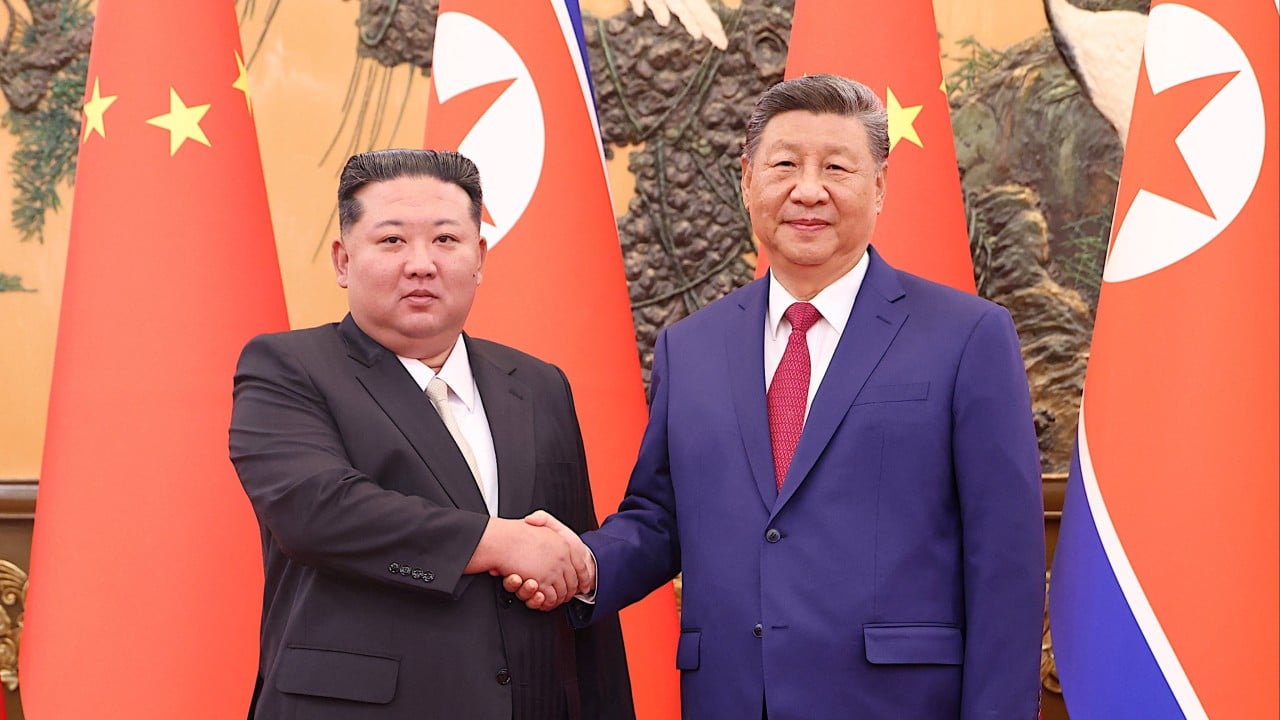
Xi Jinping is packing his bags for Pyongyang. It’s his first trip to North Korea in seven years, and the timing isn't an accident. This high-stakes summit comes right after the Chinese leader hosted Donald Trump and Vladimir Putin in Beijing.
For months, observers have watched Kim Jong Un cozy up to Moscow, shipping artillery shells and troops to aid Russia's war effort. Some thought Beijing was getting left in the cold. But let’s be real. Xi’s upcoming visit proves that when the chips are down, China remains the only economic lifeline that actually keeps the lights on in North Korea. Kim might enjoy his flashy new bromance with Putin, but he can't eat Russian promises. He needs Chinese cash, food, and trade to survive.
The relationship between Beijing and Pyongyang isn't built on genuine friendship. It's an uncomfortable, transactional marriage of convenience. Both leaders know it.
The Myth of the Russia North Korea Alliance
Don't buy into the hype that Russia has replaced China as North Korea’s favorite neighbor. Sure, Kim and Putin signed a major defense treaty. Yes, North Korea is getting military tech in exchange for supporting Russia. But look at the numbers. China still drives over 90% of North Korea’s total trade.
Putin provides weapons tech and geopolitical cover at the United Nations. What he doesn't provide is the massive influx of daily consumer goods, energy, and grain that prevents the North Korean economy from completely collapsing. Kim promised his people a higher standard of living. He simply cannot deliver that without Xi’s approval.
Xi is going to Pyongyang to correct the balance. He wants to remind Kim exactly who holds the purse strings. Beijing was privately uneasy about how fast Kim sprinted into Putin's arms. By showing up in Pyongyang, Xi is pulling his unruly neighbor back into China's orbit.
Kim Jong Un Is Playing a Stronger Hand Now
If you think Kim is going to roll out the red carpet and simply take orders from Xi, you're mistaken. The North Korean leader is approaching this summit with more confidence than we've seen in years. He isn't begging for help. He's negotiating.
Just days before the summit announcement, North Korea deliberately flashed a new uranium enrichment facility at Yongbyon. It was a loud, clear signal to Beijing. Pyongyang is telling China that its nuclear status is permanent and non-negotiable.
North Korea's Two-Track Diplomacy Ahead of the Summit:
1. Loudly endorse China's position on Taiwan and Japan to show loyalty.
2. Unveil new nuclear facilities to prove they won't give up their weapons.
Kim’s media machine has been laying the groundwork for weeks. They’ve gone out of their way to echo China’s complaints about Japan’s military shifts and US dominance in Asia. Kim even explicitly backed Xi's "one-China" principle regarding Taiwan. It’s a classic diplomatic trade. Kim is giving Xi the rhetorical support China wants on regional security. In return, he expects China to stop bringing up denuclearization.
What China Actually Wants from the Summit
Beijing’s goals have shifted. While the US still pushes for a denuclearized Korean peninsula, China has basically accepted reality. They know Kim isn't giving up his nukes. Beijing’s primary goal right now is stability. They want to prevent a chaotic military escalation right on their border.
Xi wants to use this trip to establish China as the ultimate advisor to the Kim regime. If North Korea eventually decides to restart talks with the United States or South Korea, Xi wants to make sure Beijing dictates the terms.
We should expect a few concrete economic rewards to flow from this meeting. Xi will likely ease up on border travel restrictions. There’s talk of finally opening the massive, long-stalled bridge over the Yalu River. Beijing might also give the green light for Chinese tourist groups to return to North Korean resorts, bringing a direct flood of foreign currency into Kim's pockets.
But don't expect China to completely shred UN sanctions. Xi plays a long game. He will provide just enough aid to keep Kim stable and loyal, but not enough to trigger a massive diplomatic blowback from the West.
To watch how this plays out, watch the post-summit dispatches. If the joint statements focus heavily on economic cooperation and gloss over the nuclear issue, it means Kim successfully pushed his agenda. If the language stays dry and brief, it means the personal friction between Xi and Kim remains as thick as ever. Keep your eyes on the Yalu River border traffic over the next month. If trucks start moving across that unused bridge, we'll know Beijing has officially opened the financial taps.