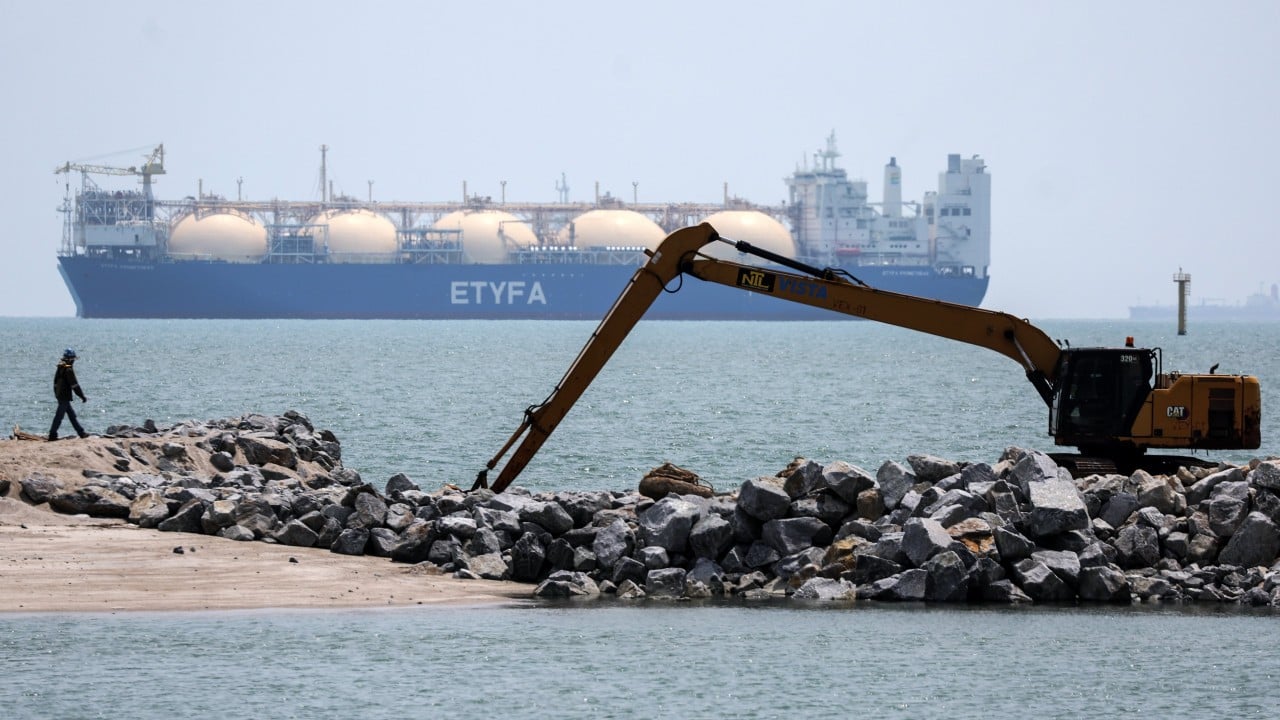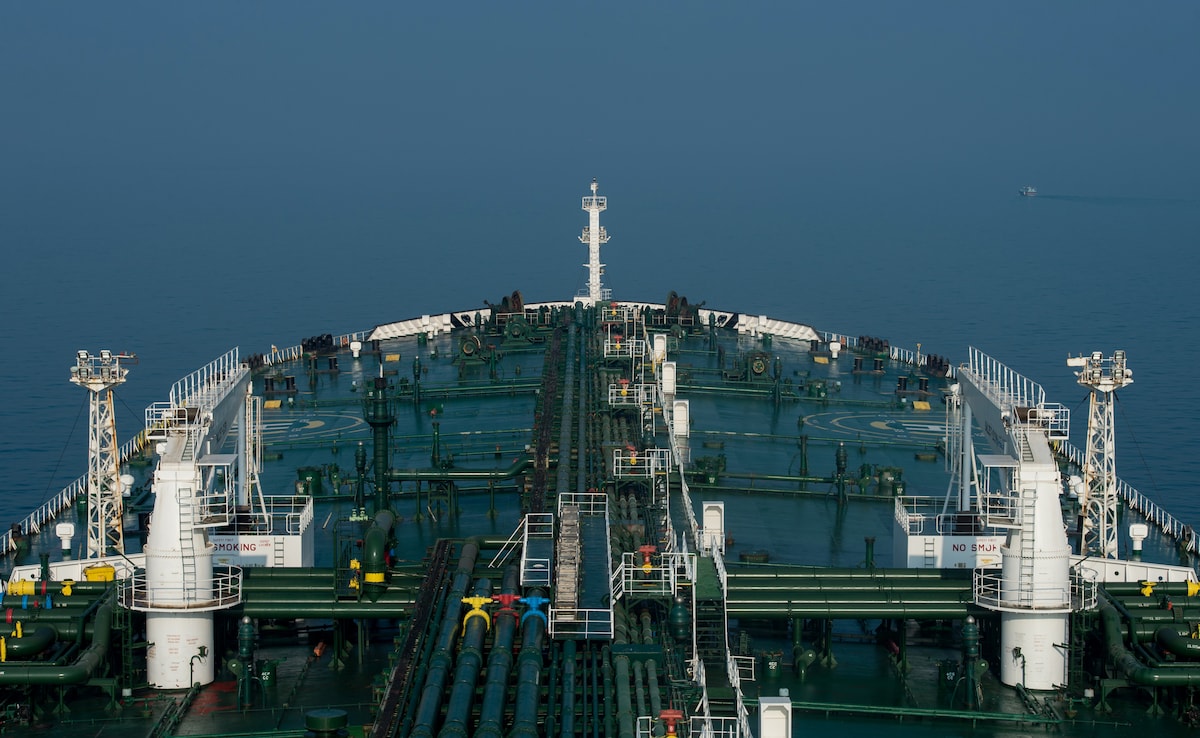
The maritime map around southeastern Iran looks like a parking lot for some of the world's largest ships. Right now, a cluster of Very Large Crude Carriers (VLCCs) is sitting off the coast of Chabahar, and they aren't there by choice. This isn't just another dip in the market or a routine shipping delay. It's the visible result of a tightened US naval blockade that's effectively strangling Iran's energy exports and forcing its oil industry into a corner it can't easily escape.
If you're wondering why this matters to you, look at the gas pump or your heating bill. When 20% of the world's traded oil is normally flowing through this region and suddenly hits a wall, the ripples are felt everywhere from Beijing to Berlin.
The Bottleneck at Chabahar
For years, the Strait of Hormuz was the primary flashpoint. But since the blockade intensified in mid-April 2026, the focus has shifted east. Chabahar was supposed to be Iran's "sanctions-proof" gateway—a deep-water port sitting outside the narrow confines of the Persian Gulf. The idea was simple: if the US closed the Strait, Iran would just ship from the Gulf of Oman.
That plan is currently failing.
US Navy destroyers and P-8 Poseidon patrol aircraft are now actively intercepting vessels attempting to leave Iranian territorial waters. As of late April, maritime intelligence from firms like Windward AI and Kpler confirms a massive buildup. We're talking about roughly 14 million barrels of crude just sitting in a cluster of tankers near Chabahar. These ships are essentially "loitering"—waiting for a gap in enforcement that hasn't appeared.
- Loadings have collapsed: In March 2026, Iran was moving 1.85 million barrels per day (mbpd). By mid-April, that number cratered to about 567,000 bpd.
- Storage is full: Iran’s onshore storage tanks are hitting their limits. When the tanks are full and the ships can't leave, you have to stop the pumps.
- Production cuts: Experts estimate Iran is being forced to cut production by as much as 1.5 mbpd because there's simply nowhere left to put the oil.
The India Factor and the Expired Waiver
There’s a massive diplomatic headache playing out behind the scenes in New Delhi. India has spent billions developing Chabahar Port as a transit hub to Central Asia. For a while, the US looked the other way, granting a sanctions waiver because the port was vital for non-oil trade.
That grace period ended on April 26, 2026.
Without that waiver, the port is no longer a safe haven. India is now stuck in "discussions" with both Washington and Tehran, trying to figure out if their investment is about to become a ghost town. The expiration of this waiver is a major reason why the vessels are piling up; the legal "gray zone" that allowed some trade to trickle through has officially turned pitch black.
How Iran is Trying to Cheat the Blockade
Don't think Tehran is just sitting on its hands. They're using every trick in the book to move those barrels. It's a high-stakes game of cat and mouse on the open sea.
Going Dark
The most common tactic is turning off Automatic Identification System (AIS) transponders. A ship "goes dark" to hide its location from satellite tracking. But in 2026, this doesn't work like it used to. Synthetic Aperture Radar (SAR) and high-frequency satellite imagery can "see" through clouds and darkness. If a 300-meter tanker disappears from the map but a massive hunk of steel is still floating off Chabahar, the US Navy knows exactly where it is.
Ship-to-Ship Transfers
Vessels are attempting to meet in the middle of the night to pump oil from a sanctioned Iranian tanker to a "clean" ship with a different flag. It’s risky, it’s slow, and it’s messy. Monitoring firms have spotted at least one of these transfers involving two smaller tankers near the Chabahar anchorage recently.
The Dark Fleet
There's a shadowy network of aging tankers with obscure ownership that exists solely to move sanctioned oil. While some of these ships—like the Felicity, which reportedly moved 2 million barrels to India just before the blockade—occasionally slip through, the success rate is plummeting. The US has signaled it will now intercept these vessels even if they left port before the blockade officially started.
Why This Time is Different
In previous years, "sanctions" usually meant financial paperwork and legal threats. A "blockade" is a physical military action. The current enforcement under CENTCOM is impartial and aggressive. They aren't just sending letters; they're putting warships in the path of tankers and telling them to turn around.
So far, the US claims to have redirected dozens of vessels. Most comply without a fight because the alternative is being boarded or seized. For the shipping companies, the risk of losing a $100 million vessel isn't worth the profit from one "dark" shipment of Iranian crude.
What This Means for the Global Market
The immediate shock pushed Brent Crude past $120 per barrel back in March. While things have stabilized slightly as traders realize some oil is still moving, the "storage crisis" in Iran is a ticking time bomb.
If Iran can't export, they lose roughly $200 million to $250 million every single day. That’s a massive hole in their budget. By the time we hit summer 2026, the "payment pipeline" for previous shipments will dry up. That’s when the real economic pain starts for Tehran.
Moving Forward
If you're tracking this situation, keep your eyes on the Chabahar anchorage. The number of vessels sitting there is the most honest indicator of how well the blockade is working.
- Watch the AIS data: Look for "dark" spots where tankers tend to congregate.
- Follow the Indian Ministry of External Affairs: Their stance on the port will tell you if the US is willing to bend on the April 26 waiver expiration.
- Check the production numbers: If Iran officially announces major cuts to their oil fields, it means the storage buffer is gone and the blockade has won.
The "Chabahar Pileup" isn't just a shipping glitch. It's the sound of an economy being slowly deprived of its oxygen. Don't expect the tankers to move anytime soon—unless they're heading back to port with their holds still full.