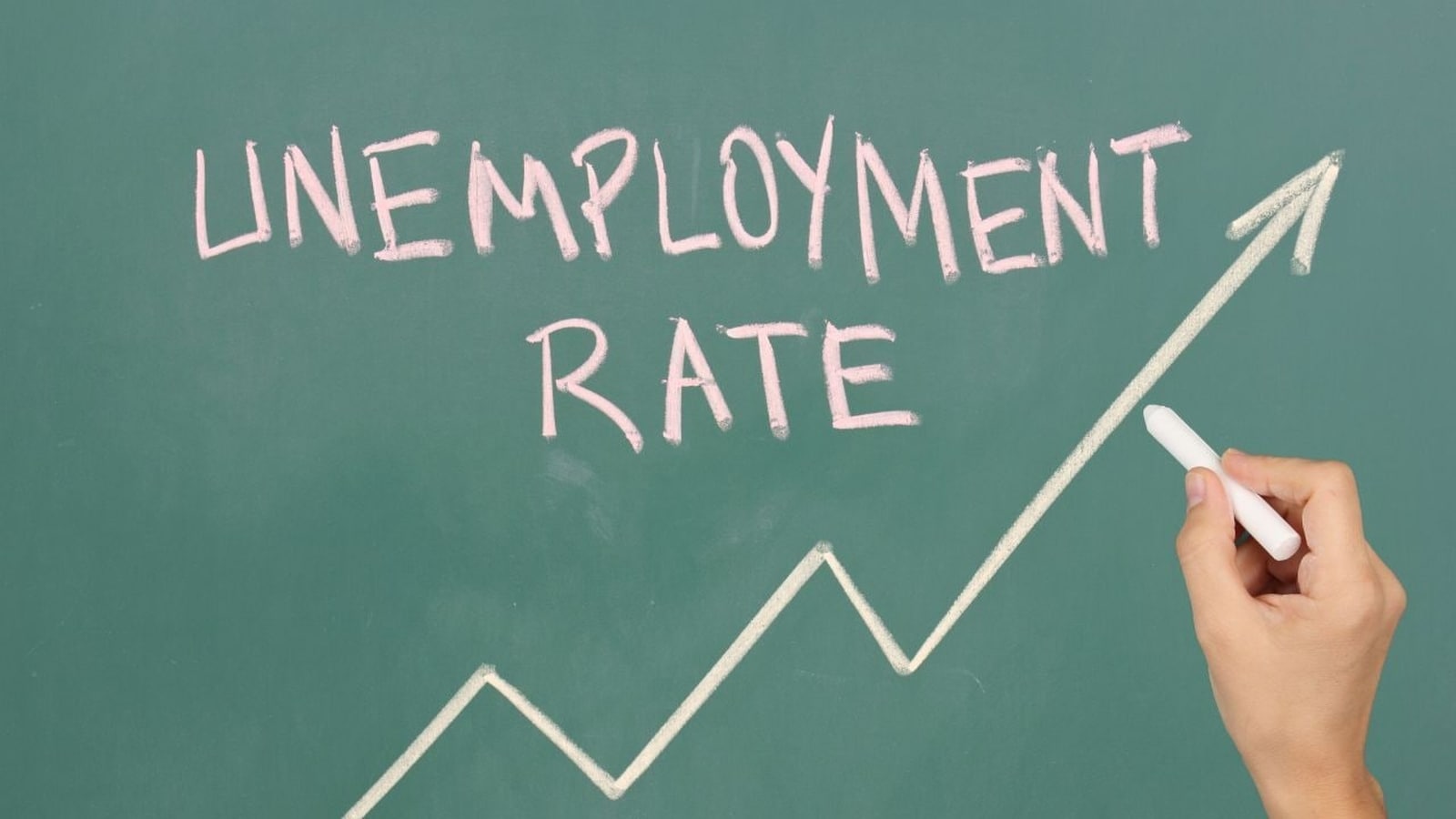
The Central Banking Scapegoat Strategy
The European Central Bank wants you to believe energy markets are running the show.
They held interest rates steady again, wringing their hands over volatile crude futures and geopolitics in the Middle East. Financial media dutifully regurgitated the press release: central bankers are cautious, data-dependent guardians standing vigil against the unpredictable tides of global commodity swings.
It is a convenient narrative. It is also complete nonsense.
Blaming oil prices for monetary policy stagnation is the oldest trick in the bureaucratic playbook. When inflation refuses to die, central bankers point at the nearest gas station and pretend their hands are tied. I spent years watching institutional traders trade around these press conferences, and the game never changes. Policy makers treat supply-side shocks as mysterious acts of God while ignoring the mountain of liquidity they pumped into the system themselves.
Oil prices do not dictate European monetary policy. Structural economic paralysis and fear of cracking fragile sovereign debt markets do. By framing their inaction around crude oil volatility, Frankfurt buys time, shields itself from accountability, and leaves European businesses holding the bag for systemic mismanagement.
The Flawed Logic of Blaming the Barrel
Let's dismantle the central premise: energy shocks require high interest rates.
Central banks use one primary mechanism to fight inflation: demand destruction. Raising rates makes borrowing expensive, cools business investment, suppresses wage growth, and reduces consumer spending. It is a blunt instrument designed to stop an economy from overheating.
Now, consider what happens when Brent crude spikes because of a pipeline disruption or a shipping blockade.
Does raising interest rates produce more barrels of oil? Does tightening monetary policy clear maritime bottlenecks?
Of course not.
Interest rates do not drill wells.
In fact, holding rates high in response to energy spikes creates a compound disaster. High borrowing costs choke off the capital expenditures needed to transition to alternative energy or build resilient supply infrastructure. By reacting to energy volatility with monetary tightening—or prolonged pauses at elevated levels—the ECB actively suppresses the capital investment required to solve the supply problem.
Supply Shock (Geopolitical/Structural)
  → High Energy Costs (Reduces Consumer Spending Power)
    → ECB Holds/Raises Rates (Increases Debt Servicing Costs)
      → Business Investment Drops (Supply Deficit Worsens)
Energy inflation acts as a natural tax on consumers. It destroys demand automatically. When gas prices rise, people spend less on discretionary goods. The economy cools itself. When central banks pile high interest rates on top of an energy tax, they are not controlling inflation—they are strangling an already wounded market.
What Frankfurt Isn't Telling You About Sovereign Debt
If energy prices aren't the real reason the ECB is paralyzed, what is?
Look at the spread between Italian and German sovereign bonds.
The European Central Bank operates under a fundamental design flaw: it sets a single monetary policy for 20 distinct nations with wildly different fiscal realities. Germany needs a completely different interest rate policy than Italy, Greece, or Spain.
When rates remain elevated, the cost of servicing public debt in high-debt Eurozone nations explodes.
"We are data-dependent, not Fed-dependent."
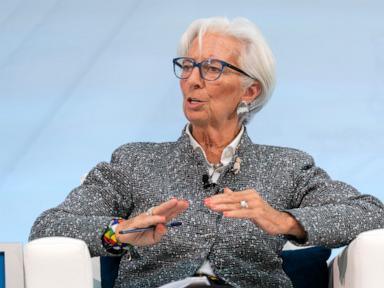
That is the official line Christine Lagarde likes to repeat. But the data they are actually watching isn't the CPI print or crude futures—it's the risk of a sovereign debt crisis in Southern Europe.
If the ECB raises rates to aggressively fight underlying service-sector inflation, they risk triggering a bond market revolt in the periphery. If they cut rates aggressively to spur dying growth in Germany, they risk weakening the Euro, which pushes up the import price of—you guessed it—denominated commodities like oil.
So, they choose paralysis. They pause. And they blame the oil market for forcing their hand.
It is a masterclass in risk shifting. By pointing at global energy charts, central bankers transform an internal structural crisis into an external geopolitical tragedy.
Core Inflation vs. Headline Misdirection
Ask any beginner analyst, and they will tell you monetary policy should ignore headline inflation and focus on core inflation—which excludes food and energy precisely because those sectors are too volatile.
Yet, here we are, watching the leadership of the world's second-largest currency area cite oil fluctuations to justify their policy stance.
This flip-flopping reveals a deep cynicism in policy communication:
- When energy prices crash and drag headline inflation down, central banks insist on ignoring it: "Look at core inflation! Services are sticky!"
- When energy prices surge and push headline inflation up, central banks pivot immediately: "We must remain vigilant against second-round energy effects!"
They switch metrics whenever it suits their narrative to justify keeping policy right where it is.
The real problem in the Eurozone isn't the price of a barrel of crude. The real problem is non-energy service inflation, sticky wage growth without matching productivity gains, and a total lack of structural economic growth. European productivity is lagging far behind the United States. Businesses are fleeing due to high energy costs, absurd regulatory burdens, and uncompetitive capital markets.
Holding interest rates high doesn't fix a single one of these problems. It compounds them.
The Disappearing Act of Quantitative Tightening
While the headline interest rate gets all the airtime, the real damage is happening on the balance sheet.
For over a decade, central banks bought up government debt to artificially suppress borrowing costs. Now, they are attempting to unwind those balance sheets through Quantitative Tightening (QT).
Imagine a scenario where the central bank simply stops buying its own member states' debt, letting hundreds of billions of Euros in bonds mature without replacing them.
That is the reality right now.
QT removes liquidity directly from the banking system. It quietly tightens financial conditions in the background, regardless of whether the benchmark rate moves or stays flat. By focusing the public debate on oil and rate freezes, monetary authorities draw attention away from the systematic drain of liquidity occurring behind closed doors.
They want the public focused on unpredictable OPEC decisions because OPEC doesn't report to European voters. The central bank's own balance sheet decisions do.
How Capital Allocators Should Read the Playbook
If you are running a company, managing a portfolio, or allocating capital based on official central bank guidance, you are taking orders from people playing defense.
Stop waiting for central bankers to save the market with rate cuts. Stop letting headline energy numbers dictate your long-term strategy.
Here is how you actually navigate this environment:
1. Separate Energy Noise from Structural Trends
Energy volatility is a feature of the modern geopolitical landscape, not a temporary bug. If your business model relies on cheap energy and zero-interest loans returning simultaneously, your model is obsolete. Plan for capital costs to remain structurally higher than the 2010s baseline, regardless of minor rate cuts.
2. Ignore Central Bank "Forward Guidance"
Forward guidance is a public relations tool, not a forecasting mechanism. Central banks failed to predict the inflation spike, misjudged its persistence, and are now reacting to lagging data. Make capital decisions based on real-time corporate earnings, order volumes, and actual balance sheet liquidity—not the carefully sanitized prose of central bank press releases.
3. Hedge the Currency, Not Just the Commodity
The Euro's valuation is caught between a sluggish real economy and an indecisive central bank. If energy prices do spike, the Euro suffers double damage: a higher import bill and a widening growth gap against the US dollar. Businesses operating in Europe must protect themselves against currency debasement just as aggressively as commodity spikes.
The Uncomfortable Truth
Central banks are not all-powerful managers of the economy. They are reactive institutions trapped by their past mistakes.
The decade-long experiment with negative interest rates and quantitative easing backed them into a corner. Now, with massive public debt, stagnant economic growth, and fragmented fiscal policies across the Eurozone, they have almost no clean moves left on the chessboard.
Blaming oil prices is an exit strategy from accountability. It converts monetary failure into an external tragedy, giving technocrats an excuse for why they can't deliver stability or growth.
The next time a central banker stands at a podium and tells you they are holding rates steady because of commodity swings, stop looking at crude futures. Look at sovereign bond yields, look at productivity figures, and look at the balance sheets. That is where the truth lives.
The oil market isn't trapping the central bank. The central bank built its own cage.