Hollywood loves a good PR blitz.
When big names need to reset public perception or launch a major project, traditional press releases don't cut it anymore. You need spectacle. You need emotional connection.
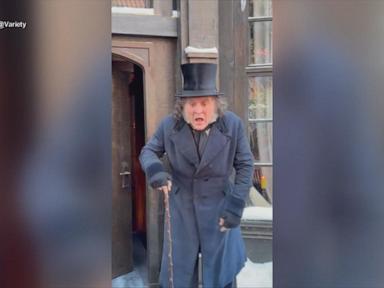
San Diego Comic-Con witnessed a prime example of this strategy. Johnny Depp made an unannounced appearance at a Paramount Pictures activation, completely submerged under heavy prosthetic makeup as Ebenezer Scrooge. He was promoting Ti West’s upcoming Gothic adaptation Ebenezer. Carrying a cane, donning a vintage top hat, and snarl-delivering lines in character, he actually walked right up to a fan dressed as Captain Jack Sparrow.
It was deliberate, theatrical, and wildly effective.
Meanwhile, across the pond, Prince Harry and Meghan Markle executed their own carefully calibrated moment. They offered a rare glimpse into their personal family life, sharing candid images featuring Archie and Lilibet during a European trip.
Two totally different approaches. One shared goal: controlling the narrative.
The Strategy Behind In-Person Fan Surprises
Surprise appearances at fan conventions aren't spontaneous gifts to pop culture. They're calculated marketing moves.
When an actor of Depp's profile steps into a crowded exhibition hall in full character makeup, it bypasses traditional media filters. Fans film the interaction on their phones, upload the clip, and let algorithm-driven virality do the heavy lifting.
Look at what happened with the Ebenezer stunt. Paramount didn't just buy ad space; they created an experience. Depp playfully confronting his own legacy—interacting with someone dressed as Jack Sparrow—gave fans an organic moment that felt personal.
"It's good to be back," Depp snarled in character during the teaser launch, directly tapping into the nostalgia that made his early career so formidable.
Hollywood studios use these key tactics to guarantee max reach:
- Physical transformations: Dressing in full prosthetics creates instant curiosity before the big reveal.
- Nostalgic callbacks: Directly acknowledging classic past roles builds immediate fan goodwill.
- Direct fan interaction: Skipping traditional panel desks makes stars seem accessible and grounded.
Curated Intimacy and the Royal Photo Drop
Contrast Depp's public spectacle with the Sussexes' strategy.
For public figures who constantly battle paparazzi intrusiveness, releasing private photos on their own terms works like a pressure-release valve. Releasing family images during a trip to Portugal lets Harry and Meghan shape how the public sees their kids. It satisfies public curiosity while preserving boundary lines.
It's curated intimacy. You feel like you're getting a genuine peek behind the curtain, but every single frame is intentionally selected.
By avoiding formal studio portraits and opting for relaxed, vacation-style shots, they signal stability, warmth, and independence. It completely shifts the focus away from tabloid rumors and grounds their brand in normal family life.
Why Unscripted Moments Outperform Traditional Ads
Audiences today are exhausted by polished studio commercial campaigns. We scroll right past sponsored trailers and ignore scripted talk show interviews.
Unscripted moments—or at least moments that feel unscripted—break through that noise.
When an A-lister interacts directly with someone in the crowd, it creates an emotional anchor. Viewers feel like they witnessed something real instead of being sold a product. That emotional connection translates into box office tickets, streaming views, and long-term brand loyalty.
If you're managing brand communications, public relations, or just trying to get attention for a creative project, take notes from these moves:
- Stop pitching standard releases: Focus on creating shareable, real-time experiences instead of issuing bland statements.
- Lean into authentic interactions: Direct, unscripted engagement always beats a polished advertisement.
- Control your visual narrative: If you don't define how your story looks to the public, someone else will do it for you.
To build meaningful buzz, give people a story they genuinely want to share. Drop the corporate polish, create an unexpected moment, and let your audience tell the story for you.