The White House wants you to believe there is a "gap" between their ceasefire plan and Iran’s 10-point proposal. This is a lie of omission. There isn't a gap; there are two different maps to two different graveyards.
The media is currently obsessed with the mechanical differences between the U.S.-backed framework and the Iranian counter-offer. One focuses on phased withdrawals; the other demands immediate sovereignty. One talks about "sustainable calm"; the other demands an end to "Zionist aggression." If you’re tracking the bullet points, you’re missing the forest for the shell casings.
The reality is far more cynical. Neither side wants a permanent solution because the status quo of "managed instability" provides more political capital than a peace that requires actual compromise.
The Myth of the Ten Points
Iran’s 10-point plan isn't a diplomatic breakthrough. It’s a branding exercise. By releasing a public, structured list, Tehran is playing to a global audience that is increasingly weary of American unilateralism. They are positioning themselves as the "adults in the room" by offering a structured alternative to the vague, shifting goalposts of U.S. diplomacy.
But look at the mechanics. Iran’s demands—specifically the immediate and total withdrawal of forces—are designed to be rejected. In the world of high-stakes geopolitics, you don't ask for the moon because you want the moon; you ask for it so you can blame the other guy for being "anti-space."
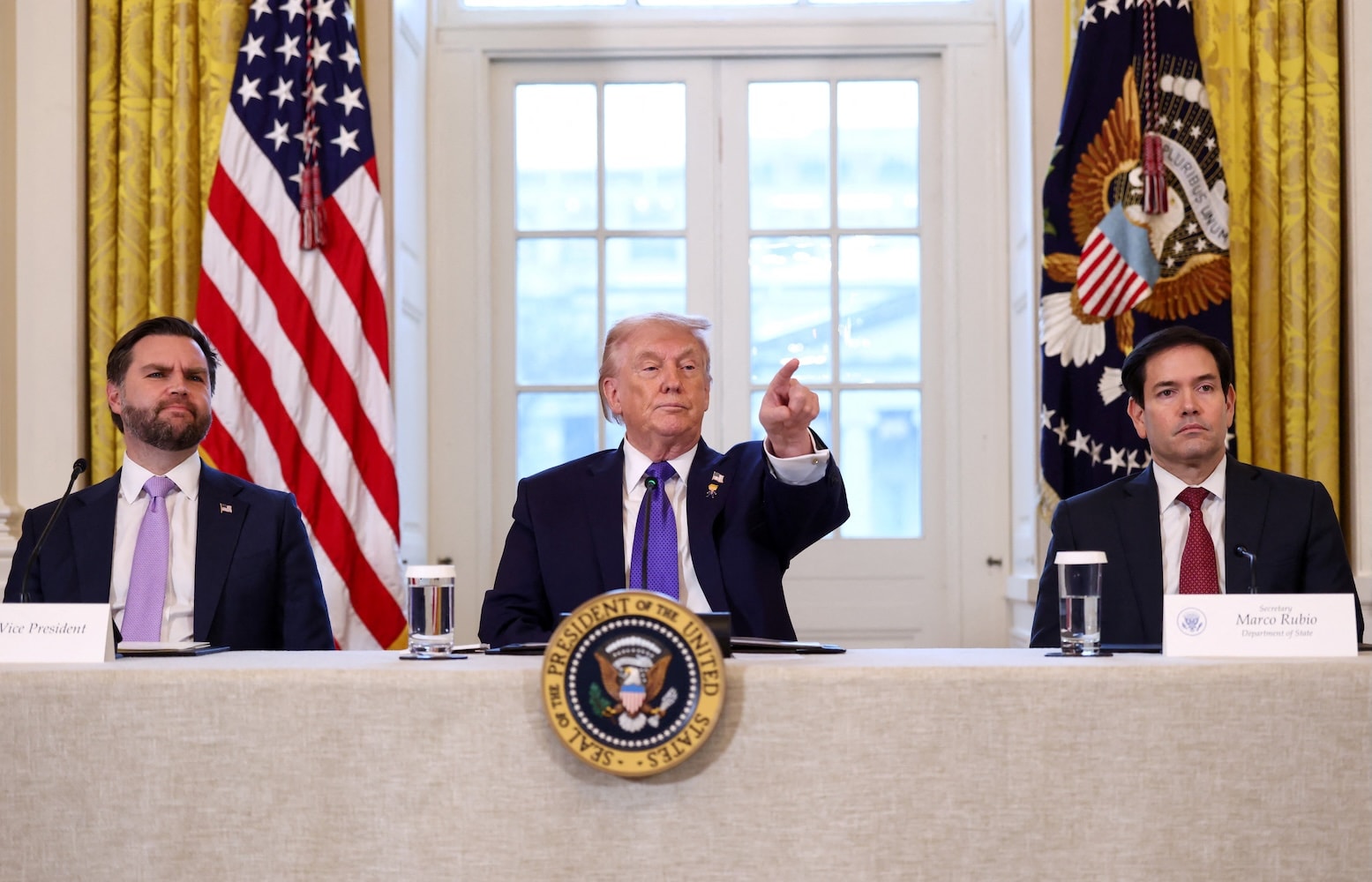
The White House official who briefed the press on these "differences" is doing the exact same thing. By highlighting the discrepancies, the U.S. creates a narrative of Iranian obstructionism. It’s a feedback loop of performative failure.
Why the U.S. Plan is Built to Break
The U.S.-backed plan relies on a concept I’ve seen fail in every major conflict zone from Tripoli to Kabul: the "Phased Implementation."
In theory, Phase 1 builds trust. In reality, Phase 1 is just a chance for every proxy on the ground to reload their magazines and reposition their mortars. The U.S. logic assumes that if you stop the bleeding for six weeks, the patient will suddenly decide they don't want to fight anymore.
This is a fundamental misunderstanding of the region's incentives. For groups like Hamas or Hezbollah, a "pause" is a tactical asset, not a strategic shift. For the Israeli cabinet, a "pause" is a political liability that invites internal collapse. Washington is trying to sell a West Wing solution to a Mad Max problem.
The Invisible Third Party: The Weapons Industry
Let’s talk about the data nobody wants to put in a chart. Ceasefire talks are the most profitable periods for defense contractors. When a ceasefire "might" happen, everyone buys insurance. In the Middle East, insurance looks like $15 billion in missile defense systems and precision-guided munitions.
While officials argue over Point 4 versus Point 7, the logistics chains for the next three years of conflict are being solidified. If a ceasefire actually worked, the budget for "Emergency Supplemental Aid" would vanish. Nobody in Washington—or Tehran—is actually ready for that hit to their bottom line.
Dismantling the "People Also Ask" Delusions
If you search for "Why hasn't there been a ceasefire?", the internet will give you a list of grievances. They’ll tell you about "unresolved border disputes" or "hostage exchange ratios."
They are wrong.
The reason there is no ceasefire is that the cost of war is still lower than the cost of peace for the decision-makers.
- For Iran: War keeps the U.S. bogged down and Israel isolated.
- For the U.S.: The "peace process" allows for the projection of influence without the messiness of actual boots on the ground.
- For Local Actors: Peace means elections, and elections mean they might actually lose power.
Stop asking when the ceasefire will happen. Start asking who loses their job if the shooting stops.
The Sovereignty Trap
Iran’s plan emphasizes "regional solutions for regional problems." It sounds noble. It’s actually a demand for a power vacuum.
If you remove the U.S. from the equation—as the 10-point plan suggests—you aren't left with "peace." You are left with a regional hegemony race between Iran, Saudi Arabia, and Turkey. The U.S. knows this. Their counter-insistence on "international guarantees" is just code for "we keep our hand on the steering wheel."
We are watching two drivers argue over the radio station while the car is flying off a cliff.
The Brutal Math of Diplomacy
In my years analyzing these "frameworks," I’ve learned that the complexity of a document is inversely proportional to its chances of success.
- The U.S. plan: 3 phases, 14 sub-clauses, 50+ "technical triggers."
- The Iranian plan: 10 points, mostly focused on "total" and "immediate" actions.
Both are non-starters. A real ceasefire is usually one page long and involves a line on a map that both sides are too tired to cross. We aren't there yet. Both sides still have plenty of blood and other people's money to spend.
Stop Falling for the Press Briefing
When a White House official says the plans "differ," they are inviting you to a debate that doesn't matter. They want you to argue about the nuances of Point 6 so you don't notice that the foundational logic of both sides is flawed.
The U.S. thinks it can buy peace with "economic corridors." Iran thinks it can force peace with "resistance."
Neither has ever worked in this geography.
The 10-point plan and the U.S. framework are not competing visions for a better world. They are competing press releases designed to satisfy domestic bases while the actual hardware of war continues to move across borders.
If you want to know what’s actually happening, stop reading the ceasefire drafts. Start watching the flight paths of cargo planes. The planes aren't carrying diplomats; they’re carrying parts.
Diplomacy is the theater we watch while the real business of the 21st century—attrition—grinds on in the background. The gap between Washington and Tehran isn't a policy disagreement. It’s a coordinated dance to ensure that neither side ever has to admit that they’ve lost control of the fire they started.
Throw the 10-point plan in the trash. It’s not a map. It’s a decoy.