Two countries. One 90-minute football match. For thousands of people inside Toronto Stadium, the tournament opener between Canada and Bosnia and Herzegovina wasn't just a sporting event. It was an identity crisis wrapped in 90 minutes of high-stakes soccer.
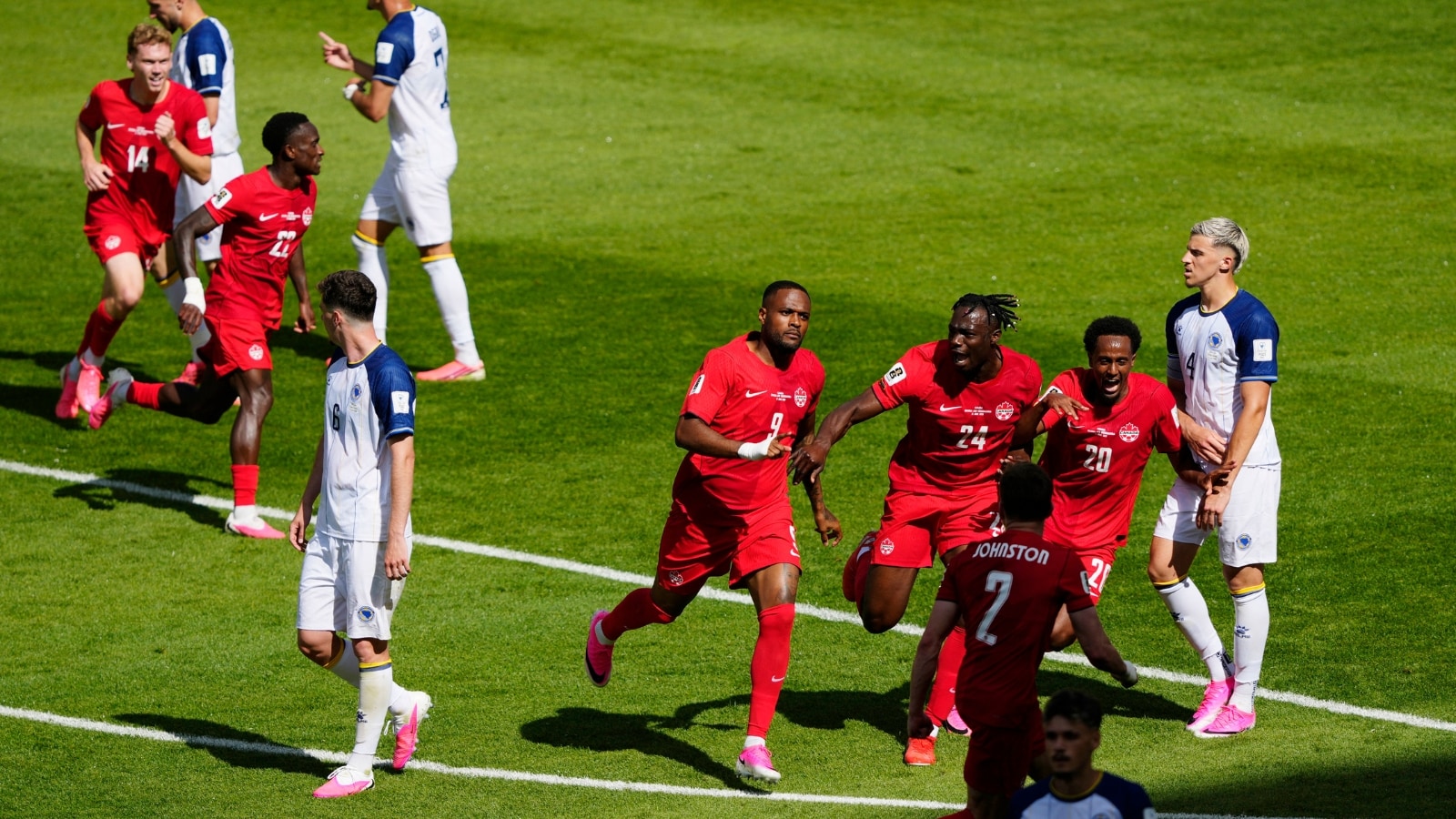
The match ended in a 1-1 draw. Jovo Lukic struck first for Bosnia in the 21st minute, silencing the partisan crowd, before Cyle Larin rescued Canada with a late equalizer in the 78th minute to secure Canada's first-ever World Cup point. But the real story wasn't the tactical chess match between Jesse Marsch and his counterpart. It was the emotional gridlock in the stands.
If you've never had to flee your homeland, you probably think sports loyalty is simple. You root for the place you were born, or you root for the place you live. But it doesn't work that way for the Bosnian diaspora.
The Dual Identity of the Diaspora
Walk down Bloor Street or head toward the fan zones in downtown Toronto before kickoff. The streets were an aggressive clash of colors. A literal sea of Canadian red clashing against the deep blue and bright yellow of Bosnia and Herzegovina.
For the older generation of Bosnian immigrants, this match dredged up complicated history. Many arrived in Canada during the mid-1990s, escaping a brutal war and genocide that claimed 100,000 lives and displaced over two million people. Canada took them in. It provided safety, jobs, and a future for their kids.
So how do you choose?
Take Nadia, a Bosnian supporter who turned up at the stadium in a deep blue shirt but paired it with a Canadian national team cap. She summed up the sentiment perfectly, noting she wished she had space for two hearts to support both countries properly. Her heart belongs to her homeland, but her cap belongs to the country that saved her family.
That isn't a split loyalty. It's a doubled loyalty.
When the Beautiful Game Gets Political
The atmosphere wasn't just about sporting nostalgia. The pre-match march through downtown Toronto saw thousands of Bosnian fans turning the streets blue, chanting for global human rights and voicing solidarity with current conflict zones, including Palestine. For a community that survived ethnic cleansing, the trauma of war isn't something you leave at the turnstile. It defines how you view the world.
Then you have the hardcore supporters. The BH Fanaticos, Bosnia’s notorious ultra group, traveled from all over the globe to be here. They brought the noise, the flares, and the typical European football intensity.
Sometimes that intensity boiled over. Nearly an hour before the opening whistle, local police had to intervene in Section 215 of the temporary south stand due to several altercations. Two men from the Bosnian supporters' group were arrested and charged with assaulting a police officer. It was a stark reminder that while multiculturalism looks great on a tourism brochure, mixing intense football subcultures can get volatile quickly.
The Travel Logistics Nightmare
The match also highlighted a growing frustration among global soccer fans regarding North American border policies. While Canada co-hosts this tournament with the United States and Mexico, the fan experience across the borders has been vastly different.
Bosnian fans traveling up from places like New Jersey and New York praised the entry process into Canada. They found it straightforward and welcoming. Contrast that with the ongoing complaints surrounding US visa delays, which notably prevented Palestine's football chief from even entering the country for the tournament.
What This Draw Means on the Pitch
Let’s talk about the actual football. Canada came out nervous. Playing a World Cup opener on home soil in front of 43,002 screaming fans creates massive pressure.
Bosnia sat deep, absorbed the early Canadian possession, and executed a classic smash-and-grab set-piece to take the lead. The stadium went dead quiet, save for the estimated 10,000 Bosnian fans who turned the north stands into a mini-Sarajevo. Watch parties across the city, like the packed house at Mrakovic Fine Foods in Etobicoke, erupted.
Canada looked frustrated. They missed two massive opportunities in the first half and saw two shots cleared off the line after the break. Ismael Kone and Luc de Fougerolles worked overtime in midfield, but the final ball was missing.
Then came Cyle Larin. The veteran striker knows exactly where to be when the pressure peaks. His 78th-minute strike didn't just earn a point; it saved Canada from an opening-day disaster. After the match, Larin told reporters simply that he scores when Canada needs him. It's hard to argue with the math.
The Reality of Multicultural Soccer
If you want to understand modern Canada, look at the transit bottleneck at Union Station after the final whistle. You had fans from New Brunswick who traveled days to see the game standing shoulder-to-shoulder with local Bosnian-Canadians trading jerseys.
The draw was probably the fairest result for the people who live in both worlds. A win for either side would have left a bitter taste for someone who calls both Sarajevo and Toronto home.
Now, both teams face a grueling travel schedule. Canada flies out west to Vancouver to prepare for matches against Qatar and Switzerland. Bosnia heads south to Los Angeles and Seattle. The party in Toronto is over, but the emotional tightrope for immigrant football fans isn't going away anytime soon. If you're following this group, expect the unexpected. The points are split, the hearts are intact, and the tournament is wide open.