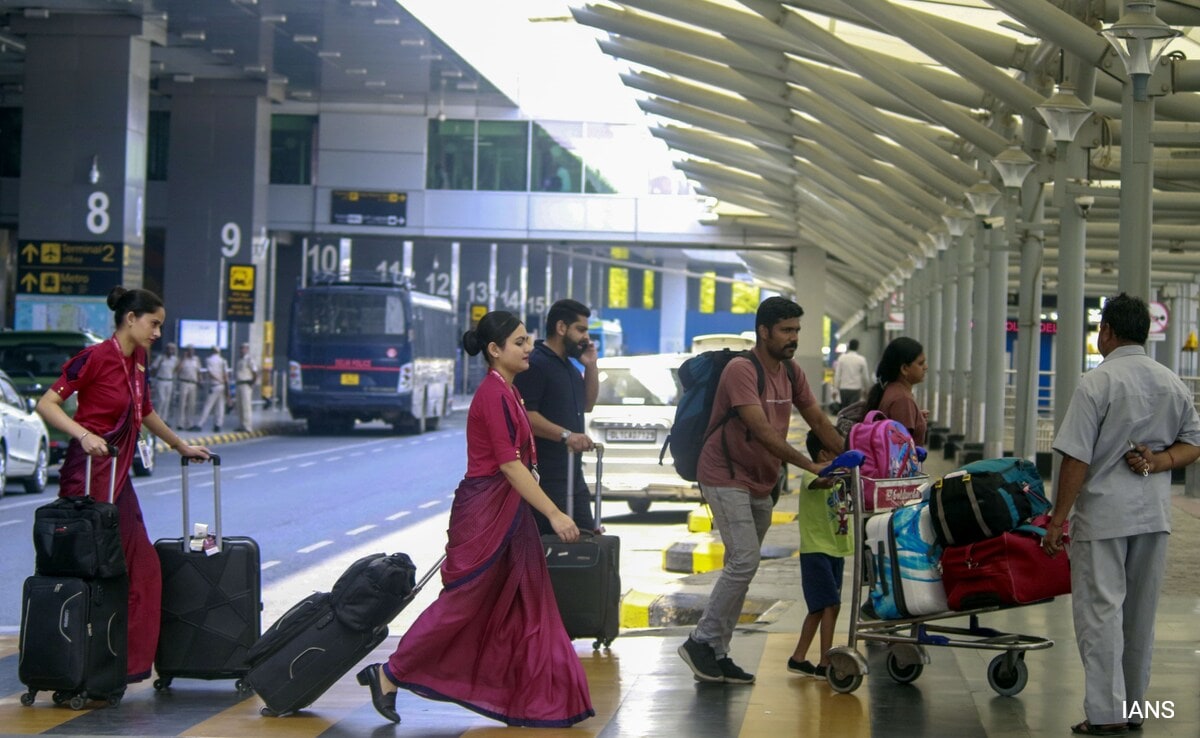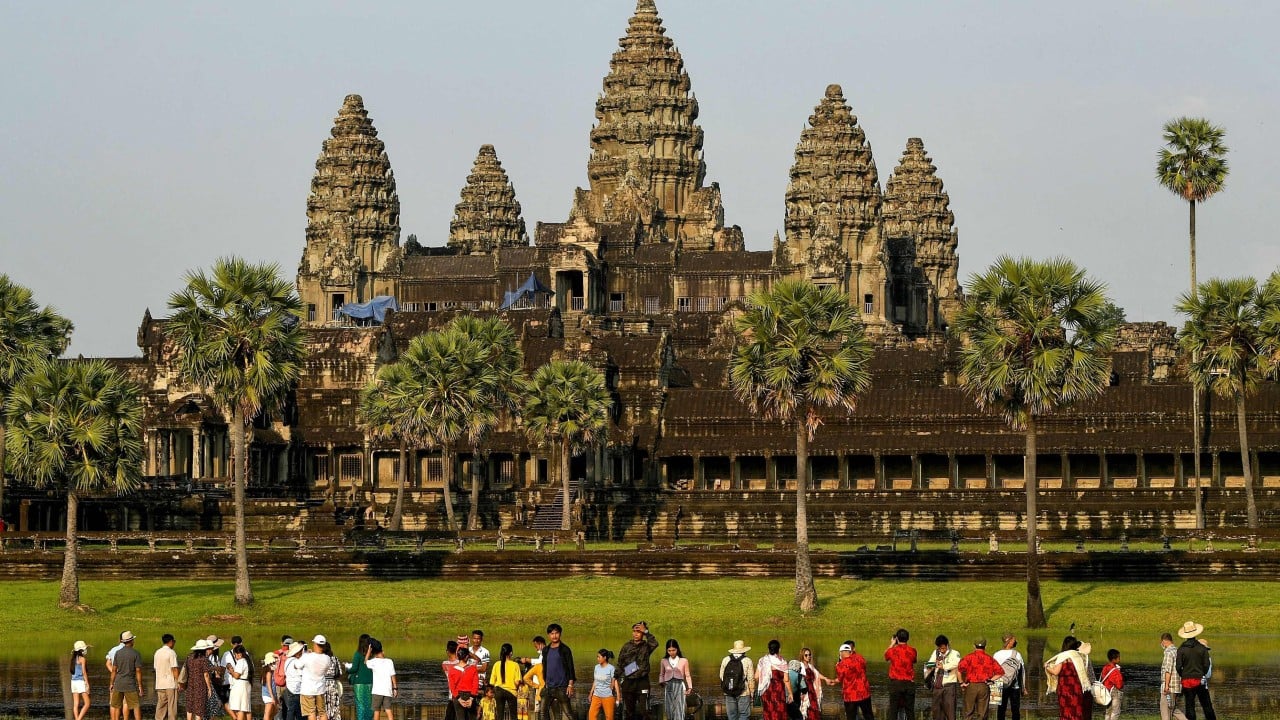
The headlines are predictable, safe, and entirely wrong. They paint a picture of a desperate Cambodia begging for Hong Kong’s approval while local travel agencies wag their fingers at "safety concerns" and "scam centers." It is a comfortable narrative for a risk-averse industry. It is also a delusion that ignores how global tourism actually functions in 2026.
The "lazy consensus" suggests that Cambodia’s tourism struggle is a branding issue rooted in crime. The reality? Hong Kong’s travel sector is suffering from a massive failure of imagination, hiding behind outdated safety tropes to avoid the hard work of selling a high-yield, frontier market.
The Safety Myth vs. The Data Gap
Travel agencies in Hong Kong claim they can’t sell Cambodia because clients are scared of being kidnapped. This is a convenient excuse for a lack of product development.
If safety were the primary driver of high-end tourism, Mexico wouldn't be seeing record-breaking numbers from luxury American travelers, and Brazil’s tourism wouldn't be surging. Travelers don't demand a zero-risk world; they demand a value proposition that outweighs the perceived risk.
Let’s look at the numbers. While the press fixates on the "Sihanoukville stain," the actual tourist corridors of Siem Reap and the coastal private islands like Koh Russey or Song Saa operate in an entirely different universe. The "threat" to a high-net-worth individual flying business class into the new Siem Reap-Angkor International Airport is statistically lower than the threat of petty theft in Barcelona or Rome.
The industry isn't protecting travelers; it's protecting its own margins. It’s easier to sell another "safe" 5-day package to Osaka than it is to curate a sophisticated, secure journey into a complex market.
Why The "Scam Center" Narrative Is A Diversion
Yes, the scam compounds exist. Yes, they are a geopolitical mess. But the idea that these centers are waiting to snatch Hong Kong tourists off the streets of Phnom Penh is a cinematic fantasy.
These operations are largely insular, criminal-to-criminal enterprises. For the average traveler, they are invisible. By conflating regional organized crime with the safety of a tourist at a five-star hotel in the capital, travel agencies are performing a disservice to their clients.
The industry is asking the wrong question. They ask, "Is Cambodia safe?" They should be asking, "Why have we failed to differentiate between a border-town industrial park and a world-class cultural heritage site?"
The Failure of the "Wooing" Strategy
The competitor’s piece suggests Cambodia is "trying to woo" Hong Kong. This implies Cambodia is the supplicant. This is a fundamental misunderstanding of the shifting power dynamics in SE Asian travel.
With the opening of the massive new airport infrastructure and the deepening of the "Ironclad Friendship" between Phnom Penh and Beijing, Cambodia isn't desperate for a few extra tour groups from Central. They are building for the next decade of Chinese and regional middle-class expansion.
Hong Kong agencies are acting like they are the gatekeepers of Cambodian success. They aren't. They are the ones being left behind. While they hesitate, regional competitors are securing the best allotments, the best guides, and the best luxury partnerships.
The Nuance Everyone Misses: The "Boredom" Crisis
The real reason Hong Kongers aren't flocking to Cambodia isn't fear. It's boredom.
The existing tour packages are relics of the early 2000s. Three days of temple-hopping, a buffet dinner with a dance show, and a flight home. It’s a stagnant product.
Modern high-spend travelers from Hong Kong—the Gen Z and Millennial cohorts—want "frictionless adventure." They want the aesthetics of the frontier with the comforts of the Peninsula. Cambodia offers this in spades, but the intermediaries are too lazy to build the bridge.
- The Private Aviation Gap: Why aren't agencies pushing private charters between Hong Kong and the southern islands?
- The Culinary Blind Spot: Phnom Penh has a burgeoning fine-dining scene that rivals parts of Bangkok, yet it’s barely mentioned in local marketing.
- The Conservation Play: High-end travelers want to fund reforestation and wildlife protection. Cambodia has the projects; Hong Kong has the capital. The connection is never made.
Stop Trying to "Fix" the Reputation (Do This Instead)
Cambodia doesn't need another PR campaign about "Kingdom of Wonder." It needs a total bypass of the traditional travel agency model.
If I were a CMO for a Cambodian luxury hospitality group, I wouldn't spend a cent on "wooing" traditional Hong Kong agencies. I would go direct to the family offices and the private social clubs. I would sell the exclusivity of a country that the "uninformed masses" are still too afraid to visit.
There is a psychological premium on being the first person in your social circle to return from a "dangerous" place with photos of a pristine, private paradise. That is the leverage.
Dismantling the "People Also Ask" Nonsense
"Is it safe for Hong Kong citizens to visit Cambodia?"
This is a flawed premise. Safety is not a binary state. It is a managed variable. Is it safe to drive a car? Yes, if you follow the rules. Is Cambodia safe? Yes, if you aren't looking for a job in an unlicensed casino in a border town. If you are staying at the Rosewood, you are safer than you are in many Western capitals.
"Why are there so many scams in Cambodia?"
There aren't "scams" targeting tourists any more than there are in any other developing nation. The "scams" the media obsesses over are human trafficking operations for cyber-fraud. They do not want your tourist dollars; they want your data and your labor. They don't want you at all.
The Brutal Truth for the Industry
I have seen agencies blow millions on safe, "proven" destinations only to see their margins cannibalized by online booking platforms. They are terrified of Cambodia because Cambodia requires expertise. It requires knowing which provinces are booming and which are troubled. It requires real boots on the ground, not just a brochure.
The agencies "doubting" the market are simply admitting they don't have the intel to navigate it.
The Actionable Playbook for the Bold
- Ignore the Headlines: The media cycle on "scam centers" has peaked. The "fear discount" is currently active. This is the time to secure long-term contracts at low rates before the narrative shifts.
- Segment or Die: Stop selling "Cambodia." Start selling "The Cardamom Mountains Expedition" or "The Koh Rong Private Escape." The broader the label, the more the fear sticks.
- Vet the Ground Ops: If your local partner doesn't have a clear, documented security protocol and high-level government liaisons, fire them. The risk isn't the country; it's your incompetent partners.
- Sell the Contrast: Use the "fear" to your advantage. Market to the traveler who wants to be "the only one there."
The industry consensus is a lagging indicator. By the time the Hong Kong travel agencies "feel safe" enough to push Cambodia, the opportunity for outsized returns will be gone. The infrastructure is being built. The luxury brands are already there.
If you’re waiting for the "all clear" from a newspaper, you aren't an industry leader. You’re a passenger.
Stop asking if the country is ready for your clients. Ask if your business is sophisticated enough to handle the country.
The gate is open. Either walk through it or get out of the way for those who aren't afraid of a little complexity.