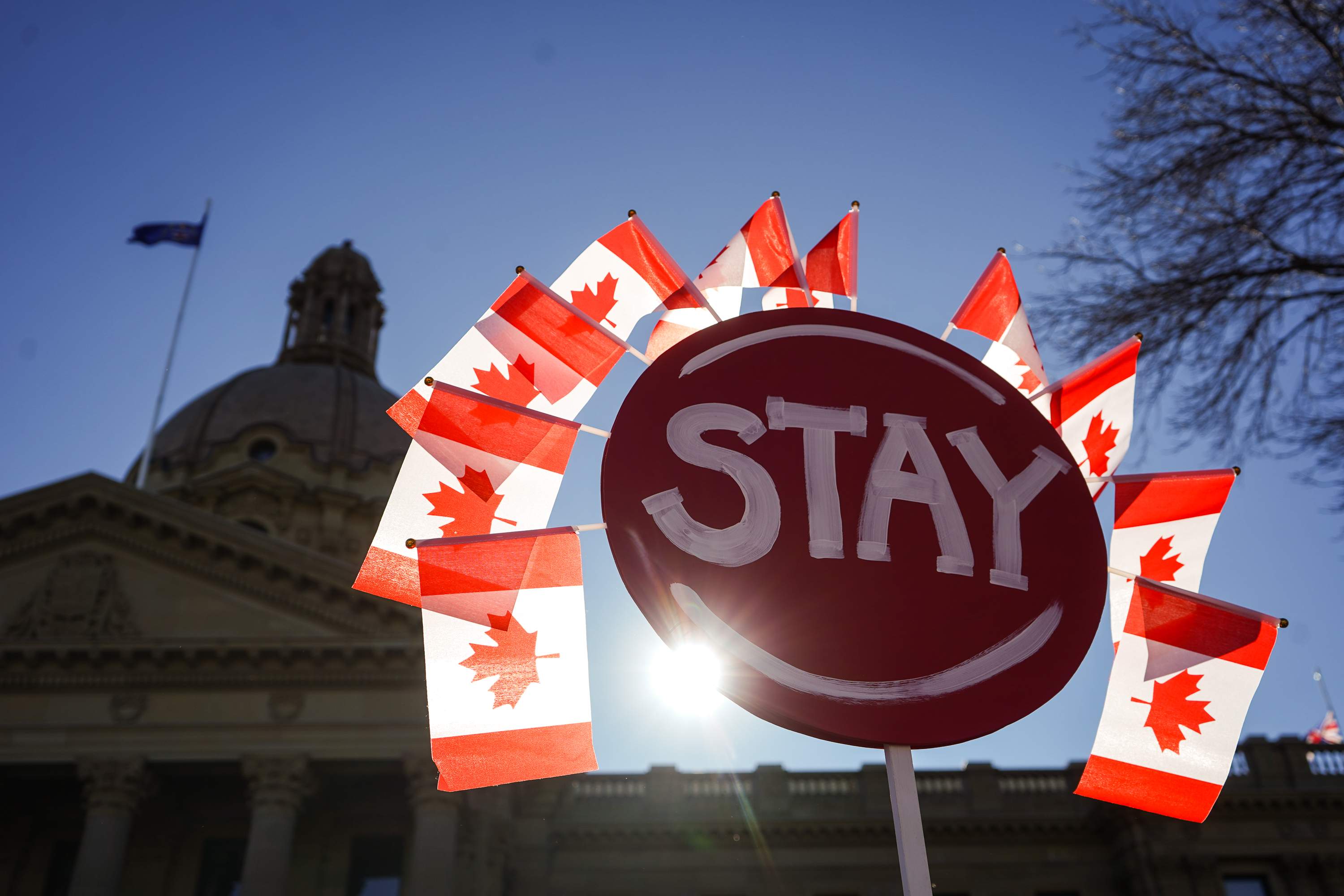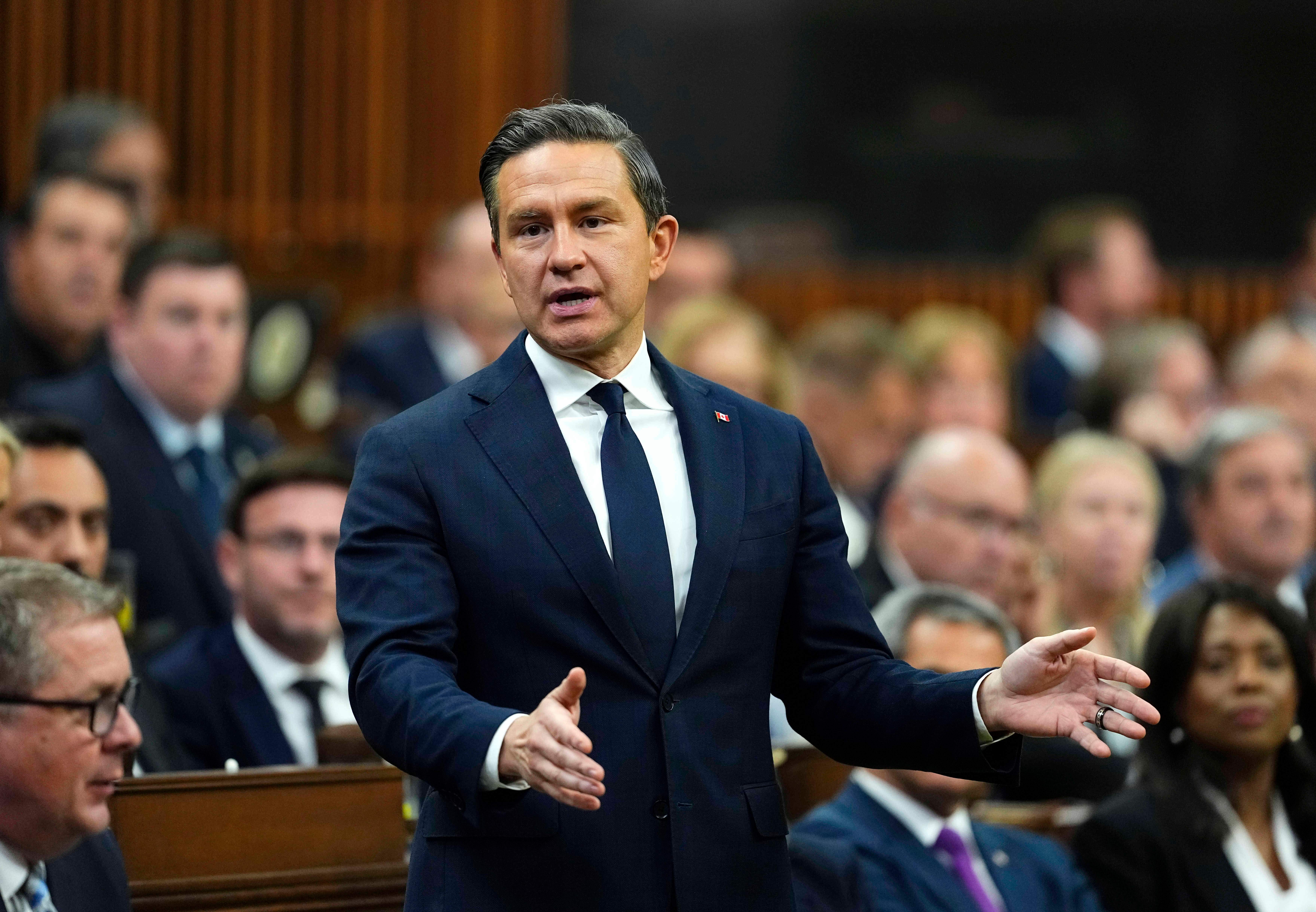
Is Canada actually in an affordability crisis, or did an opposition motion just turn household pain into a partisan scoreboard? On October 20, 2026, the House of Commons defeated a Conservative motion calling for Parliament to officially recognize both 11 years of Liberal rule and a national affordability crisis, voting 165 to 153 against it. A vote on a label doesn't pay a single grocery bill. Still, the clash points to a real tension in Canadian life: headline inflation sat at 3.1% in October 2026 on the back of a 30.9% year-over-year surge in gasoline prices, while core inflation stayed closer to 2%.
Call it a crisis, a squeeze, or a slow grind. Either way, plenty of households feel cornered.
What Happened in Vote 179 and Why the Wording Matters
Opposition motions in Ottawa are mostly political theater with sharp teeth. Vote 179 asked MPs to declare that the Liberals have held power for 11 years and that Canada faces an affordability crisis. Conservatives, Bloc Québécois, NDP, and Green members voted in favor—153 in total—while Liberals voted no, defeating the measure by 12 votes.
Notice the two-part phrasing. Linking a broad economic label directly to an 11-year political record guarantees a party-line split. Prime Minister Mark Carney's government pushed back by arguing that targeted relief and long-term investment—highlighted in the 2026 federal budget tabled in early November and passed by MPs on November 19—are the practical way forward rather than adopting a partisan label.
Honestly, that's why parliamentary votes on "crises" rarely settle anything for families. One side wants a formal admission of failure. The other wants credit for policy direction. Meanwhile, people standing in the checkout lane don't care about the vocabulary in Hansard—they care whether their paycheque stretches to the end of the month.
Where the Numbers Point to Real Stress
If you look strictly at headline Consumer Price Index numbers, the picture looks mixed rather than apocalyptic. Statistics Canada reported that annual inflation held at 3.1% in October 2026, unchanged from September. Gasoline was up 30.9% compared with October 2025 amid Middle East and Ukraine supply disruptions, pushing energy up 21.8% year over year. Food inflation ticked up to 2.4% (with groceries up 2.0%), while shelter inflation cooled to 1.4% and cell phone plans dropped 6.2%.
Stripping out volatile swings, Bank of Canada core measures—CPI median and trimmed mean—averaged around 1.9% year over year in October. That tells economists that underlying price growth isn't spiraling out of control.
Yet averages hide fragility. Insolvency data tells a harsher story about margin. According to the Office of the Superintendent of Bankruptcy, Canadian consumer insolvencies stayed above 36,000 for a third straight quarter in Q3 2026, totaling 36,797 filings—the three highest quarterly totals since 2009 on a raw volume basis, even though per-adult rates remain lower than 2009. Surveys from MNP have repeatedly highlighted how thin household buffers are, with roughly four in ten Canadians reporting they're within $200 or less of not being able to pay bills or make debt payments.
When your cushion is that thin, a 30% jump at the gas pump doesn't look like a "base-year effect". It looks like skipping a family outing or putting groceries on a high-interest card.
Why Experts Argue Over the Label "Crisis"
Economists and commentators split sharply on whether "crisis" fits Canada right now, and both sides have real evidence to lean on.
- The case for calling it a crisis: Years of high living costs relative to median incomes have left millions with almost no financial slack. Consumer proposal and bankruptcy filings are elevated, borrowing costs remain a weight, and sudden shocks in fuel or food hit lower- and middle-income budgets hardest.
- The pushback against the label: Core inflation near 2% shows broad price pressures are far tamer than during the post-pandemic inflation spike. Some categories—like cellular plans—have actually gotten cheaper, and rent growth has slowed compared with earlier peaks. Critics of the "crisis" tag argue the word gets stretched so thin it loses meaning.
There's also a fiscal debate brewing in Ottawa. The Parliamentary Budget Officer noted that federal spending commitments under Carney have climbed by more than $330 billion, with public debt charges becoming a fast-growing budget line item. Supporters of Budget 2026—which includes a 50% boost to the Canada Groceries and Essentials Benefit, a one-time early-2027 payment for eligible households, and business capital write-offs—say short-term relief paired with domestic investment will strengthen Canada's footing. Skeptics worry that heavier debt service and higher interest costs can keep pressure on borrowers.
A national average tells you how the typical basket moved. It doesn't tell you what happens to a single parent driving 70 kilometers a day to work when fuel jumps 30% over last year.
Practical Steps You Can Take Right Now
Waiting for Parliament to agree on a label won't lower your monthly bills. What you can do is audit the exact line items squeezing your cash flow and plug the biggest leaks first.
- Calculate your personal inflation rate, not the national one. Pull your last three months of bank and card statements and group spending into fuel, groceries, housing, debt payments, and telecom. If you barely drive, a spike in gasoline hurts less than a rent increase or credit card interest.
- Shop fixed contracts aggressively. Telecom pricing has shown real downward movement in 2026, and insurance or internet plans often reward switching or calling retention desks. Even shaving $30 to $60 a month frees up cash without changing your daily habits.
- Build a starter buffer before chasing big goals. If your month-end cushion is under a few hundred dollars, park any windfall—like a tax refund or benefit top-up—in a high-interest savings account so a flat tire or higher heating bill doesn't force high-cost debt.
- Talk to a Licensed Insolvency Trustee early if debt is snowballing. If you're juggling minimum payments or falling behind, speaking with a regulated trustee through the Office of the Superintendent of Bankruptcy or the Canadian Association of Insolvency and Restructuring Professionals gives you objective options—like a consumer proposal—before collections escalate.
Start with one bill this week. Pick the expense that surprised you most last month and look for a concrete way to trim it before the next billing cycle hits.