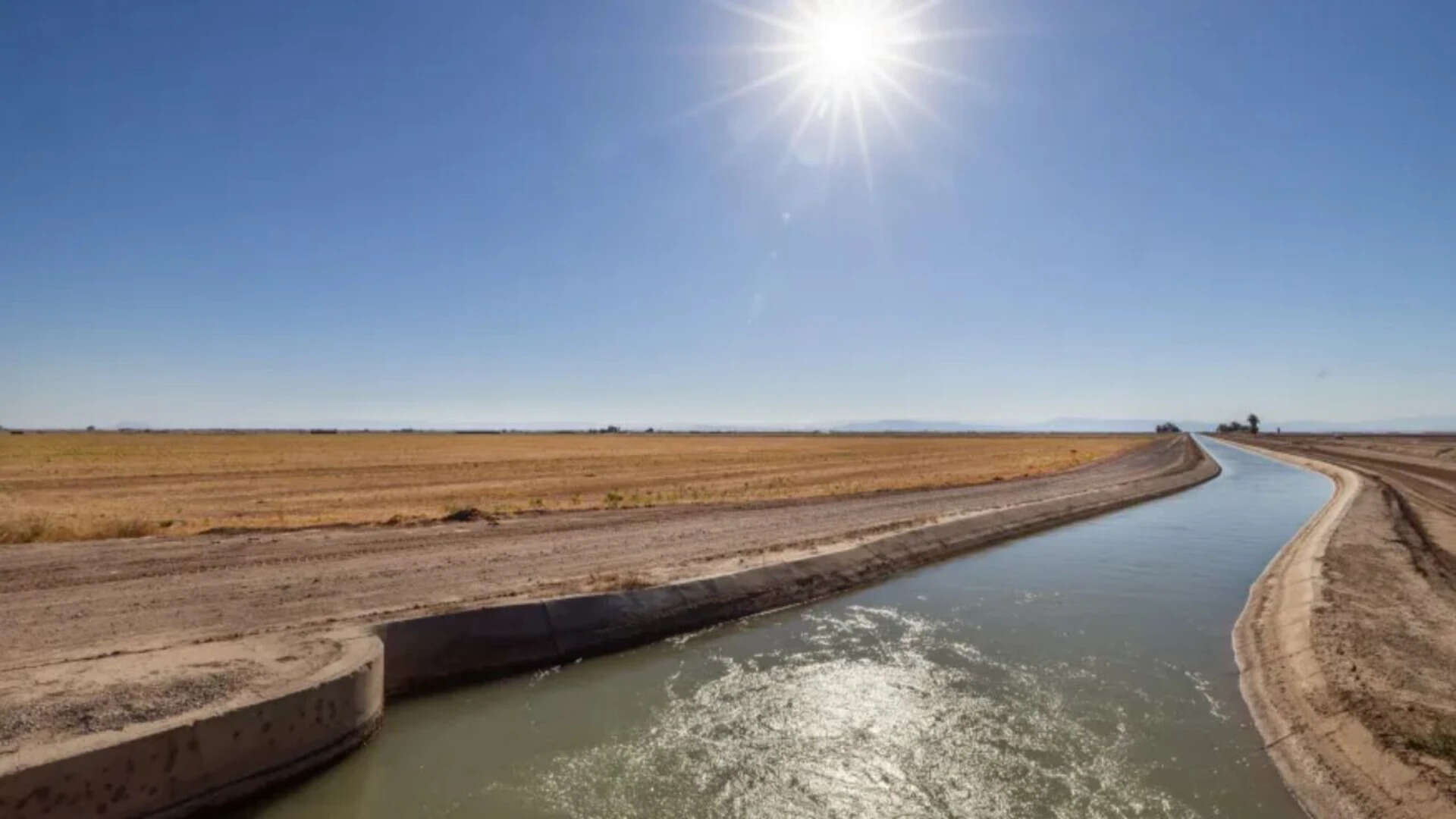
Big tech promised to keep heavy artificial intelligence infrastructure away from strained water supplies. That promise is already breaking down. A proposed 330-megawatt AI data center in California originally assured local officials it wouldn't touch the Colorado River system. Reality hit hard. Now, the project operators want roughly 260 million gallons of water every single year.
That shift exposes a massive blind spot in how modern computing infrastructure expands across the American Southwest. You hear about carbon footprints constantly. Water footprints rarely get the same attention. Yet cooling thousands of high-performance servers requires staggering amounts of liquid, and local municipalities are stuck footing the bill for resources that evaporate into thin air.
The Massive Thirst of Modern Computing
Training large language models takes an absurd amount of electricity. Running them 24/7 generates extreme heat. Servers cook themselves if they aren't chilled constantly.
Operators use massive evaporative cooling towers to keep temperatures down. Water absorbs the heat, cycles through the facility, and evaporates into the atmosphere. You cannot get that water back. It vanishes.
When a facility scales up to hundreds of megawatts, the consumption numbers skyrocket. We aren't talking about standard office building plumbing here. We are talking about industrial-scale consumption that rivals small towns.
Counties in California face impossible choices. Do they approve power-hungry tech hubs to boost local tax revenue, or do they protect fragile desert aquifers? Officials often chase the economic upside first. They figure out the resource crisis later.
Broken Promises on Desert Resources
Companies pitch these projects carefully. They use clever wording to avoid public backlash. When developers initially layout plans for heavy infrastructure, they point to closed-loop systems or recycled wastewater.
Then construction starts. Engineering realities set in. The sheer density of modern AI chips pushes thermal loads past initial projections. Operators go back to local water boards asking for expanded allocations.
The proposed 330-megawatt facility in California followed this exact playbook. The initial pitch sounded clean. No Colorado River water would be used. Local stakeholders breathed a sigh of relief. The Colorado River basin is already in historic crisis, over-allocated for decades among seven states and Mexico. Adding industrial strain to that system felt reckless.
Yet demand shifted the math. To secure the cooling capacity needed for peak AI workloads, the project pivoted toward resources tied directly or indirectly to strained regional supplies. Trust eroded instantly.
What This Means for Local Communities
If you live near a proposed tech hub, you need to look past the marketing brochures. Economic development teams love flashing job creation stats. They talk about high-paying engineering roles and community grants.
They rarely talk about infrastructure wear and tear. Water treatment plants age faster under industrial loads. Electricity grids experience severe stress during summer heatwaves when data center cooling demands peak right alongside residential air conditioning.
Citizens are starting to push back. Grassroots groups now attend water district meetings armed with spreadsheets. They track every acre-foot requested. They demand strict penalties for broken environmental assurances.
You can get involved locally. Attend planning commission hearings. Ask direct questions about peak water usage, not just yearly averages. Demand to see the engineering reports on wastewater recycling capabilities before permits get signed.
The expansion of artificial intelligence won't slow down anytime soon. Power grids will adapt. Water systems might not. Protecting local resources requires holding developers accountable from day one, long before the first server rack gets bolted to the floor.