A red container ship sways under the oppressive heat of the Bab-el-Mandeb Strait. On the bridge, a tired captain grips the radar console, his eye tracking a tiny, fast-moving blip on the digital display. It is not a storm. It is not a rogue wave. It is a low-cost, explosive-laden drone skimming above the salt foam, launched from a rocky outcrop hundreds of miles away in Yemen.
Thousands of miles across the ocean, a family sits at a kitchen table in Ohio, staring at their monthly grocery receipt, wondering why coffee, olive oil, and electronics keep quietly climbing in price. You might also find this connected story interesting: The Invisible Clock That Keeps the World Awake.
They do not know it yet, but their household budget is tethered to that digital blip on a radar screen halfway across the globe.
When conflict erupts in the narrow arteries of global trade, the world feels it instantly. The recent declaration from former U.S. President Donald Trump—warning Tehran of severe consequences if Houthi militia attacks on international shipping lanes persist—is not merely another volley in a long-standing diplomatic feud. It is a stark reminder that the invisible arteries of human survival are dangerously exposed, and the epicenter of responsibility points directly toward Iran. As extensively documented in latest articles by The Washington Post, the implications are worth noting.
The Narrow Bottleneck of Human Survival
To grasp the weight of this warning, standard geopolitical jargon must be stripped away. Mapmakers call it the Bab-el-Mandeb—the "Gate of Tears." It is a maritime bottleneck barely twenty miles wide at its narrowest point. Through this slender corridor of water passes nearly fifteen percent of all global seaborne trade, including millions of barrels of crude oil and trillions of dollars in commercial goods bound for everyday consumers.
When Houthi militants fire anti-ship missiles or deploy suicide drones into these waters, they are not simply target practicing at foreign vessels. They are severing a vital economic nerve.
Consider the physical reality of a container ship driver who must suddenly divert away from the Suez Canal. The alternative is simple, grueling, and immense: sail all the way around the southern tip of Africa, rounding the Cape of Good Hope.
That single detour adds ten to fourteen days to a vessel's journey. It burns thousands of extra tons of heavy fuel oil. It jacks up insurance premiums by hundreds of percent overnight.
Shipping firms do not absorb those costs out of goodwill. They pass them down the line. The factory owner pays more for raw components. The distributor pays more for freight. The local shopkeeper pays more for stock. Finally, the consumer pays more at the register.
A conflict in the desert becomes inflation in your pantry.
Shadows Behind the Trigger
The Houthis do not manufacture advanced anti-ship ballistic missiles in subterranean mountain workshops without help. Radar guidance systems, long-range attack drones, sophisticated telemetry gear—these tools of modern warfare require specialized technical expertise, heavy industrial production, and deep financial reserves.
Intelligence reports, maritime interceptions, and military assessments repeatedly trace the supply lines back to a single source: Tehran.
For years, the Iranian government has cultivated a network of regional proxies. By supplying arms, training, and strategic instruction to groups operating outside formal state structures, Iran achieves strategic leverage while maintaining plausible deniability. It is a calculation of asymmetric pressure.
Through this setup, a state actor can disrupt global commerce, rattle energy markets, and pressure Western allies—all while keeping its own domestic infrastructure safe from direct retaliation.
This asymmetry forms the core of the problem. When non-state actors operate with high-tech military hardware, conventional rules of deterrence crumble. Traditional diplomacy relies on the assumption that a government fears for its own ports, refineries, and power grids. But when the attack is launched by a proxy force operating out of fragmented territory, the proxy feels invincible, and the backer feels invisible.
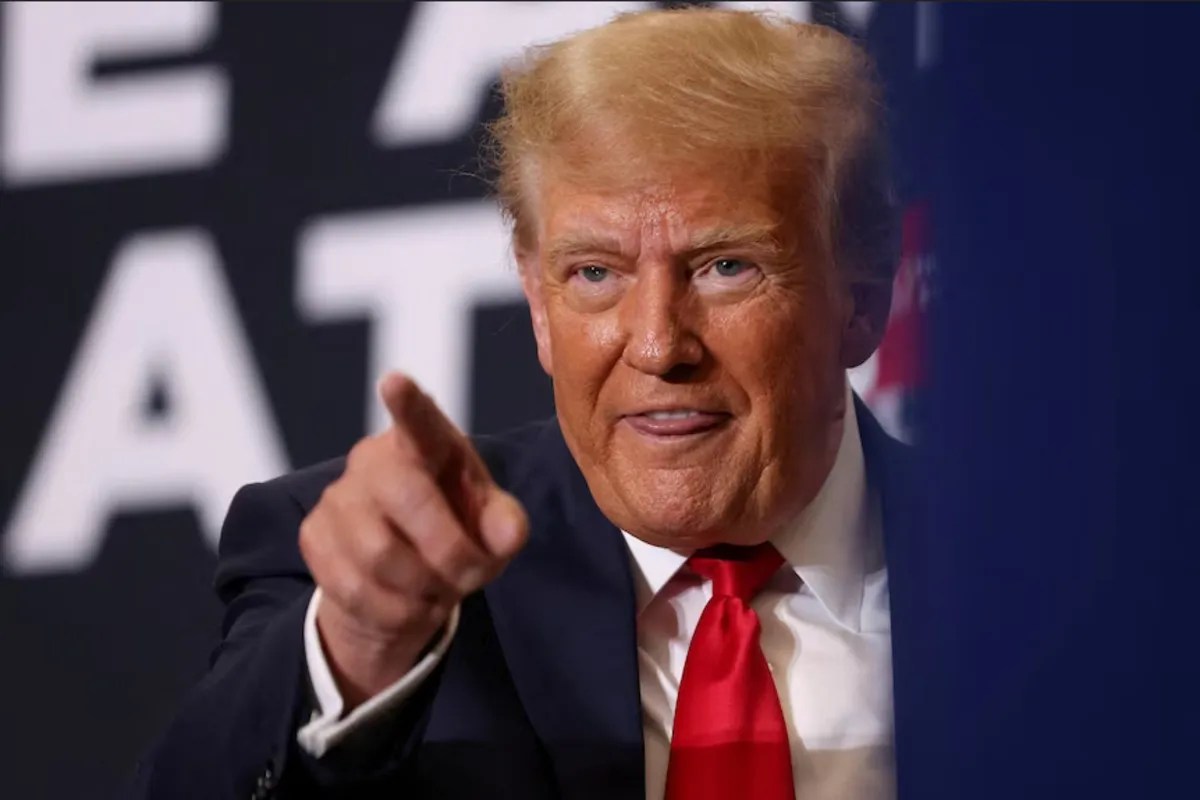
Trump’s recent public posture directly attacks that illusion. By explicitly stating that Iran will face direct and severe consequences if Houthi strikes continue, the narrative shifts entirely. The target is no longer just the hand holding the weapon; it is the mind directing the hand.
The Real Cost on the Deck
It is easy to analyze military strategy from climate-controlled offices in Washington, London, or Tehran. It is far harder to experience it on the deck of a cargo ship.
Imagine a twenty-two-year-old merchant mariner from the Philippines, working a four-month contract to send money home for his child's tuition. He did not sign up for combat duty. He wears a high-visibility vest and a hardhat, not body armor.
When an air-alarm siren wails across the steel deck at two in the morning, there are no defensive counter-missile batteries on his ship. There are no heavy armor plates guarding the living quarters. There is only cold, open water and the terrifying realization that his workplace has been converted into a theater of war.
Dozens of innocent sailors have been killed or injured in these strikes over recent months. Ships have burned. Cargo has been lost to the deep ocean.
This human toll extends far beyond sailors. Millions of people in East Africa depend directly on aid shipments carrying wheat and medical supplies routed through the Red Sea. When shipping lines refuse to enter these waters due to security threats, relief supplies sit idle in distant ports, leaving vulnerable populations stranded without essential food and medicine.
The chaos in the water ripples outward, hitting the poorest and most vulnerable first.
A Escalation Matrix No One Can Control
Deterrence is a fragile psychological contract. Once broken, restoring it demands immense clarity and unwavering force.
If the attacks on Red Sea shipping continue unchecked, the international community faces two brutal choices, both carrying immense danger.
Option one: Accept the disruption. Allow a vital global shipping lane to become a warzone, accepting permanently higher freight costs, shattered supply chains, and the terrifying precedent that rogue militias can held the global economy hostage at will.
Option two: Escalate the response. Move past intercepting incoming drones and begin striking the launch pads, command posts, and logistical networks that make those strikes possible.
The second option naturally carries the risk of a broader regional conflict. If strikes hit strategic assets belonging directly to the state supplying those weapons, the theater of conflict expands exponentially. Oil prices spike. Financial markets tremble. Military forces across the region move to high alert.
This is the razor's edge of modern geopolitics. Doing nothing invites endless disruption, while taking action risks direct military confrontation.
Trump’s posture seeks to bypass this dilemma by establishing a clear line: the proxy shield is revoked. If the attacks do not stop, the price will be exacted at the source.
The Weight of the Moment
History rarely moves in smooth, predictable lines. It surges forward in sudden, violent bursts triggered by miscalculations, missed warnings, and broken red lines.
The Red Sea crisis is not an isolated regional dispute happening in a distant corner of the world. It is a critical test case for the stability of global trade in the twenty-first century.
Can an open, interconnected global economy survive when key maritime choke points are targeted by proxy forces armed with precision weaponry? Or will the international community be forced to redefine the rules of engagement to protect the flow of daily life?
As naval vessels patrol the choppy waters of the strait and drone radars sweep the sky, the world sits in uncomfortable suspense. The message has been sent. The stakes have been clearly laid out.
On the open water, a cargo vessel pushes forward through the spray, its crew watching the horizon, waiting to see if words will finally bring peace—or if the flames on the water are about to ignite something far larger.


