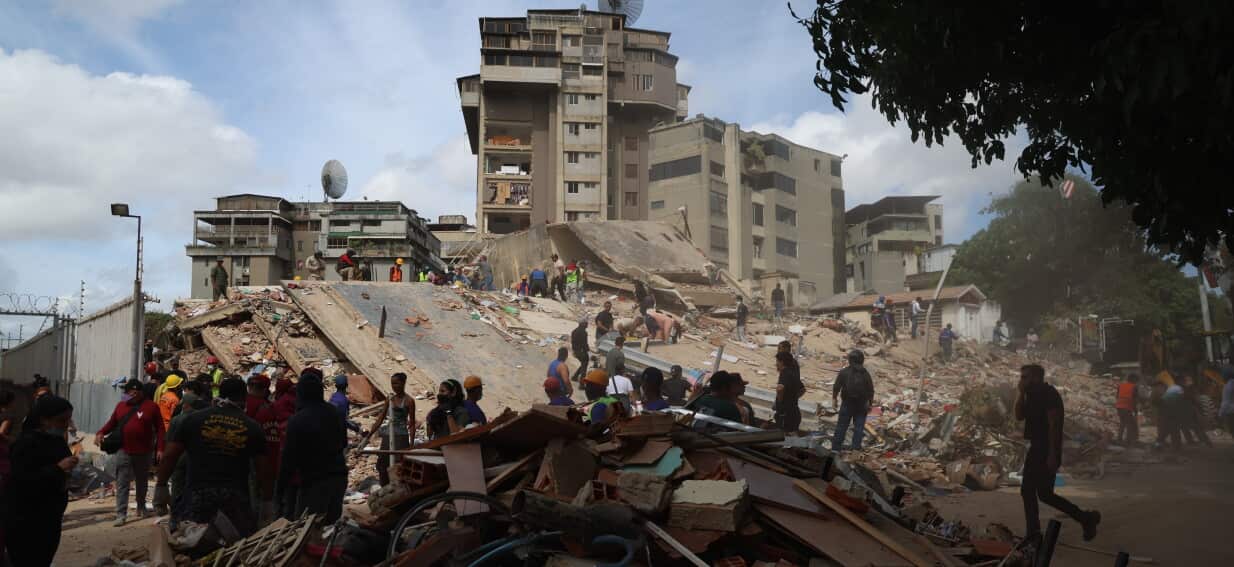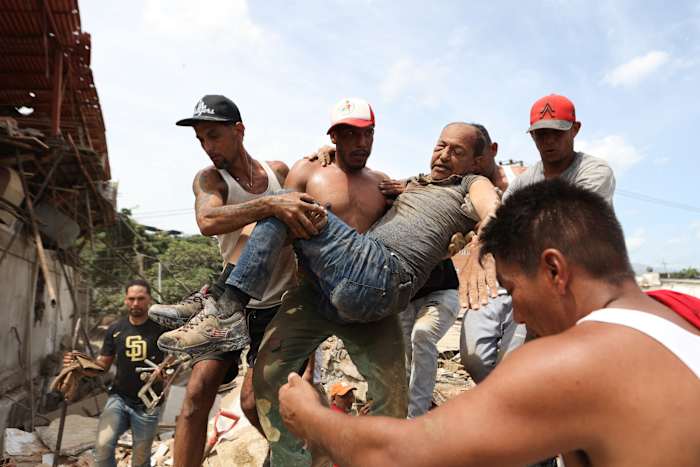
Two powerful earthquakes have struck Venezuela, leaving communities to dig through the rubble of collapsed buildings with their bare hands to find missing loved ones. While natural disasters are inherently unpredictable, the catastrophic scale of the destruction across the country is not an accident of nature. It is the direct consequence of a decades-long collapse in infrastructure, systemic corruption, and the total evasion of modern building codes. Emergency response teams have failed to materialize in the hardest-hit areas. The state possesses neither the heavy machinery nor the organized logistics required to handle a dual seismic crisis. As a result, the burden of rescue has fallen entirely on grieving neighbors and families who are fighting against time using shovels, buckets, and bare fingers.
The tragedy unfolding in Venezuela highlights a critical reality that geologists and structural engineers have warned about for a generation. Earthquakes kill people, but poorly constructed buildings and non-existent state emergency frameworks multiply that death toll exponentially.
Structural Decay Meets Seismic Reality
Venezuela sits directly along the boundary between the Caribbean and South American tectonic plates, a geological reality that makes seismic activity an inevitability rather than a surprise. The recent dual earthquakes ripped through regions that were already structurally compromised. Over the last twenty years, the country has undergone a massive shift toward informal housing, combined with a total lack of oversight in formal construction projects.
When economic collapse took hold, standard building materials like specialized rebar and high-grade concrete became luxury items. Builders, both public and private, began cutting corners. They substituted substandard materials and ignored the strict seismic reinforcement laws established in the late twentieth century. In the capital and surrounding provinces, millions of people live in multi-story brick and mortar structures built on steep, unstable hillsides without a single engineered column to support them.
When the ground shook, these structures did not flex. They pancaked.
The mechanism of a pancake collapse is brutal. The load-bearing walls fail instantly, causing upper floors to drop directly onto the floors below with cumulative weight. This leaves virtually no void spaces for survival. In a properly regulated environment, buildings are designed with ductile detailing. This means the joints can bend and absorb seismic energy without causing a total structural failure. In Venezuela, that engineering concept exists only on paper.
The Empty Shell of Civil Defense
In the immediate aftermath of a major earthquake, the first seventy-two hours are critical for saving lives. Specialized search and rescue teams rely on acoustic listening devices, thermal imaging cameras, and heavy lifting equipment to locate and extract survivors from collapsed concrete.
None of these tools are present in the current crisis zone.
The country's national emergency management agency, Protección Civil, has been systematically hollowed out by hyperinflation, lack of funding, and political appointments. Fire departments lack functioning trucks, and many municipal rescue teams do not even have fuel for their vehicles. The few heavy cranes that exist in the country are concentrated in state-controlled oil facilities or private enterprises, completely divorced from civilian rescue pipelines.
This operational vacuum has forced ordinary citizens to act as first responders. Neighbors are forming human chains to move pieces of concrete that weigh hundreds of pounds. They are using car jacks to prop up unstable slabs, risking their own lives as aftershocks continue to rattle the region.
It is a desperate strategy, and it is largely ineffective against heavy reinforced concrete. Without mechanical cutting tools to slice through twisted rebar, civilians can only watch as the window for survival closes for those trapped beneath the heavy debris.
The Mirage of Economic Recovery
For the past few years, a narrative of economic stabilization has been pushed by both the state and certain international observers, pointing to the dollarization of the economy and the construction of luxury high-rises in select pockets of Caracas. This disaster exposes that narrative as a dangerous illusion.
The wealth generated in recent years has not reached public infrastructure. While private enclaves feature glittering glass facades, the public electrical grid, water distribution systems, and medical networks remain completely broken. The earthquakes immediately severed power to the affected regions, plunging hospitals into darkness and knocking out water pumps.
Surgeons in regional clinics have been forced to perform emergency procedures using smartphone flashlights, lacking running water to sanitize instruments or operational generators to run ventilators. The blood supply chains are non-existent. Medical transport is crippled because ambulances are broken down or lack basic medical consumables like IV fluids and oxygen.
This is the true cost of structural neglect. The collapse of the state medical infrastructure means that even those extracted from the rubble with survivable injuries face a high probability of death due to the lack of secondary medical care.
Geopolitics Over Human Lives
International aid offers a potential lifeline, yet history shows that geopolitical friction frequently obstructs humanitarian deployment in Venezuela. Neighbors like Colombia and various international disaster response units possess the exact urban search and rescue expertise required to navigate pancake collapses.
However, entering the country requires state authorization, bureaucratic clearance, and security guarantees that are rarely granted with the necessary speed. The state has historically viewed international disaster relief with suspicion, often treating foreign aid workers as potential security threats rather than emergency personnel.
While political leaders debate sovereignty and foreign policy, the concrete is hardening around those trapped underneath. Every hour spent negotiating visas or transport logistics cuts into the survival rate of the victims.
Accountability in the Dust
When the dust finally settles and the casualties are counted, the official narrative will undoubtedly blame the unalterable fury of nature. This explanation must be rejected. The vulnerability of these communities was entirely manufactured through systemic corruption, the destruction of institutional capability, and an absolute disregard for safety standards.
The families digging through the debris in Venezuela are not just victims of an earthquake. They are victims of a state that abandoned its fundamental duty to protect its citizens long before the ground ever started to shake.