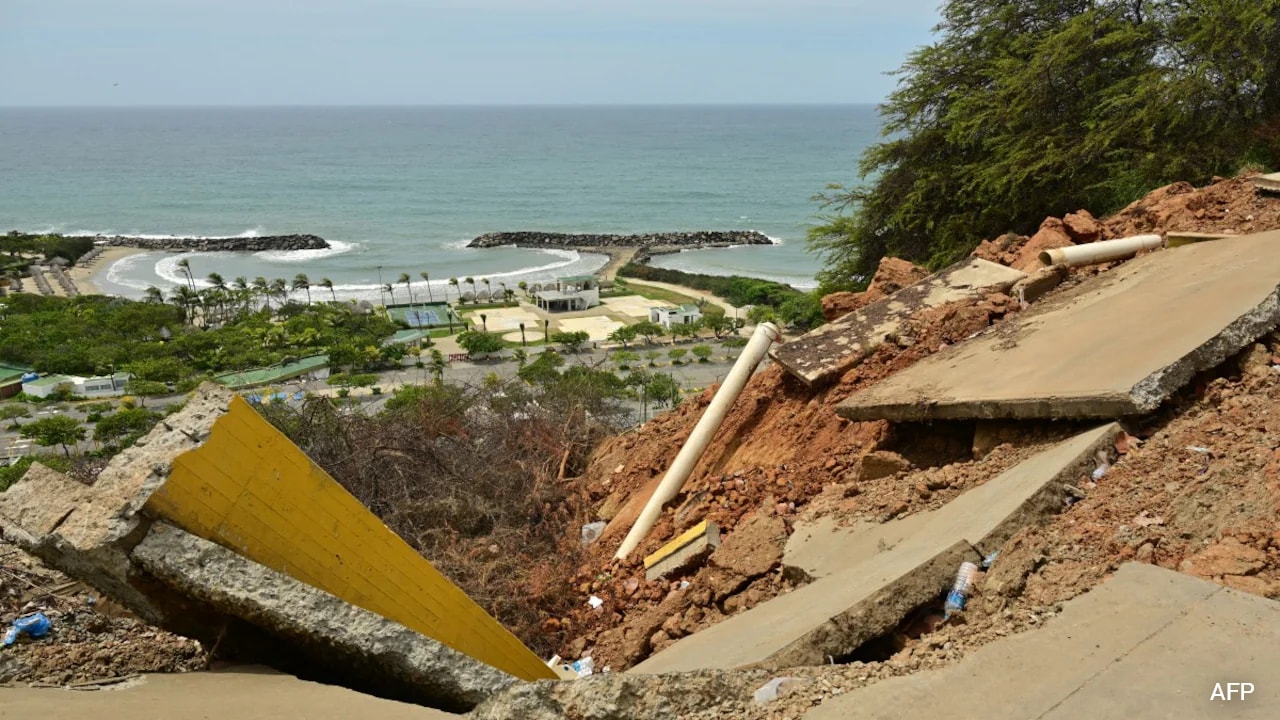
A catastrophic earthquake has struck Venezuela, leaving a staggering toll of 3,889 confirmed dead and nearly 17,000 injured. The disaster has instantly crippled the region's infrastructure, overwhelming local emergency services and triggering a severe humanitarian crisis. While early reports focus strictly on the rising casualty numbers, the true scale of this tragedy extends far beyond the seismic shock itself. The catastrophic fallout is the direct result of long-term infrastructure neglect, severely compromised building standards, and a medical system that was already operating on the brink of collapse before the ground ever shook.
When a major fault line slips, the immediate physical destruction is only the first wave of the disaster. The secondary crisis—the one currently unfolding across Venezuela's hardest-hit municipalities—is entirely man-made. Decades of economic instability have left the nation’s cities uniquely vulnerable to seismic activity. Engineers and structural analysts have warned for years that modern building codes were routinely ignored in urban expansions, leaving millions of residents living in high-rise death traps.
How Structural Neglect Multiplied the Casualty Toll
Earthquakes do not kill people; collapsing buildings do. In the capital and surrounding provinces, the devastation reveals a stark divide between structures built to survive seismic activity and those thrown up during periods of unregulated urban growth.
Public housing projects and informal settlements built on unstable hillsides bore the brunt of the initial shockwave. Many of these structures lacked basic steel reinforcement, causing them to pancake instantly when the tremors began. This structural failure trapped thousands of victims beneath layers of heavy, unreinforced concrete, making immediate rescue operations nearly impossible without specialized heavy machinery.
Furthermore, municipal oversight has been virtually non-existent for over a decade. Local building inspectors, plagued by low wages and systemic corruption, routinely approved projects that failed to meet basic safety thresholds. The result is a built environment where even a moderate tremor could cause widespread failure, let alone a major seismic event of this magnitude.
The Collapse of an Already Broken Healthcare Grid
The 17,000 injured survivors face a secondary threat that may prove just as lethal as the initial earthquake: a healthcare system devoid of basic supplies. Prior to the disaster, regional hospitals were already facing chronic shortages of antibiotics, sterile bandages, and reliable electricity.
Now, with thousands of trauma patients flooding emergency rooms, the medical grid has completely fractured. Doctors are forced to perform complex surgeries by flashlight, utilizing makeshift triage centers set up in parking lots because the hospital buildings themselves are structurally compromised.
- Grid Failure: Power outages have knocked out backup generators in multiple facilities, disabling life-support systems and refrigeration for blood banks.
- Supply Depletion: Essential surgical tools and anesthetics were completely exhausted within the first six hours of the influx of patients.
- Staff Exhaustion: Medical personnel, many of whom were already underpaid and overworked, are pulling 48-hour shifts without adequate clean water or food.
International aid organizations are attempting to route field hospitals and emergency medical supplies into the country, but logistics have ground to a halt. Major highways connecting the ports to the interior are blocked by massive landslides, and several key bridges have suffered critical structural failures, severing the lifelines needed to keep survivors alive.
The Broken Mechanics of Disaster Response
A rapid emergency response relies entirely on clear communication networks and centralized command. In this instance, the national emergency management infrastructure failed almost immediately. Cellular towers toppled across the impact zone, cutting off first responders from regional command centers and leaving local communities entirely isolated.
Heavy rescue equipment is tied up in bureaucratic red tape at national border checkpoints, delayed by officials demanding paperwork that is impossible to produce in the middle of a nationwide blackout. This logistical paralysis means that the golden window for pulling survivors from the rubble—typically the first 72 hours—has largely slammed shut. Citizens are left to dig through the debris with their bare hands, using shovels, car jacks, and sheer muscle to reach trapped relatives.
Geopolitical Standoffs Complicate the Rescue Effort
The tragedy is further exacerbated by ongoing political friction between Venezuela's leadership and Western nations. While neighboring South American countries have dispatched search-and-rescue teams, larger packages of heavy financial and technical aid are stalled in diplomatic limbo.
The government remains hesitant to grant open-sky access to foreign military transport planes, fearing a breach of sovereignty, while international donors hesitate to release funds directly to state agencies due to concerns over mismanagement. This geopolitical chess match is being played out while thousands of injured citizens remain exposed to the elements, without access to clean drinking water, raising the immediate risk of waterborne disease outbreaks like cholera.
The numbers will continue to rise. Every hour that passes without coordinated heavy lifting equipment, clean water distribution, and sterile medical supplies guarantees that more names will be added to the official death toll. This disaster was predicted by experts for a generation, yet the warnings were systematically ignored in favor of short-term political expediency. The true tragedy is not the movement of the earth, but the deliberate vulnerability of the people forced to live upon it.