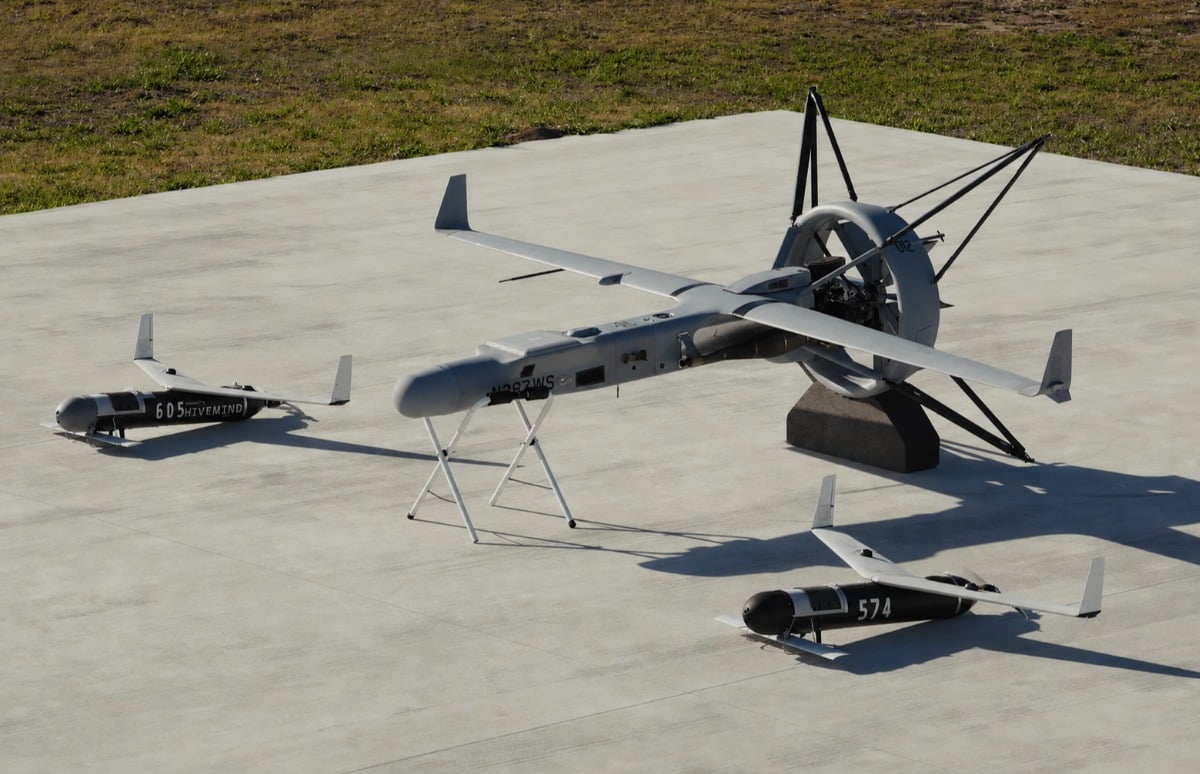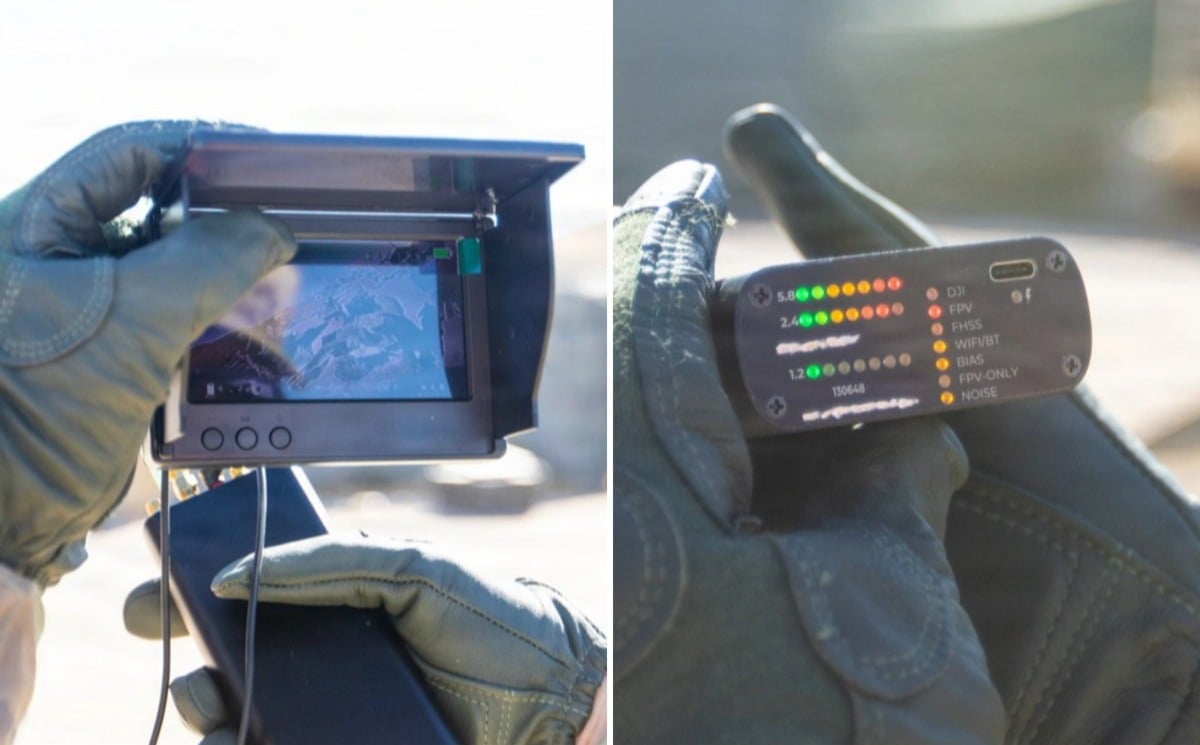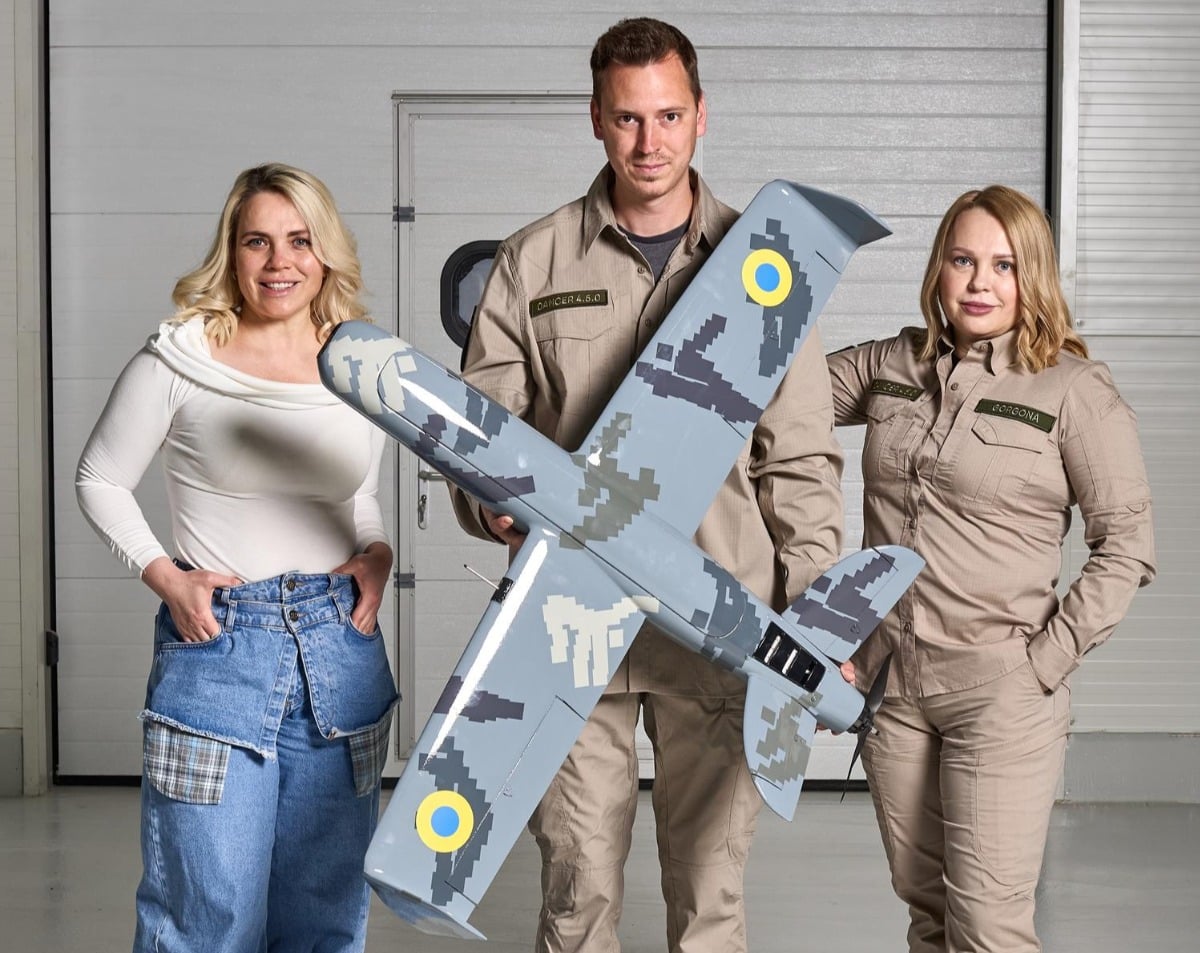
Low-altitude warfare over Ukraine has triggered a terrifying evolutionary leap in automated weaponry. Ukrainian defense technology firms are shifting from remote-controlled quadcopters to fully autonomous drone hunters designed to track, pursue, and re-engage aerial targets until they achieve a confirmed strike. Driven by the systematic jamming of radio frequencies, this transition removes human decision-making from the terminal phase of interception. While early tech industry reports paint these machine-vision interceptors as a clean solution to the persistent threat of Russian reconnaissance drones, the reality on the front lines reveals a messy, resource-intensive technological arms race fraught with hardware limitations and severe operational risks.
The Radio Silence Dictating the Automated Skyscape
Electronic warfare has rendered traditional radio-controlled interception nearly obsolete. In active combat zones like the Donbas, Russian electronic countermeasures create localized dead zones where signals between a human pilot and a drone are instantly severed. When a pilot loses the video feed, a standard drone becomes blind and useless.
To bypass this invisible wall, Ukrainian engineers are moving the brain of the aircraft entirely onboard. These new drone hunters do not rely on a persistent data link or satellite navigation. Instead, they utilize localized optical recognition algorithms running on low-power microchips mounted directly to the drone chassis.
The operational workflow operates on a strict sequence of automation. A human operator utilizes standard thermal imaging or radar to identify an incoming enemy reconnaissance drone, such as an Orlan-10 or Zala. The pilot launches the interceptor and steers it toward the general vicinity of the target. Once the onboard camera catches sight of the enemy aircraft, the human pilot presses a button to lock the system. At that exact moment, the human steps away. The onboard computer takes total control of the flight surfaces, calculating the intercept trajectory entirely in real-time local processing.
The Architecture of Persistent Re-Engagement
What separates this specific class of drone hunter from previous iterations is its programmed persistence. Older automated interceptors executed a single high-speed pass; if they missed due to a sudden gust of wind or a defensive maneuver, the mission failed. The newer software architectures introduce a continuous closed-loop feedback mechanism.
If the drone hunter misses its target on the initial dive, the onboard machine-vision system does not disengage. It immediately calculates a bank-and-turn maneuver to re-acquire the target within its visual field. The algorithm treats the missed strike as a temporary telemetry deviation. It recalibrates the intercept angle, accelerates, and strikes again. It repeats this cycle until it triggers a detonation or exhausts its battery life.
Achieving this level of autonomy requires a delicate balance of processing weight and physical aerodynamics.
- Onboard Vision Processing Units (VPUs): Engineers utilize compact, low-voltage processors that run highly compressed neural networks capable of identifying specific shapes against the complex visual noise of clouds, glare, and ground terrain.
- Optical Tracking Software: The software maps high-contrast edges and vector motion to distinguish a Russian reconnaissance drone from a bird or a piece of debris.
- Dynamic Flight Control Integration: The flight controller must translate pixel deviation on the camera sensor into immediate, aggressive physical adjustments of the rotor speeds or wing flaps.
The Unforgiving Physics of Battery and Payload
Despite the impressive nature of the software, the physical realities of the battlefield present severe challenges. Battery density remains the ultimate bottleneck for any multi-rotor interceptor platform. A drone hunter carrying an explosive payload requires immense power to execute high-speed, high-G turns during a re-engagement cycle.
Consider a hypothetical scenario where an interceptor misses an Orlan-10 drone on its first attempt. The target is moving at 110 kilometers per hour. The interceptor must expend a massive burst of current to stop its forward momentum, reverse direction, climb above the target, and dive again. This single correction can drain a standard lithium-polymer battery by 15 to 20 percent. If the drone misses twice, it rarely possesses the residual energy required for a third attempt, effectively turning a highly sophisticated piece of technology into a falling piece of expensive hardware.
Weight optimization further complicates production. Adding a larger battery increases flight time but degrades agility. A heavier drone cannot turn sharply enough to catch a maneuvering target. Conversely, stripping weight reduces the explosive payload, meaning a successful hit might only damage a wing rather than completely destroying the threat.
The Fragmented Production Pipeline
The narrative of a unified, high-tech industrial base churning out thousands of identical autonomous hunters is an illusion. The Ukrainian defense sector operates as a decentralized network of small private firms, volunteer engineer collectives, and makeshift workshops hidden in civilian infrastructure.
[Initial Ground Radar/Thermal Detection]
                  │
                  ▼
[Manual Launch and Vectoring by Human Pilot]
                  │
                  ▼
[Onboard Machine-Vision Target Lock Granted]
                  │
                  ▼
┌─────────────────┴─────────────────┐
│  Autonomous Terminal Pursuit      │
└─────────────────┬─────────────────┘
                  ▼
         [Strike Attempt]
          /\         \
         /  \         \
    (Hit)    (Miss)    \ (Battery Dead)
     /          \       \
    ▼            ▼       ▼
[Target     [Automatic  [Crash/
Destroyed]   Re-Engage   Mission Failure]
             Loop]
This fragmentation creates severe inconsistencies in quality control and component sourcing. One batch of drone hunters might utilize a highly efficient western-manufactured processor, while the next batch, produced just weeks later, must rely on a less efficient alternative sourced through third-party distributors in Asia due to supply chain disruptions.
Software updates are similarly disorganized. Code optimization patches are frequently distributed via encrypted messaging channels directly to front-line units, who must flash the firmware onto the drones in muddy dugouts. This lack of standardization means that two interceptors deployed on the same day by different units can exhibit wildly different flight behaviors and target-acquisition reliability.
The Silent Threat of False Positives
Removing the human from the loop during the final attack phase introduces a major risk of friendly fire. The airspace over Ukraine is incredibly crowded. At any given moment, multiple tiers of friendly and hostile drones are operating within the same square kilometer.
Current machine-vision systems identify targets based on shape, silhouette, and relative speed. They lack sophisticated, lightweight identification friend-or-foe (IFF) transponders due to cost, weight, and signal emissions that enemy forces can track. If a Ukrainian autonomous drone hunter misses its intended Russian target and veers into an area where a friendly Ukrainian surveillance drone is operating, the algorithm can easily lock onto the friendly asset. The machine does not know the difference; it only sees a shape that matches its programmed target profile.
The Electronic Evolution of the Countermeasure
Russia is not standing still while these autonomous systems deploy. The moment automated interceptors began appearing on the battlefield, Russian forces began altering their operational tactics and hardware configurations.
Visual Deception and Camouflage
Russian drone operators are experimenting with non-reflective coatings, disruptive camouflage paint schemes, and decoy geometry attached to the frames of their reconnaissance aircraft. By breaking up the distinct silhouette of an Orlan or Zala drone, they can cause the Ukrainian machine-vision algorithm to lose its lock or fail to recognize the object entirely.
Localized Kinetic Defense
Some Russian surveillance assets are beginning to carry primitive rear-facing countermeasure systems. These range from simple smoke-generation pods designed to blind the pursuing drone's optical camera to small, trailing nets intended to foul the rotors of an overtaking interceptor.
Frequency Shifting and Spoofing
While the terminal phase of the hunt is autonomous, the initial launch and vectoring still rely on human inputs. Russian electronic warfare units are continuously shifting their jamming profiles to target the specific frequencies used during the deployment phase, attempting to disable the interceptor before it can ever achieve an autonomous optical lock.
The Industrialization of the Attrition Cycle
The war in Ukraine has proven that premium, exquisite weapon systems cannot survive an extended conflict of attrition. Success does not belong to the entity with the most advanced single piece of technology; it belongs to the entity that can manufacture functional technology at the lowest cost and highest volume.
For autonomous drone hunters to fundamentally alter the strategic balance of the air war, Ukrainian developers must move past the boutique workshop model. They face the monumental task of standardizing hardware, locking down secure component pipelines, and automating the assembly of the drones themselves. Until these interceptors can be produced by the tens of thousands with uniform performance metrics, they will remain a highly specialized tactical tool rather than a comprehensive shield against aerial surveillance. The software has broken through the constraints of electronic warfare, but the factory floor remains the ultimate arbiter of success.