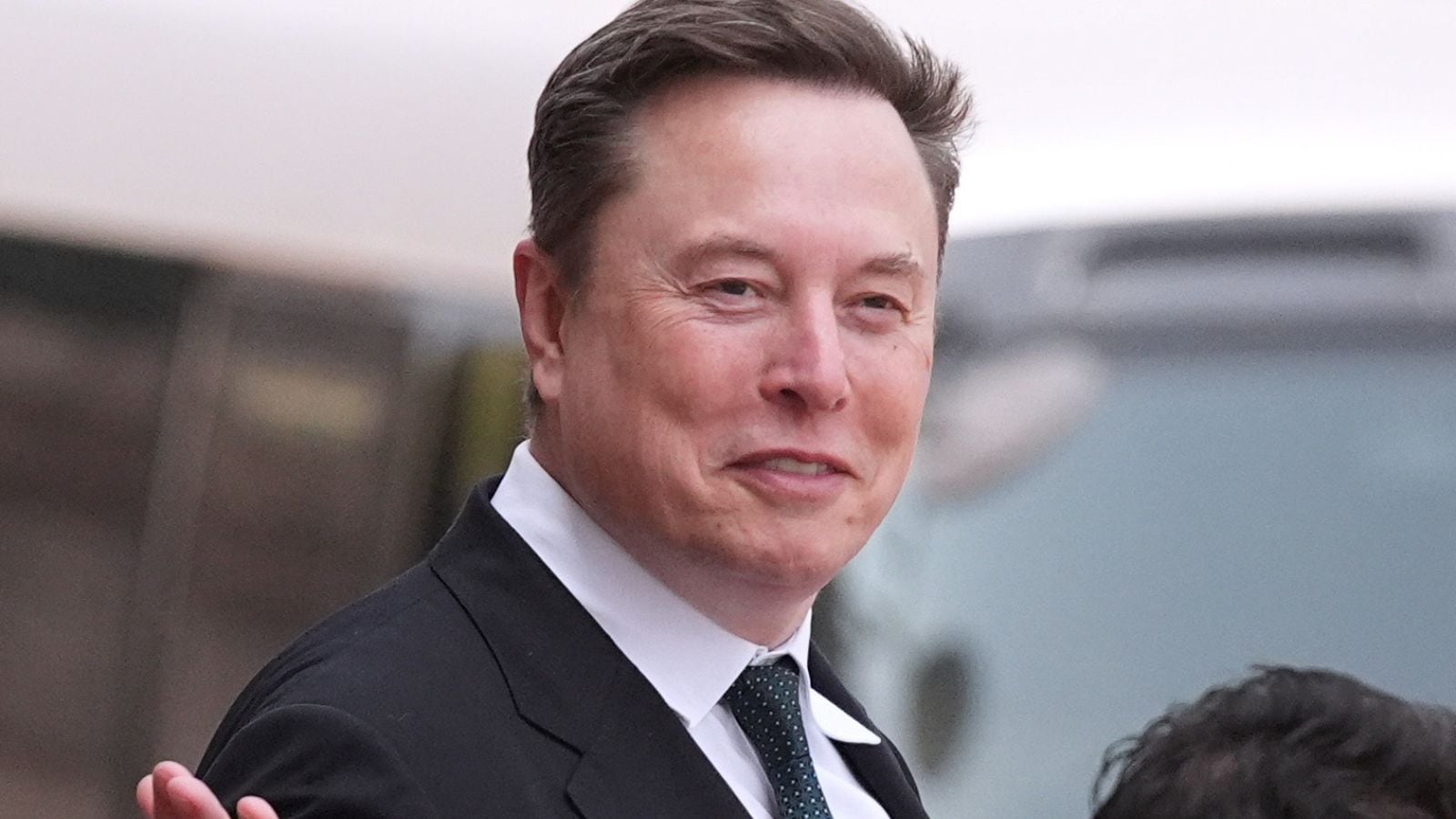
Shadow financial markets are pricing an aggressive 35 percent premium on SpaceX shares ahead of its public debut, indicating a staggering market value of $2.4 trillion. While standard headlines paint this grey-market surge as simple euphoria for Elon Musk’s aerospace giant, the underlying mechanics reveal a much more complex, risk-laden reality. Institutional grey-market derivatives, such as those traded via IG International, have pushed expectations well past the official initial public offering price of $135 per share. Retail investors rushing to chase this 35 percent pop are walking into a meticulously constructed financial ecosystem where rocket engineering is increasingly overshadowed by massive artificial intelligence infrastructure costs.
The gap between private valuations and public market expectations has widened at an unprecedented pace. Just six months ago, a December 2025 internal tender offer priced SpaceX at roughly $800 billion, which translates to $84 per share after accounting for the subsequent 5-for-1 stock split executed on May 4, 2026. The official IPO price of $135 represented a 61 percent premium over that December anchor, valuing the company at $1.77 trillion. The current shadow market push to $180 per share means the company's valuation has effectively tripled in less than half a year.
The Subsidized Rocket Engine
A look at the newly public S-1 financials shows that the core launch business cannot support a multi-trillion-dollar valuation on its own. Starlink is the clear operational engine driving top-line revenue, accounting for $11.4 billion of the company's $18.7 billion total revenue in 2025. This satellite internet segment commands a high 63 percent adjusted EBITDA margin, scaling up to more than 10.3 million global subscribers by early 2026.
However, aggressive user acquisition has severely diluted unit economics. Average revenue per user dropped from $99 per month in 2023 to just $66 in the first quarter of 2026. SpaceX is deliberately trading premium pricing for global market share. The revenue generated by Starlink terminals is currently being redirected into an entirely different, highly capital-intensive sector.
The Massive Outlays for Artificial Intelligence
The true driver of the recent valuation spike is not aerospace development, but the corporate integration of xAI, which was merged into SpaceX in February 2026 at a combined baseline valuation of $1.25 trillion. This corporate restructuring added tremendous infrastructure costs to the balance sheet. Out of $20.7 billion in total capital expenditures during 2025, SpaceX directed $12.7 billion entirely toward artificial intelligence infrastructure, highlighted by the Colossus data center cluster in Memphis.
These investments have significantly impacted the company's net profitability. While SpaceX recorded a standalone net profit of $791 million in 2024, the combined entity posted a massive GAAP net loss of $4.94 billion for full-year 2025. The cash burn has accelerated sharply, with the first quarter of 2026 alone producing a net loss of $4.28 billion. The AI segment operates at a quarterly loss of roughly $2.5 billion, leaving the consolidated company with a total accumulated deficit of $41.3 billion.
The Mechanics of the Float
Public investors are bidding on a remarkably small slice of the corporate pie. The history-making $75 billion capital raise represents the sale of 555.6 million shares, which accounts for only 4.3 percent of the total equity in the company. By floating such a small percentage, the corporate structure allows a tiny volume of public trading to dictate the public market value of a $1.75 trillion organization.
Furthermore, index inclusion rules will soon force institutional exchange-traded funds and passive mutual funds to acquire these shares regardless of price, adding structural buying pressure. This forced institutional demand is clashing directly with a restricted supply of shares, creating an artificial upward pressure that shadow market traders are aggressively front-running.
Debt Obligations and Corporate Governance
The financial structure carries clear immediate pressures. The prospectus discloses $29.1 billion in total long-term debt as of March 2026, including a massive $20 billion short-term bridge loan that must be paid back within six months of the listing. A substantial portion of the $75 billion raised from public investors will go directly toward debt clearance rather than funding new orbital infrastructure or deep-space exploration.
Control over the company remains completely centralized. Elon Musk retains 42 percent of the equity but wields 85 percent of the total voting power through super-voting share structures. Public shareholders are providing massive amounts of capital while receiving virtually no say in corporate direction. The shadow market's 35 percent premium reflects intense demand for a highly restricted asset, but public investors must weigh that momentum against multi-billion-dollar quarterly AI losses and a highly leveraged capital structure.