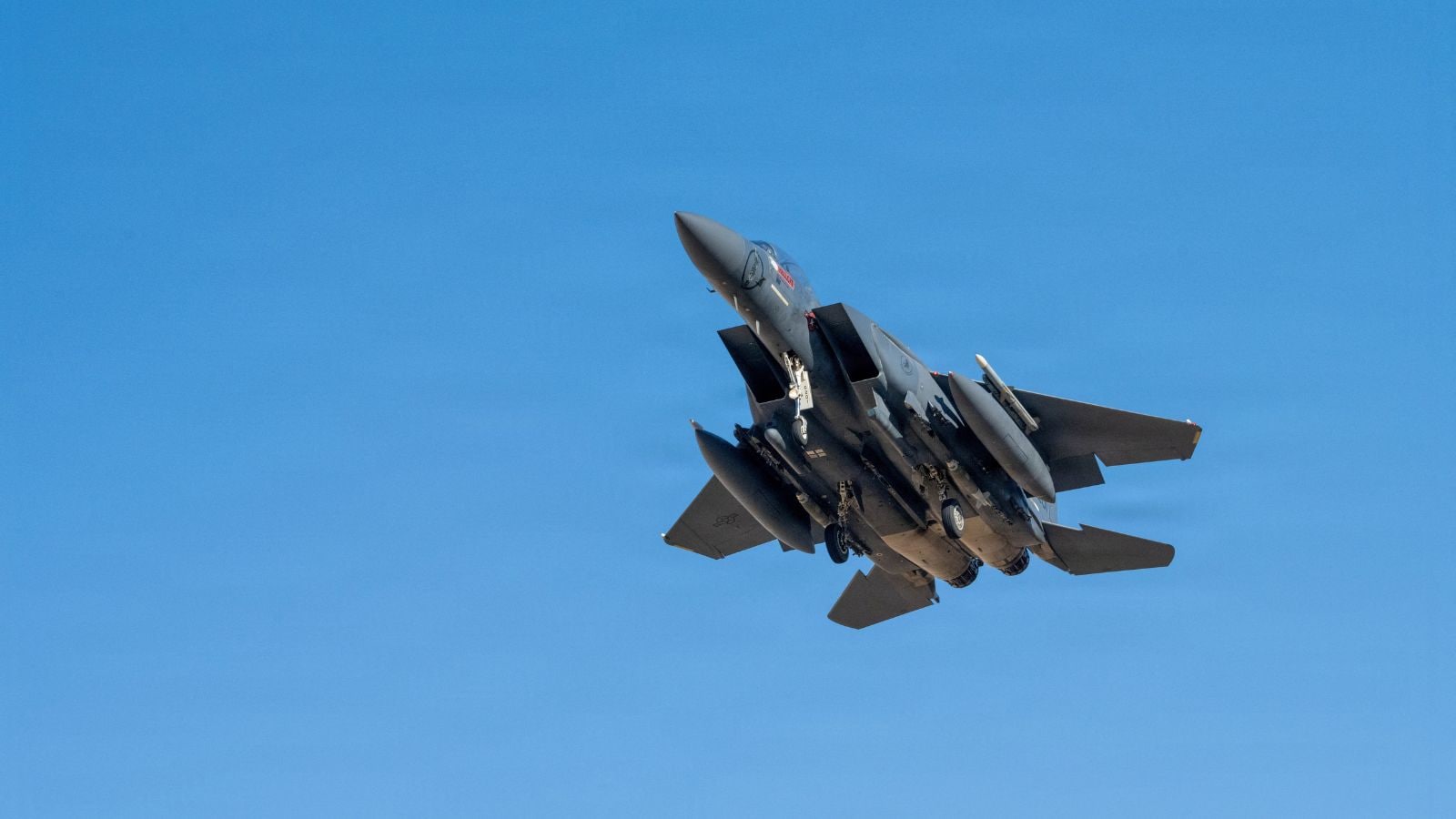
A recent congressional assessment detailing the hypothetical loss of 42 advanced aircraft and $29 billion in a theoretical conflict in the Middle East has sent shockwaves through Washington. Yet, the panic gripping the halls of the Capitol misses the point entirely. The stated dollar figures and airframe losses are merely symptoms. The real crisis facing the United States military is an unsustainable procurement strategy and a broken logistics network that prioritizes sophisticated hardware over actual combat sustainability.
For decades, the defense establishment has operated under the assumption that technological superiority guarantees short, decisive victories. Reality is far messier. When modern airpower faces layered integrated air defense systems, the math changes instantly. The issue is not that American aircraft are poorly designed. The issue is that the infrastructure required to keep them airborne is fragile, over-centralized, and deeply vulnerable to attrition.
The Flawed Math of High Tech Attrition
Modern warfare eats hardware at an alarming rate. During intense simulated combat exercises against peer or near-peer adversaries, the depletion of precision-guided munitions and the degradation of stealth coatings occur within days, not weeks. The congressional report highlights the loss of 42 aircraft, but it fails to emphasize that replacing those specific platforms takes years, not months.
Production lines for fifth-generation fighters like the F-35 are highly complex and rely on fragile, global supply chains. If a wing component requires specialized rare-earth elements sourced from a single overseas mine, the entire assembly line grinds to a halt. The United States no longer possesses the industrial capacity to rapidly replace capital losses during a prolonged conflict.
This is the vulnerability of the boutique arsenal. When you build incredibly expensive, highly specialized platforms, you can only afford to buy them in limited numbers. Each loss is a catastrophic blow to total operational capacity.
The Low Observable Maintenance Trap
Stealth is not a set-it-and-forget-it technology. It is a temperamental, high-maintenance requirement that demands climate-controlled hangars and specialized technician hours for every single flight hour. In a high-intensity theater, those climate-controlled hangars are the first things to be targeted by long-range ballistic and cruise missiles.
Without specialized facilities, the radar-absorbent materials on modern aircraft degrade rapidly. A stealth fighter with compromised skin is simply a very expensive conventional fighter, visible to long-range tracking radar. The Pentagon has spent billions acquiring platforms that depend entirely on pristine conditions to operate at peak efficiency.
The Logistic Chains That Form the Weakest Link
Amateurs talk about tactics while professionals study logistics. That old military adage has never been more relevant, or more ignored. The current American defense posture relies on massive, centralized logistics hubs located well within the striking distance of modern missile arsenals.
Consider the distribution of aviation fuel and spare parts. A fifth-generation fighter squadron requires a constant stream of specialized computer servers, diagnostic equipment, and highly refined fuel. If a single logistics node or regional supply depot is neutralized, multiple squadrons are effectively grounded without a single enemy missile hitting an aircraft.
- Centralized Depots: High-value targets that are easily mapped by civilian satellite imagery.
- Specialized Test Equipment: Rare, expensive machinery that cannot be easily replicated or moved in a hurry.
- Contractor Dependency: A growing reliance on civilian technicians who may not be available or willing to operate in active combat zones.
This reliance on civilian contractors for software updates and advanced maintenance creates a massive operational vulnerability. In a scenario where communication networks are degraded or actively jammed, an aircraft that requires a digital handshake with a server in Texas to clear a maintenance fault becomes an expensive paperweight on a tarmac thousands of miles away.
Diverting Billions to the Wrong Priorities
The $29 billion price tag mentioned in recent oversight discussions is a distraction from the larger systemic waste. The United States spends more on defense than the next several nations combined, yet it consistently struggles with mission capability rates. A significant portion of the defense budget is swallowed by bureaucratic overhead and endless upgrade cycles designed to fix design flaws in existing platforms.
We see a repeatable pattern. A program is launched with massive promises. Costs spiral out of control. The total number of planned purchases is cut to save money, which drives the per-unit cost even higher. To justify the massive expenditure, the Pentagon brands the platform as a vital asset that cannot be allowed to fail, leading to risk-averse deployment strategies.
This risk aversion defeats the entire purpose of maintaining a global power projection capability. If an asset is too expensive to lose, it is too expensive to use.
Rebuilding Industrial Mass Over Technological Complexity
To reverse this decline, the defense establishment must shift its focus from exquisite technology to industrial mass and resilience. This does not mean abandoning advanced capabilities entirely, but rather balancing them with attritable, modular systems that can be manufactured at scale.
Autonomous systems and low-cost uncrewed aerial vehicles offer a glimpse of a more sustainable strategy. These platforms do not require decades of pilot training or pristine maintenance facilities. More importantly, losing dozens of them in a week does not trigger a national security crisis or a congressional investigation.
The current procurement system is legally and culturally incapable of making this shift quickly. Bureaucratic regulations favor established defense giants who specialize in drawing out long, costly development cycles. Smaller, innovative firms that build cheaper, iterative tech are routinely choked out by the Pentagon's rigid budget timelines.
The shock of losing dozens of aircraft and tens of billions of dollars in a simulated engagement should serve as an eviction notice for old ways of thinking. If the United States continues to prioritize the acquisition of a few fragile masterpieces over a resilient, deeply stocked, and easily replaceable arsenal, the theoretical losses detailed in Washington will become historical fact.