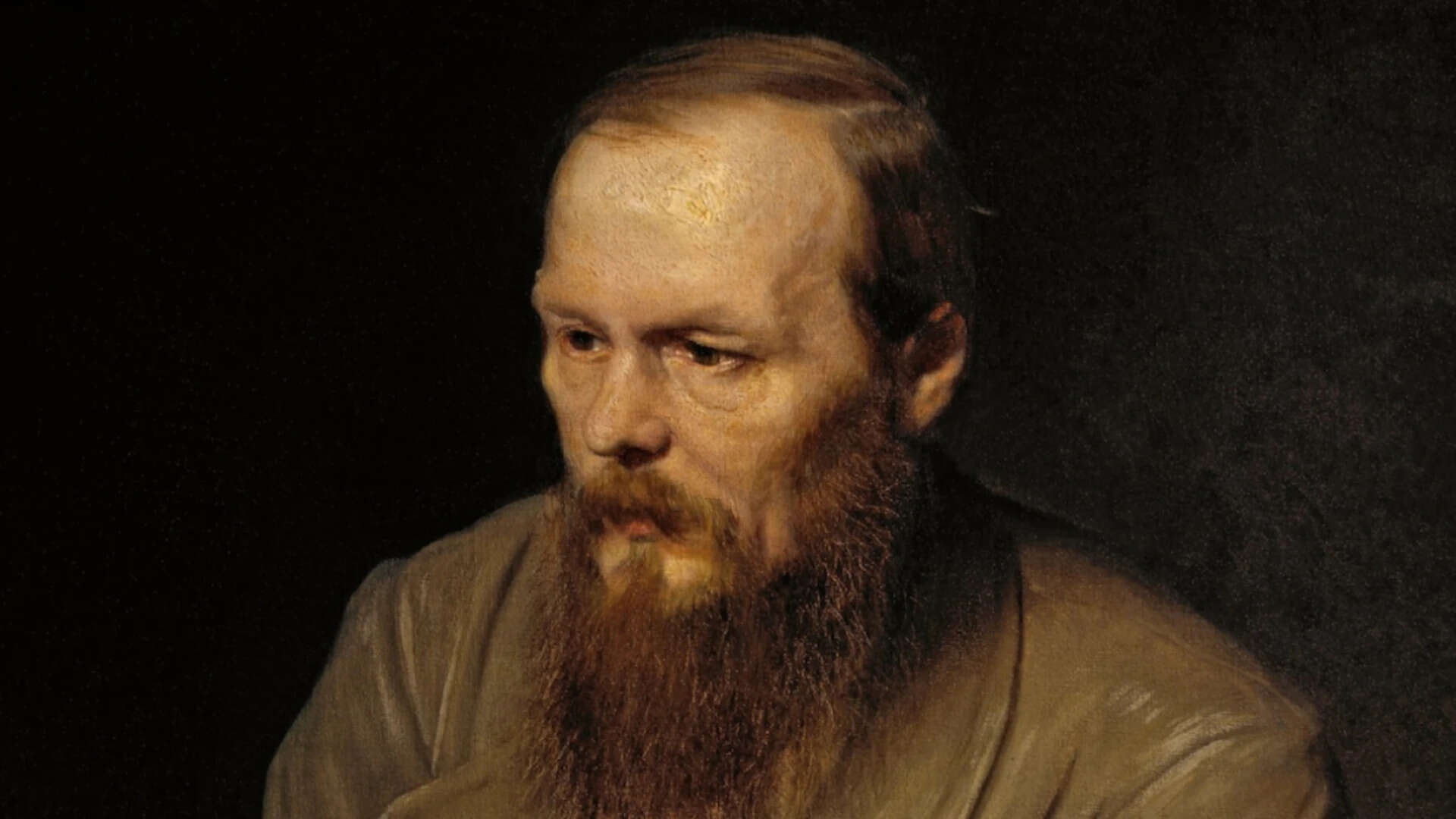
In The Brothers Karamazov, Fyodor Dostoevsky dropped a diagnostic anchor into the human psyche with a deceptively simple question and answer: "What is hell? I maintain that it is the suffering of being unable to love." Today, this quote is routinely reduced to Instagram fodder, slapped onto aesthetic backgrounds, and stripped of its radical psychological weight. It is treated as a sentimental greeting card sentiment when it is actually a brutal diagnosis of a modern crisis. The reality is that Western society has engineered an environment that systematically breaks the human capacity for deep connection, effectively institutionalizing the exact hell Dostoevsky feared.
This is not a vague, philosophical tragedy. It is a measurable, daily reality. When isolation becomes a structural feature of society rather than an individual misfortune, the ability to risk emotional vulnerability decays. Dostoevsky was not writing about a lack of romance; he was warning us about the psychological paralysis that occurs when a person becomes entirely self-absorbed, transactional, and incapable of stepping outside their own ego.
The Commodified Self and the Death of Intimacy
The primary engine of modern isolation is the transformation of relationships into economic transactions. We optimize our social lives. We curate our identities. We view potential partners, friends, and even family members through the lens of cost-benefit analysis. This hyper-individualism promises freedom, but it delivers a highly secure prison.
When every interaction is weighed for its "return on investment," genuine love becomes impossible. True connection requires a terrifying surrender of control. It demands that you allow another person to disrupt your schedule, threaten your comfort, and see your flaws. Dostoevsky understood that hell is not a place with fire and pitchforks; it is the state of being entirely locked inside your own ego, looking out at the world through a window of utility.
Consider how modern communication platforms distort this dynamic. They offer the illusion of connection without the messy, unpredictable demands of real presence. You can block, mute, swipe away, or edit your responses until you present a flawless, sterile version of yourself. But a curated life is an unloved life. You cannot be loved for who you are if you only ever present who you want people to see. The result is a ambient anxiety—the constant fear that if the mask slips, the connection will vanish.
The Terror of Vulnerability
Why do people choose this psychological exile? Because loving is dangerous. It exposes you to rejection, grief, and betrayal. Dostoevsky’s characters often oscillate violently between intense desire for connection and a profound terror of it. They self-sabotage because maintaining a grievance or a state of cynical detachment feels safer than risking emotional annihilation.
We see this play out in the rising rates of intentional loneliness. A growing segment of the population is actively retreating from dating, community organizations, and deep friendships. The cultural narrative has shifted from encouraging resilience in relationships to advocating for immediate disposal at the first sign of friction. We label normal human flaws as "red flags" and view the necessary compromise of long-term commitment as a form of self-harm.
This defensive cynicism is the exact mechanism of the suffering Dostoevsky described. The suffering is not the absence of affection; it is the conscious awareness that you are actively choking out your own capacity to feel it. You want the warmth, but you refuse to touch the fire. Eventually, the nerve endings die.
The Mechanism of Emotional Atrophy
Psychological capacity operates much like physical musculature. If you do not use it, you lose it. The habit of hyper-independence acts as a tourniquet on the emotional self.
- The Feedback Loop of Cynicism: A person experiences disappointment, retreats into self-reliance, views all subsequent human behavior through a lens of suspicion, and interprets every micro-interaction as proof that people cannot be trusted.
- The Erasure of Shared Boredom: Deep bonds are forged in the quiet, unoptimized spaces of life—waiting together, driving in silence, enduring routine. When every spare second is filled with digital consumption, these micro-spaces disappear, taking the foundations of intimacy with them.
- The Substitution of Validation for Affection: Seeking admiration or agreement online stimulates dopamine, but it provides zero emotional sustenance. It is the psychological equivalent of drinking saltwater to quench your thirst.
This atrophy changes how we process reality. When a person reaches the state of being unable to love, their worldview darkens permanently. Other people cease to be complex human beings with their own suffering and become mere obstacles, audiences, or utilities.
The Cost of the Safe Life
The modern world offers an unspoken bargain: trade your depth for safety. Avoid the messiness of deep communal involvement, marriage, or intense friendships, and you will protect yourself from heartbreak. It sounds reasonable. It is a lie.
The alternative to the messiness of love is not peace; it is a sterile, haunting boredom. Dostoevsky’s insight reveals that the human spirit cannot survive in a vacuum of self-preservation. The suffering of being unable to love is uniquely agonizing because the individual remains aware of what they are missing. They can see the light through the glass, but they have forgotten how to open the door.
To break out of this engineered hell requires an intentional act of sabotage against modern convenience and cultural narratives. It requires choosing the inefficient, the inconvenient, and the vulnerable. It means showing up when you want to isolate, listening when you want to defend your ego, and accepting that the price of a meaningful life is the willingness to be hurt. The exit from the prison of the self is never comfortable, but the alternative is a slow, cold death in a room of your own making.