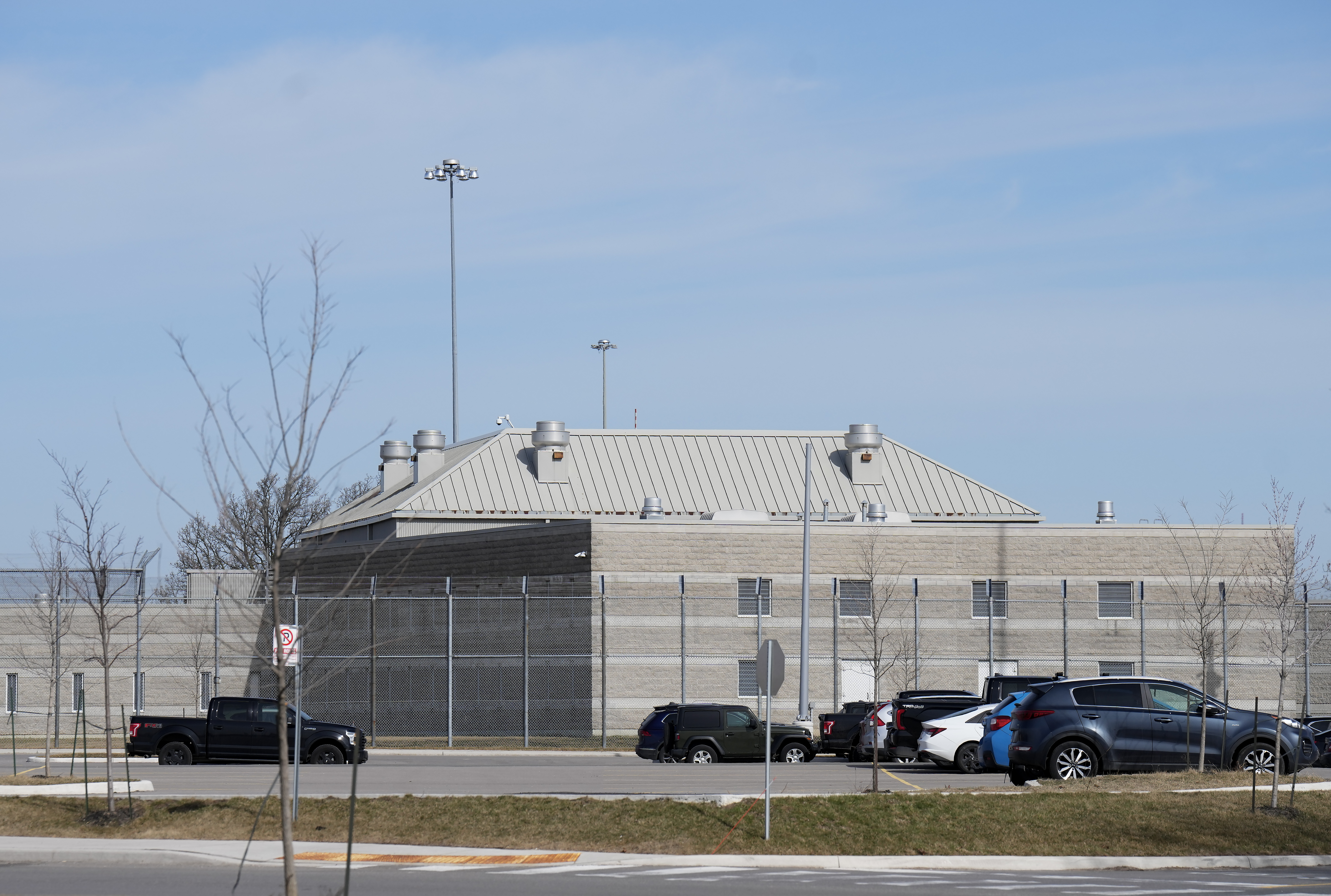
Ontario’s correctional system is currently cannibalizing itself. New data reveals that staffing-related lockdowns in provincial jails have surged by over 60% in two years, leaving thousands of inmates—the vast majority of whom are legally innocent and awaiting trial—trapped in four-by-nine-foot cells for days on end. This is not merely a logistical hiccup. It is a systemic failure where chronic understaffing and 130% overcrowding have created a volatile pressure cooker that threatens to blow the doors off the province’s justice infrastructure.
The Lockdown Loop
A lockdown is the ultimate admission of defeat for a correctional facility. It happens when there are not enough officers to safely manage a range, forcing administrators to keep every inmate behind a steel door. This means no showers, no phone calls to lawyers, no fresh air, and no medication distribution.
In 2023, Ontario jails recorded 1,275 staffing-related lockdowns. By the end of 2025, that number breached 2,082.
The math is simple and devastating. As the inmate population swells due to "tough on crime" policies and a clogged bail system, the number of available correctional officers is plummeting. Burnout isn't just a buzzword here; it is a clinical reality. When a facility like the Sudbury Jail operates at 165% capacity, the physical space remains the same while the human tension doubles.
Why the $3 Billion Fix is Flailing
The provincial government has pointed to a $3 billion investment and the hiring of 2,500 new staff as the antidote. On paper, it looks like a solution. In the trenches, it feels like throwing a glass of water at a forest fire.
The "why" behind the exodus of staff is deeper than salary. Veteran officers describe a workplace defined by "moral injury"—the psychological distress that comes from being unable to provide basic human necessities to those under their care. When an officer has to tell sixty men they won’t be getting their one hour of yard time because three colleagues called in sick with PTSD, the resulting aggression makes the next shift even more dangerous.
It is a feedback loop. Violence against staff has more than doubled since 2017. New recruits walk into these conditions, see the chaos, and quit within months. The province isn't just failing to hire; it is failing to retain.
The Innocent are Paying the Highest Price
Perhaps the most damning statistic in the recent data is the demographic of the incarcerated. Roughly 80% of people in Ontario jails are in "remand"—meaning they have not been convicted of a crime. They are waiting for a day in court that keeps getting pushed back because staffing shortages are now preventing inmates from even appearing at their own virtual bail hearings.
Consider a hypothetical example. A person is arrested for a non-violent offense. They cannot afford bail. They are sent to a facility like Maplehurst, which is currently at 137% capacity. Because of a staffing shortage, the unit goes on lockdown. That individual misses their video link with their lawyer. Their hearing is adjourned for two weeks. For those two weeks, they remain in a crowded cell, potentially sharing a floor mattress with two other people, all because the province cannot put enough boots on the floor.
A System of Negligence
The legal fallout is already arriving. A $59 million class-action settlement is currently processing claims for inmates who experienced chronic lockdowns between 2009 and 2017. The courts have already ruled that these conditions constitute systemic negligence and a breach of the Charter of Rights and Freedoms.
Yet, the data from 2024 through 2026 suggests the province has learned nothing from that payout. The conditions that triggered the lawsuit are now worse than when the litigation began.
The Contraband Connection
When a jail is understaffed and overcrowded, security becomes an illusion. Internal reports suggest that drugs and weapons are circulating with unprecedented ease. "Contraband flows like gravy," as one advocate recently put it. Without enough staff to conduct regular searches or monitor common areas, the internal economy of the jail is dictated by the most violent elements.
Lockdowns are used to "freeze" the environment, but they often have the opposite effect. They increase the desperation for substances and the value of smuggled goods. By the time the doors finally open, the tension has reached a breaking point, leading to the very assaults that trigger the next lockdown.
The Only Path Forward
Building more beds, as the government plans with its modular jail expansions, is a hollow gesture if there are no humans to staff them. Infrastructure is not the bottleneck; personnel is.
Real reform requires a radical shift in how the province handles the remand population. If 80% of the people inside are awaiting trial, the quickest way to end the lockdown crisis is to reduce the number of people being held for minor offenses.
The province must also move beyond "mindfulness training" for staff and address the structural hazards of the job. Until the ratio of officers to inmates is restored to a manageable level, the "revolving door" of Ontario's jails will continue to spin—not with rehabilitated citizens, but with traumatized individuals and broken staff.
The data is no longer a warning. It is a post-mortem of a system that has already failed.