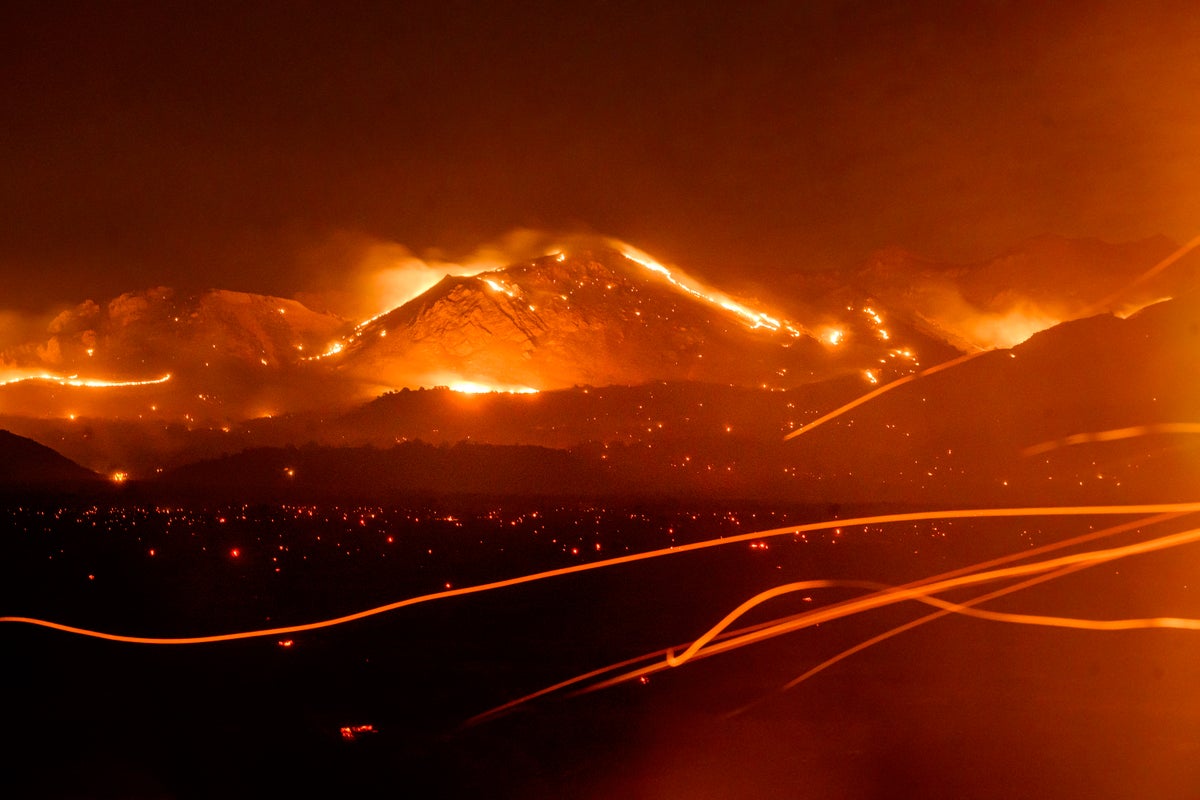
Climate change is no longer a slow-moving baseline shift. It is a series of compounding shockwaves rattling global supply chains, insurance markets, and municipal budgets with terrifying frequency. Global temperatures have shattered historical records consecutively over the past several years, pushing ecosystems into uncharted territory. Yet, public discourse remains trapped in cycles of distant projections and vague targets for mid-century milestones. The immediate crisis is happening right now, rooted in financial systems and infrastructure designed for a climate that no longer exists.
The Architecture of Fragility
Modern civilization runs on efficiency. Over the past four decades, global corporations optimized supply chains down to the hour. Just-in-time manufacturing eliminated warehousing costs, while centralized agricultural hubs specialized in single high-yield crops to feed international markets. This hyper-optimized architecture works brilliantly under stable conditions. It is disastrously brittle when faced with erratic weather extremes.
When a multi-week atmospheric river inundates California's central agricultural belt or a severe drought halts barge traffic on the Mississippi River, the friction is immediate. These are not isolated environmental tragedies. They are structural stress tests for an economic model that treats stability as a permanent state.
Consider the insurance industry. For generations, actuaries relied on historical weather data to price risk. That model is now broken. Major insurers are pulling out of high-risk zip codes across Florida, California, and Louisiana because historical loss curves no longer predict future payouts. When insurance retreat happens, property values drop, municipal borrowing costs spike, and the local tax base begins to erode.
Why Carbon Accounting Misses the Immediate Threat
Most corporate sustainability reports focus heavily on operational emissions. Companies measure scope one, two, and three carbon footprints, setting ambitious reduction goals for twenty-fifty. This accounting exercise offers corporate PR departments a comforting narrative of progress. Meanwhile, physical asset vulnerability grows unchecked.
A factory with net-zero carbon operations remains entirely vulnerable to a category-four hurricane or a prolonged municipal water shutdown. Climate resilience requires a fundamental shift from mitigation metrics to physical adaptation measures. Executives must ask uncomfortable questions about asset placement, backup power redundancy, and regional water security.
- Supply Chain Redundancy: Single-source manufacturing leaves entire industries exposed to localized climate disruptions.
- Infrastructure Age: Municipal drainage, electrical grids, and transit networks built in the mid-twentieth century cannot handle modern precipitation extremes.
- Capital Misallocation:* Billions flow into green marketing while critical physical fortifications remain underfunded.
Building redundancy costs capital up front. Shareholders historically punish capital expenditure that does not yield immediate quarterly returns. Consequently, corporate leadership boards delay physical adaptation until catastrophe forces their hand.
The Insurance Deadlock
The collapse of traditional property insurance markets represents the sharpest edge of the current climate crisis. As catastrophic weather events multiply, risk pools shrink. Insurers face escalating reinsurance costs and pass those expenses directly to consumers. In vulnerable coastal and wildfire-prone regions, premiums have doubled or tripled within a three-year span.
State-backed insurers of last resort are absorbing policies that private companies refuse to touch. This creates a massive contingent liability for taxpayers. If a severe season triggers billions in claims against state-backed funds, governments face stark choices between severe taxation, deep service cuts, or federal bailouts.
This financial feedback loop distorts property markets. Buyers continue purchasing homes in high-risk zones because insurance subsidies or state-backed safety nets mask the true cost of environmental exposure. Once those safety nets fray, market corrections will be sudden and brutal.
The Geopolitical Fallout of Resource Compression
Environmental stress rarely stays localized. When crop failures hit major grain-exporting regions due to prolonged heatwaves, international commodity prices surge. Food inflation acts as an accelerant for civil unrest, government instability, and mass migration.
Intelligence agencies across the globe now treat climate shocks as primary threat multipliers. Water scarcity in the Middle East and Central Asia drives rural populations into overcrowded urban centers, straining municipal infrastructure and fueling political radicalization. Border fortifications and maritime disputes over dwindling fish stocks and freshwater basins will define international relations for the next fifty years.
National security planners understand these dynamics far better than financial markets do. Yet policy responses remain reactive, focused on managing symptoms rather than addressing the structural drivers of resource depletion.
Moving Past Wishful Thinking
Pretending that incremental carbon reduction will halt near-term weather volatility is a dangerous distraction. Mitigation remains essential to prevent existential planetary collapse by the end of the century, but adaptation is the urgent imperative for the next decade.
Governments must reform zoning laws, restrict development in high-risk flood and fire zones, and invest heavily in resilient public infrastructure. Corporations must abandon lean, brittle supply chains in favor of localized, redundant networks that can absorb localized shocks without collapsing entirely.
The warning signs are visible in every flood insurance cancellation, every failed harvest, and every dry riverbed. Pretending the shocks are temporary anomalies will not save the systems we rely on.