The global aviation industry is currently caught in a pincer movement. On one side, escalating military friction in the Middle East has sent Brent crude futures twitching upward. On the other, the logistical nightmare of avoiding Iranian and Iraqi airspace has turned efficient flight paths into zigzagging marathons. For the average traveler, the result is a sudden, sharp hike in ticket prices that feels like price gouging. It isn't. It is the sound of an industry losing its most precious commodity: predictability.
Airlines are not just selling a seat from London to Singapore; they are selling a calculated gamble on the price of kerosene. When missiles fly, that gamble fails. Every detour around a conflict zone adds thirty to sixty minutes of flight time. That extra time burns thousands of gallons of fuel. It forces crews into overtime. It delays the next leg of the aircraft’s journey. By the time you see the "Search Flights" results on your screen, the algorithm has already baked in the cost of that extra burn and the geopolitical risk of the coming week.
The Fuel Hedging Trap
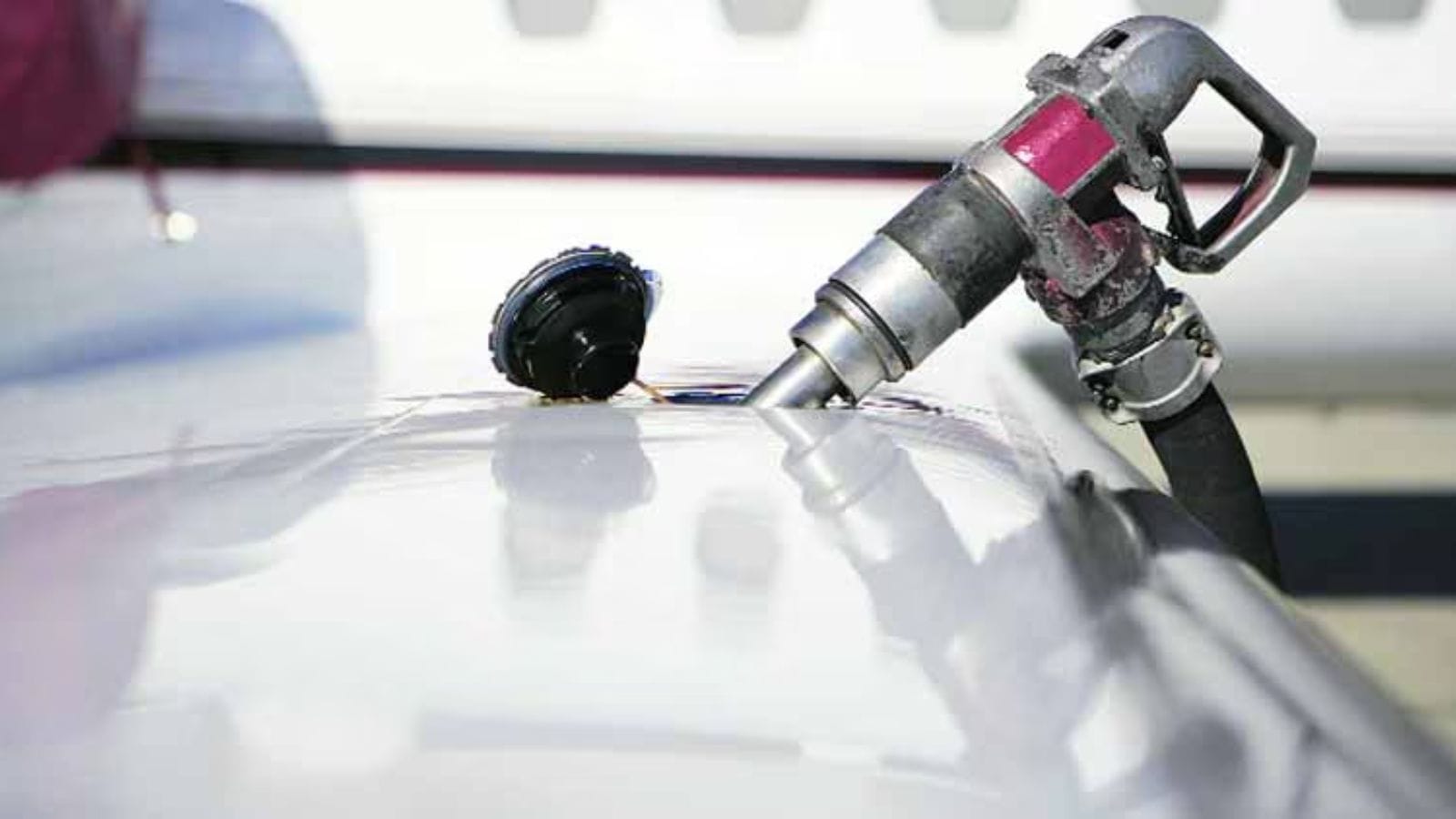
Most people assume airlines simply buy gas at the pump like a motorist. They don't. Major carriers use a complex financial strategy called hedging to lock in fuel prices months or years in advance. This is supposed to provide a buffer against sudden spikes. However, when tensions in the Persian Gulf escalate, the volatility often outstrips the hedge.
If an airline hedged 50% of its fuel at $80 a barrel and the market price jumps to $105, they are still exposed on the remaining half. To protect their margins, they implement "YQ" surcharges—those mysterious carrier-imposed fees that make up a third of your total fare. These fees are the industry’s panic button. They can be adjusted almost instantly, unlike the base fare which is subject to slower market competition.
The problem is deeper than just the price of a barrel. The supply chain for Jet A-1 fuel is remarkably fragile. Refineries in the Middle East are central to the global supply. Any threat to the Strait of Hormuz doesn't just raise prices; it creates a physical anxiety about whether the fuel will be at the gate when the plane lands. Airlines start hoarding. They buy more than they need at high prices just to ensure they aren't grounded, which further drives the price up for everyone else.
The Geography of Overhead
Look at a flight map from 2019 and compare it to today. The "Great Circle" routes—the shortest distance between two points on a globe—are becoming unusable. Because of the conflict in Ukraine, Western airlines were already barred from Russian airspace, adding hours to trans-continental trips. Now, with the Levant and parts of the Middle East becoming "no-go" zones, the remaining corridors are becoming congested.
When a flight from New York to Dubai has to skirt around several borders, it isn't just a fuel issue. It’s a weight issue. To carry the extra fuel needed for a longer route, the plane must be lighter. That means the airline might have to leave ten seats empty or limit the amount of cargo in the hold.
- Weight Penalty: Every extra ton of fuel requires more fuel just to carry that fuel. This is the "spiral of inefficiency."
- Crew Time: Pilots and flight attendants have strict legal limits on how many hours they can work. A two-hour detour can push a crew over their legal limit, forcing an unscheduled stop and a hotel stay for 300 passengers.
- Maintenance: More hours in the air means engines hit their service intervals faster.
These are the "invisible" costs that the passenger never sees on a receipt. You see a $200 increase in a fare. The airline sees a $50,000 increase in the cost of operating that specific flight.
The Myth of the Post-Pandemic Recovery
Airlines spent two years bleeding cash during the lockdowns. They stayed alive by taking on massive debt. Now that travel demand has roared back, they aren't just trying to cover current costs; they are trying to pay back the billions they borrowed to stay afloat when the world stopped moving.
This creates a "yield-at-all-costs" mentality. In a stable world, an airline might keep fares lower to gain market share. In a world where a drone strike can shut down a hub overnight, they maximize profit on every single seat right now. They know the demand is there—people are desperate to travel after years of restrictions—and they are testing the absolute ceiling of what the market will bear.
We are also seeing a shift in fleet dynamics. Smaller, more efficient planes like the Airbus A321XLR are being used for routes that used to require massive 747s. While these planes use less fuel, they have fewer seats. Less supply plus high demand equals the price surges we are seeing at checkout.
The Role of Air Traffic Control Fees
Another overlooked factor is the cost of overflight fees. Every country charges airlines to fly through their "neighborhood." As airlines are forced out of certain airspaces and into others, the "popular" safe corridors are raising their prices. It is a simple matter of supply and demand for the sky itself. Countries like Turkey or Egypt see massive increases in traffic as planes avoid conflict zones, and they adjust their transit fees accordingly.
Why Fares Won't Drop Soon
Even if a peace treaty were signed tomorrow, flight prices would remain elevated. The industry has learned that the "premium" traveler is willing to pay. Business travel is rebounding, and those tickets are often bought at the last minute for three times the economy rate. As long as the front of the plane is full, the airline has no incentive to lower the price in the back.
Furthermore, the environmental cost is starting to hit the balance sheet. In Europe and parts of North America, new mandates for Sustainable Aviation Fuel (SAF) are kicking in. SAF is currently three to five times more expensive than traditional jet fuel. Airlines are passing this "green premium" directly to the consumer. When you combine geopolitical instability, high debt loads, and new environmental regulations, the era of the $400 trans-Atlantic flight is effectively over.
The Strategy for the New Reality
For the traveler, the game has changed. The old advice of "book on a Tuesday" is useless when the primary driver of price is a regional conflict.
The only way to win in this market is to prioritize flexibility over destination. If you must go to a specific place at a specific time, you will pay the "uncertainty tax." The algorithms are smarter than you. They know when your school break is. They know when the conference is. They know that when the price of oil goes up $5, they can raise your ticket price $50 and you will still click "purchase."
We are moving toward a tiered sky. The wealthy will continue to fly as they always have, while the middle class will find themselves priced out of long-haul international routes, relegated to regional "staycations" or high-speed rail where available. This isn't a temporary spike. This is the new baseline for a world that has realized the true cost of moving 200 tons of metal through the air at 500 miles per hour.
Check the tail number of your next flight. That aircraft is likely older than you think, burning more fuel than it should, and flying a path that looks like a scribble because the straight line is too dangerous to take. That is the reality of modern travel.
If you are planning a trip for the next six months, buy your tickets today. Waiting for a "dip" in oil prices is a fool’s errand in a decade defined by scarcity and friction.
Tracking the Burn
To truly understand why your flight to Athens or New Delhi just doubled in price, you have to look at the "burn rate" of the specific aircraft assigned to your route. A Boeing 777-300ER burns roughly 2,500 gallons of fuel per hour. If a conflict in the Middle East adds two hours to the round trip, that is 5,000 extra gallons. At current market rates, that is an extra $15,000 in pure fuel cost for a single journey. Divide that by 300 passengers, and you have a $50 "war tax" before the airline even considers profit.
The industry is currently in a defensive crouch. They aren't looking to expand; they are looking to survive the next headline. This means fewer flights, higher load factors, and zero mercy for the budget traveler. The sky has become a luxury again, and the map of the world is being redrawn not by cartographers, but by risk assessment officers in windowless offices in Chicago and Dubai.
Stop looking for a villain in the airline's C-suite. The villain is the geography of a world that is suddenly much larger and more dangerous than it was five years ago.
Watch the price of Brent crude tomorrow morning. If it goes up, your summer vacation just got shorter.
The Looming Pilot Shortage Factor
While fuel and bombs grab the headlines, the human element is quietly jacking up your fare. There is a global shortage of qualified pilots. This isn't just a "retirement" issue; it’s a training bottleneck. During the 2020-2022 period, many airlines incentivized senior captains to take early retirement. Now, they are scrambling to replace them.
To attract and keep talent in a high-stress environment, airlines are signing record-breaking contracts. Some US pilots recently secured raises of 30% to 40% over four years. Those salaries don't come from the airline’s savings account. They come from your credit card. When a flight is delayed because of a Middle East detour, and the pilot "times out," the cost of finding a replacement crew in a labor-starved market is astronomical.
The Hub and Spoke Weakness
The current crisis exposes the flaw in the "hub and spoke" model. Major hubs like Dubai, Doha, and Istanbul are perfectly positioned to connect the world—unless the world around them is on fire. If you are flying through a region of high tension, you are paying for the insurance policies of the airport itself. These "mega-hubs" are massive targets for disruption. Even a credible threat that never materializes can cause a "ground stop" that ripples across the entire globe, costing the industry hundreds of millions in a single afternoon.
The "Definitive Fare" is gone. In its place is a living, breathing number that changes based on the speed of a wind current over the Atlantic or a social media post from a world leader. The transparency we were promised in the age of travel apps has been replaced by an opaque "black box" of dynamic pricing that favors the house every time.
Don't wait for a return to "normal." This volatility is the new normal.
Go to your favorite flight aggregator right now and look at the "price trend" for any route passing through or near the Suez Canal. You will see a jagged mountain range of costs. That is the sound of the world getting smaller and the price of traversing it getting much, much higher.
Next time you see a headline about a drone strike or a naval blockade, don't just think about the politics. Think about your boarding pass. The two are now permanently linked.
Airlines are no longer just transportation companies; they are high-stakes commodity traders that happen to own airplanes. As a passenger, you are the one funding their margin of error. If you want to travel in the next year, stop searching for deals and start searching for certainty. Book direct, buy the insurance, and accept that the cheap sky of the 2010s was a historical anomaly that we are unlikely to see again in our lifetime.