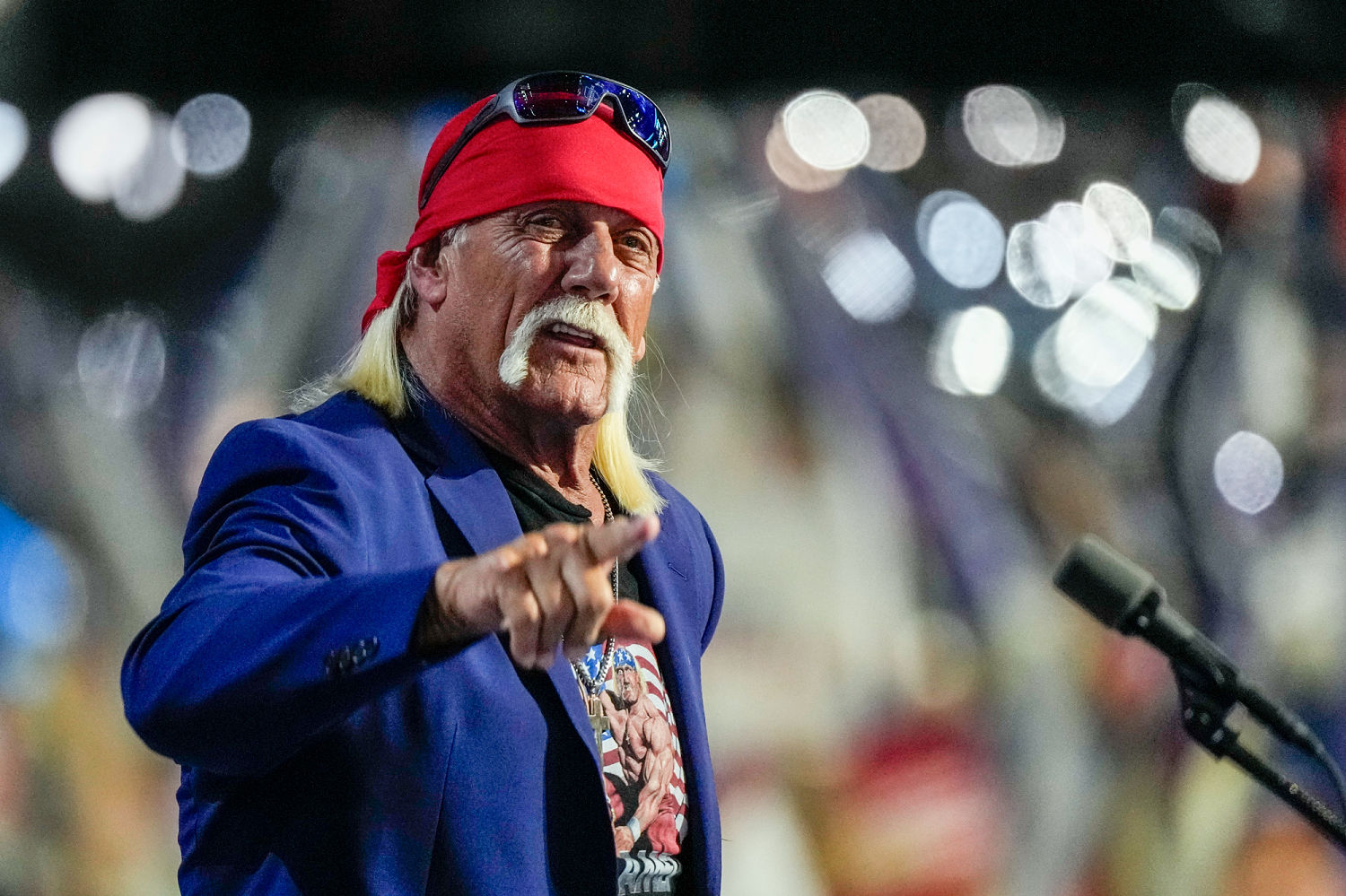
The Clearwater Police Department officially closed its 11-month investigation into the death of Terry Bollea, known globally as Hulk Hogan, confirming he died of natural causes. The 72-page final case master report determines that the 71-year-old wrestling icon suffered an acute myocardial infarction, or heart attack, in his Florida home on July 24, 2025. While local authorities have ruled out criminal wrongdoing, labeling it an attended natural death, the extensive file exposes a far darker, more complicated reality regarding the physical toll of professional wrestling and an escalating legal war over medical care.
The document details how investigators reviewed home surveillance footage, conducted witness interviews, and analyzed a private autopsy report to piece together Bollea’s final hours. He was sitting in a recliner alongside his wife, Sky Daily, and two healthcare workers when he suddenly stopped breathing. Despite immediate CPR and rapid transport to Morton Plant Hospital, the man who once symbolized indestructible American manhood could not be revived. You might also find this connected article interesting: How Tim Curry Taught Us to Love the Dark.
The Disintegration of an Icon
For decades, professional wrestling thrived on the illusion that its larger-than-life superheroes were immune to human frailty. Terry Bollea was the template. With his 24-inch pythons and an explicitly demanding physical style, he spent forty years dropping his 300-pound frame onto hard canvas rings thousands of times.
The police report outlines the agonizing aftermath of that career. Investigators noted that Bollea’s health had dramatically declined in the months preceding his death, punctuated by multiple major surgeries and extended hospitalizations. As discussed in detailed articles by Reuters, the implications are widespread.
The public saw a smiling legend promoting light beer and making nostalgic appearances. Behind closed doors, his body was failing. The District Six Medical Examiner records revealed a brutal combination of underlying conditions, including chronic lymphocytic leukemia and atrial fibrillation. The man who urged millions of children to train and say their prayers was privately consuming a cocktail of heavy medications just to function, dealing with the fallout of back fusions, knee replacements, and a recent heart valve procedure.
Malpractice Allegations and the Homecare Crisis
The closure of the criminal file does not mean the controversy is over. The police investigation was initially intensified because of sharp fractures within the family and severe concerns raised by an occupational therapist present at the scene.
Brooke Hogan, Terry's daughter, openly questioned the quality of her father's medical care, pointing toward potential systemic failures by his healthcare providers. The family filed a petition seeking to extend the statute of limitations to investigate a medical malpractice claim against Morton Plant Hospital and Tampa General Hospital.
According to investigative supplements, the family’s legal team is looking into whether a compromised phrenic nerve during a prior surgery accelerated his respiratory and cardiac failure. There were also tense internal reports regarding home care, with accusations that medical staff administered incorrect, overlapping doses of high-stakes pharmaceuticals. The documents paint a chaotic picture of Bollea's final months, where family members and ex-spouses frequently stepped in to manage complex care routines because they felt the professional medical oversight was failing.
Real Autopsies and Private Secrets
The Clearwater police report relied heavily on a private autopsy conducted by pathologist Dr. Daniel Schultz. The family chose to bypass a standard public state autopsy, a move that initially raised eyebrows among industry insiders and fans online.
Under Florida public records law, medical files and private autopsy results remain heavily protected from public disclosure. The security footage capturing the interior of the residence during the medical emergency is shielded from the media.
This legal boundary keeps the highly granular details of Bollea’s physical condition out of the public domain. Dr. Schultz's summary provided to investigators stated that death came exclusively from compelling natural disease, with no traumatic or terminal toxicologic contributions. Yet, the choice to keep the full autopsy private underscores a desire to control the final narrative of a man whose entire life was a highly curated public performance.
The business of being Hulk Hogan required maintaining an image of ultimate power. The reality of Terry Bollea was a broken skeletal structure and a failing cardiovascular system, hidden behind the high walls of a Clearwater estate.
The Wrestling Machine Left Behind
The wrestling industry has a long history of early deaths, but Bollea’s passing hits differently because he was the architect of the modern sports entertainment business model. He proved that a wrestler could become a global corporate billboard.
That billboard required constant maintenance. To stay at that size, to perform at that level, and to recover from injuries without taking extended time off during the boom periods of the 1980s and 1990s, athletes routinely pushed their bodies past logical limits. The sheer volume of surgeries listed in the police report is an indictment of the physical tax required by the industry.
The closed police file solves the legal question of criminal liability. It does nothing to resolve the moral question of an entertainment machine that uses up human bodies for prime-time ratings, leaving families to pick up the pieces amid malpractice lawsuits and agonizing home-care battles. The legal maneuvers by the Bollea family show that the fight over what happened in those final hospital visits is just beginning.