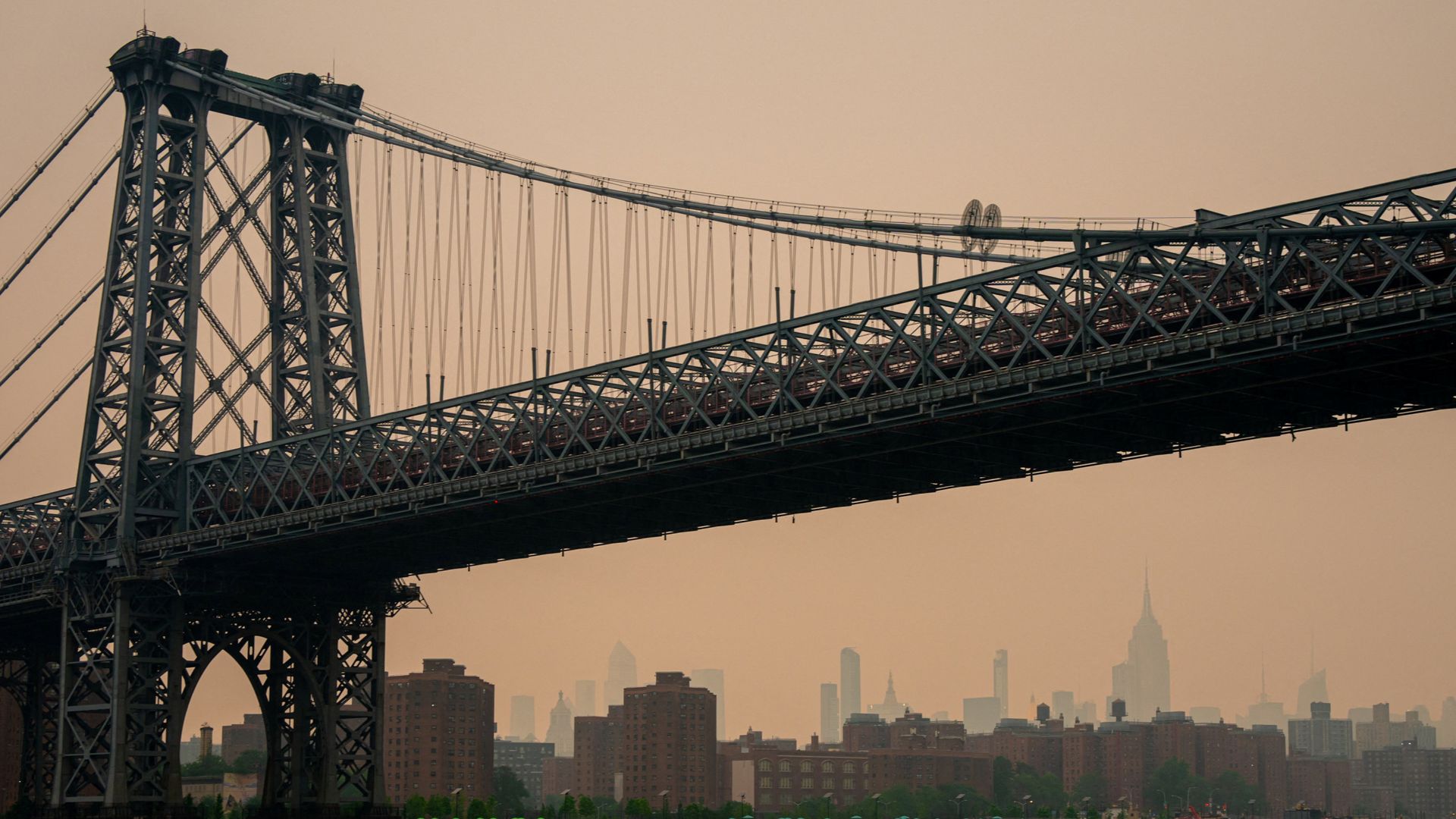
The thick orange haze choking urban skies and forcing thousands to flee their homes is not just a natural disaster. It is the predictable consequence of a century of broken land management policies, aging utility infrastructure, and aggressive development in high-risk zones. While headlines blame rising temperatures alone, the underlying crisis stems from a systemic failure to manage forest fuels and a stubborn insistence on fighting every spark. By suppressing the natural, low-intensity burns that historically cleared underbrush, we have turned our wildlands into tinderboxes waiting for a spark.
We are paying the bill for a century of environmental mismanagement. Every summer, plumes of fine particulate matter travel thousands of miles, turning the air in distant metropolitan areas hazardous to breathe. Millions of people are advised to stay indoors, seal their windows, and run air purifiers. Yet, the public discourse remains focused on emergency response and evacuations, ignoring the systemic policy failures that guarantee next year's smoke will be even thicker.
To understand why our skies are turning orange, we have to look past the flames and examine the decisions made in government offices, utility boardrooms, and real estate development agencies decades ago.
The Fire Suppression Paradox
For over a century, the guiding principle of forestry was simple and deeply flawed. All fire is bad.
This philosophy was institutionalized in the early twentieth century, culminating in the US Forest Service policy of 1935, which mandated that every single wildfire be suppressed by 10 AM the morning after it was reported. The policy succeeded in its immediate goal. It virtually eliminated fire from the wildlands.
But it created a massive ecological debt.
Fire is a natural, necessary component of healthy forest ecosystems. Historically, low-intensity surface fires ignited by lightning or indigenous land managers regularly swept through forests, consuming dead pine needles, fallen branches, and young saplings. These frequent burns kept the forest floor clear, leaving mature, thick-barked trees untouched.
Without these regular cleanings, our forests changed. They grew dense and overcrowded. Instead of thirty or forty large trees per acre, many western forests now pack hundreds of small, weak trees into the same space.
This accumulation of fuel has completely altered how fires burn.
When a spark ignites today, it does not stay on the forest floor. The dense underbrush acts as a ladder, carrying the flames up into the canopy of the forest. Once a fire reaches the treetops, it becomes a crown fire. These are highly destructive, hot, wind-driven conflagrations that kill entire stands of mature timber, bake the soil until it is sterile, and produce the massive columns of toxic smoke that now blanket entire regions.
We cannot suppress our way out of a crisis created by suppression. The more aggressively we put out small fires, the more fuel accumulates for the next inevitable megablaze. It is a vicious cycle that has reached its logical, hazardous limits.
The Suburban Sprawl into the Danger Zone
The danger is not confined to remote public lands. Over the past three decades, residential development has pushed aggressively into fire-prone environments.
This area is known as the Wildland-Urban Interface.
Millions of homes now stand in areas that are ecologically primed to burn. Local governments, driven by the desire to expand their tax bases, regularly approve subdivision plans in dense forests and chaparral shrublands without requiring adequate evacuation routes or fire-resistant building standards.
When a fire starts in these areas, the entire equation changes for emergency responders.
Firefighters can no longer focus on containing the perimeter of the blaze. Instead, they must redirect their limited resources toward structure defense and life safety. Saving homes takes precedence over stopping the fire.
As a result, fires that might have burned harmlessly through uninhabited brush are allowed to grow out of control while crews work to evacuate neighborhoods.
This unchecked growth in high-risk areas has also triggered a quiet economic collapse in the home insurance market. Across several states, major insurance providers are quietly canceling policies, raising premiums to astronomical levels, or pulling out of fire-prone regions entirely.
State-backed insurers of last resort are ballooning in size, transferring immense financial risk to taxpayers. The market is screaming a warning that policymakers are choosing to ignore. We are subsidizing the risk of building in areas that nature intended to burn.
The Regulatory Gridlock of Prescribed Burns
The solution to fuel accumulation is well known to ecologists and indigenous communities alike. We must put good fire back on the ground.
Prescribed burning involves intentionally setting controlled, low-intensity fires under strict weather conditions to clear out dead vegetation. This practice drastically reduces the intensity of any future wildfire that passes through the treated area.
Yet, we conduct only a fraction of the prescribed burns needed to protect our communities.
The reasons are entirely bureaucratic and political.
A complex web of regulations prevents land managers from executing controlled burns. The Clean Air Act, while vital for protecting public health, treats the smoke from a planned, controlled burn the same way it treats smoke from an industrial polluter.
As a result, local air quality boards frequently deny burn permits because they want to avoid even a temporary, minor spike in local emissions.
The irony is acute. By preventing a small, manageable amount of smoke today, these regulations guarantee a massive, toxic plume of uncontrollable wildfire smoke tomorrow.
Liability is another significant barrier. If a prescribed burn escapes its boundaries and damages private property, the agency or individual who authorized the burn can face immense financial liability and career-ending professional ruin.
While the escape rate for prescribed burns is incredibly low—historically less than one percent—the fear of a worst-case scenario paralyzes decision-making.
In 2022, an escaped prescribed burn in New Mexico grew into the largest wildfire in the state's history. The political fallout from that single incident led to a temporary halt on all prescribed burns on federal lands, setting fuel reduction efforts back by years.
We have created a regulatory environment where doing nothing is the safest choice for a bureaucrat's career, even if doing nothing guarantees a future catastrophe.
An Overloaded Grid and Aging Infrastructure
We cannot talk about the wildfire crisis without addressing how these fires start. Lightning remains a major cause, but human activity and utility infrastructure are responsible for some of the most destructive blazes in recent history.
Power lines are a constant threat.
In high-wind events, uninsulated electrical wires can slap together, generating showers of white-hot sparks. Aging wooden poles can snap, dropping live, high-voltage lines directly onto dry grass.
Many utilities have neglected routine maintenance, such as clearing trees and overhanging branches away from their lines, to prioritize short-term investor returns.
When a utility line sparks a fire during a high-wind event, the results are almost always catastrophic. These fires ignite at the worst possible time, in the worst possible places, under conditions that make immediate containment impossible.
In response, utilities have resorted to a crude and highly disruptive tool. Public Safety Power Shutoffs.
By proactively cutting power to thousands of customers during high-wind forecasts, utilities can protect themselves from liability. However, this shifts the burden and risk entirely onto the public.
Hospitals, water treatment facilities, and vulnerable individuals reliant on medical equipment are left scrambling in the dark. It is a temporary, desperate fix for a systemic infrastructure failure that requires billions of dollars in undergrounding and line insulation.
The Economic Illusion of Fire Fighting
Our financial commitment to the wildfire crisis is completely lopsided. We spend billions of dollars on suppression, yet we allocate only a tiny fraction of that amount to prevention.
Emergency firefighting budgets are treated as open-ended blank checks. When a fire threatens a city, state and federal agencies will spend whatever it takes to deploy air tankers, bulldozers, and thousands of personnel.
But when land managers ask for funds to thin forests, clear brush, and conduct prescribed burns, they are met with budgetary constraints and political bickering.
This is an economic illusion.
Studies consistently show that every dollar invested in fuel reduction and community mitigation saves several dollars in future suppression costs and property damage.
Yet, we continue to fund the emergency response while starving the preventative measures that would make those emergencies less frequent and less severe.
The current system is designed to respond to disaster, not to prevent it. We have created a highly profitable industrial complex around firefighting, complete with private contractors, specialized aircraft fleets, and emergency management consulting firms.
There is no equivalent lobby pushing for the quiet, unglamorous work of clearing brush and burning undergrowth in the wet winter months.
Until we shift our financial priorities from reactive warfare to proactive stewardship, the smoke will continue to rise, the evacuations will continue to disrupt lives, and our cities will continue to choke under darkened skies.
The choice is not between fire and no fire. The choice is between the manageable, low-intensity smoke of a prescribed burn today, or the catastrophic, toxic ash of an uncontrollable wildfire tomorrow.