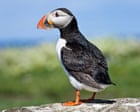
We look at them every day but rarely actually see them. Banknotes usually feature the same old mix of monarchs, politicians, and historical figures who died centuries ago. But a fresh push to change what covers British currency is gaining serious ground. Puffins, dolphins, and bumblebees are now in the running to feature on upcoming UK banknotes, and honestly, it is about time.
This is not just a cosmetic upgrade or a cute design stunt. The choice of who or what goes on a nation's money is a direct reflection of its values. For decades, the UK has used its paper and polymer notes to celebrate imperial history, literature, and scientific breakthroughs. While celebrating Alan Turing or Jane Austen makes perfect sense, our currency completely ignores the natural world we are currently at risk of losing. Putting British wildlife on banknotes shifts the focus from our past human achievements to our immediate environmental future.
The Secret Shortlist for the New Pocket Change
The public discussions around currency design have taken an interesting turn. Conservation groups and public campaigns are rallying behind three specific British species to take pride of place on future cash releases. These are not random choices. Each represents a distinct part of the British ecosystem under threat.
The Atlantic puffin leads the pack for coastal representation. These birds are iconic across the cliffs of Wales, Scotland, and northeastern England. They are also highly vulnerable. Climate change and shifting fish populations have hit puffin colonies hard. Seeing a puffin every time you pay for a coffee would serve as a daily reminder of our fragile coastlines.
Then you have the bottlenose dolphin. People often forget that the UK has vibrant marine life right off its shores, particularly in places like the Moray Firth in Scotland or Cardigan Bay in Wales. Marine pollution and heavy shipping traffic threaten these highly intelligent mammals daily.
Finally, the humble bumblebee represents the foundation of British agriculture and biodiversity. Insect populations are crashing globally, yet our entire food supply relies on them. Putting a bee on a high-circulation note highlights an urgent truth. Without these tiny pollinators, the human economies built on cash would simply collapse.
How British Banknotes Actually Get Designed
The process of changing a banknote design is notoriously slow and shrouded in institutional tradition. The Bank of England handles Bank of England notes, while Scottish and Northern Irish banks issue their own currency under specific regulations. Usually, a committee of experts, historians, and bank officials reviews public nominations before making a final recommendation to the Governor of the central bank.
Historically, the criteria for choosing banknote figures required individuals to have made a significant, lasting contribution to British society. They had to be widely recognized and undeniably influential. This is why we see faces like Winston Churchill or Adam Smith.
But institutions are starting to realize that "contribution to society" can mean more than just human history. The Royal Bank of Scotland broke the mold years ago by featuring Scottish landscapes and poetry, showing that currency can move away from rigid portraiture. Expanding this approach across all UK currency to include endangered wildlife is the logical next step.
The Psychology of Cash in a Digital World
You might wonder why this matters when cash usage is declining. We live in an era of contactless payments, smartphone wallets, and digital bank transfers. Physical money feels like a relic to some.
Physical currency still holds immense symbolic power. Cash is tangible. It passes through millions of hands daily, from small independent shops to major financial institutions. It is a piece of national art that everyone owns simultaneously.
When you put an endangered bumblebee or a puffin on a polymer note, you are giving it the highest state validation possible. You are saying this creature matters as much as our greatest scientists or rulers. It forces a conversation every time a note changes hands. Children notice animals on coins and notes far quicker than they notice historical figures in wigs. It builds an early awareness of the environment that textbooks cannot replicate.
What Other Countries Can Teach the UK About Money
The UK is actually quite late to the party when it comes to celebrating nature on cash. Other nations figured this out decades ago.
New Zealand is the gold standard here. Their banknotes are a masterclass in ecological pride. The five-dollar note features the hoiho, a rare yellow-eyed penguin native to the country. The ten-dollar note highlights the whio, a blue duck. Their currency celebrates the unique biodiversity of the islands, making the money instantly recognizable worldwide.
South Africa does something similar with its famous Big Five notes, showcasing rhinos, elephants, lions, leopards, and buffalo. These notes do not just serve as currency. They act as a proud statement of national conservation identity.
The UK has an abundance of unique wildlife that deserves the exact same platform. Our currency should look like Britain, not just a portrait gallery of dead aristocrats.
The Real Threat to the Species on the Ballot
This campaign is not happening in a vacuum. The species in the running are facing severe survival battles across the British Isles.
- Atlantic Puffins: Listed as vulnerable to global extinction. Rising sea temperatures are driving sandeels, their primary food source, further north, leaving puffin chicks starving in their burrows.
- Bottlenose Dolphins: Facing constant acoustic disturbance from offshore construction and naval sonar, alongside the enduring threat of plastic ingestion and toxic chemical runoff.
- Bumblebees: Facing habitat loss. The UK has lost roughly 97% of its wildflower meadows since the second world war, leaving bees with massive food deserts.
If these animals end up on our money, it cannot just be an exercise in nostalgia for a countryside we are actively destroying. It must be a call to action.
How to Push for Greener Currency
If you want to see puffins, dolphins, or bumblebees in your wallet, you cannot just wait for the Bank of England to make a move. Change happens when public pressure becomes too loud to ignore.
Start by participating in public consultation phases whenever the Bank of England or regional banks announce future note designs. They do look at public input. Write to your local MP to express support for environmental representation on national symbols. Support the conservation charities working to protect these specific species on the ground.
We need to redefine what wealth means. True wealth is not just the numbers in a banking app or the gold reserves in a vault. It is the health of the living world around us. Putting British wildlife on our banknotes is a small but powerful way to remind ourselves of that truth every single day.


