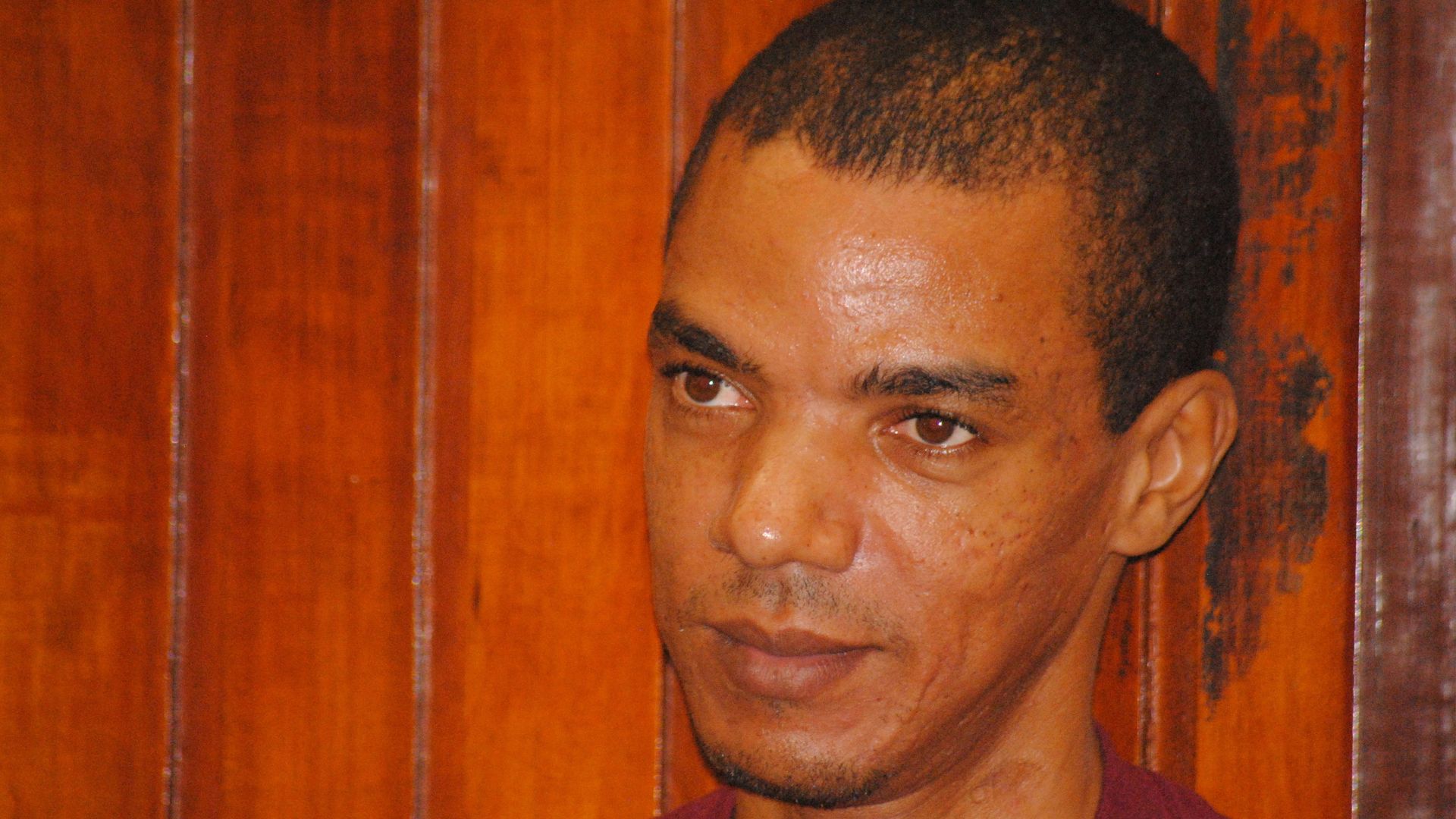
The arrest of a British man accused of commanding terrorist units in East Africa isn't just another headline. It's a stark reminder of how deep the roots of global extremism actually go. For years, we've watched the shifting tides of the conflict in Somalia, but the specific involvement of UK nationals in high-level leadership roles within al-Shabaab changes the conversation entirely. This isn't about a misguided recruit. It's about a man allegedly responsible for directing tactical operations and leading fighters on the ground.
The Case Against the Accused British Commander
The legal proceedings recently initiated against this individual center on his supposed rise through the ranks of al-Shabaab. Prosecutors aren't just looking at membership. They're looking at command. The core of the government's case rests on evidence that he didn't just join the group; he became a vital part of its operational backbone. This involves direct involvement in planning attacks and managing the logistics of a militant force that has destabilized the Horn of Africa for decades. Recently making waves recently: The 10-Day Delusion Why Short-Term Ceasefires are Geopolitical Theater.
You have to look at the timeline to understand the gravity here. Reports indicate he spent years in the region, operating under the radar of Western intelligence before his eventual capture. The charges include providing instruction in the use of firearms and explosives, along with the much more serious allegation of leading a terrorist cell. When a Western citizen moves from being a foot soldier to a commander, it suggests a level of trust and integration within al-Shabaab that most foreign fighters never achieve.
The court heard details about his movements across borders, highlighting the porous nature of regional security. It’s a messy reality. Security agencies in the UK and Somalia have had to coordinate intensely to piece together a paper trail of travel documents, financial transfers, and eyewitness accounts from former defectors. Additional details on this are covered by TIME.
Why al Shabaab Targets Western Recruits
Al-Shabaab doesn't just want bodies. They want bridges. A British passport is a powerful tool for an organization looking to expand its influence or facilitate movement that would otherwise be impossible. But there’s a deeper psychological play at work. When they successfully recruit and promote someone from a Western background, it serves as a massive propaganda win. It tells their followers that their cause is universal, reaching even into the "enemy's" backyard.
It's a mistake to think these recruits are all the same. Some are looking for a sense of belonging, while others are driven by a specific, radicalized worldview. However, those who rise to leadership, like the man currently in the dock, usually possess a mix of technical skill and ideological fervor that the group finds indispensable. They become trainers. They become strategists. They bridge the gap between local insurgent tactics and the global jihadist narrative.
The Security Failure and the Path to Capture
How does a British man end up leading a terrorist group in Somalia without being stopped earlier? That’s the question everyone is asking. Honestly, it often comes down to the sheer volume of "persons of interest" that intelligence services have to track. If someone leaves the UK under the guise of aid work or family visits in a third country, the trail can go cold quickly.
The capture of this individual was the result of a long-term operation involving the Somali National Army and international partners. It wasn't a lucky break. It was a targeted effort to decapitate the mid-level leadership of al-Shabaab. By removing commanders who understand Western logistics or have the capacity to communicate with international cells, security forces hope to degrade the group's ability to strike outside of Somalia's borders.
The legal battle ahead will be grueling. Proving leadership roles in an organization that doesn't keep payroll records or official HR files is notoriously difficult. Prosecutors will rely heavily on digital forensics and the testimony of those who were on the ground with him. It’s about building a narrative of influence and control that stands up in a UK court under the Terrorism Act.
Global Implications of the Trial
This trial sends a message that the UK government will pursue its citizens regardless of how far they run. It’s a deterrent, sure, but it also highlights the ongoing threat of "blowback." The fear is that individuals with this level of training and leadership experience could eventually try to return to Europe to coordinate attacks.
The case also puts a spotlight on the effectiveness of the Somali judicial system versus extraditing suspects back to their home countries. In this instance, the legal weight is being felt in London, where the evidence must meet the high standards of a criminal trial. This process is essential for transparency, but it also exposes the vulnerabilities in how we track radicalization.
What to Watch for in the Coming Weeks
- Evidence Disclosure: Look for specific details regarding encrypted communication channels. These often provide the "smoking gun" in leadership cases.
- Witness Testimony: The use of anonymous or protected witnesses will be a point of contention between the defense and the prosecution.
- Defense Strategy: Expect the defense to challenge the "command" aspect of the charges, likely arguing he was a victim of circumstance or held a much lower rank than alleged.
The reality of modern counter-terrorism is that the front lines aren't just in Mogadishu; they're in the courtrooms of London. This case isn't just about one man. It's about the systems we have in place to prevent the export of radicalization and how we handle the fallout when those systems fail. Pay attention to the specific locations mentioned in the evidence. They often reveal the "rat lines" used for transit and supply, giving us a better map of how these organizations actually function in 2026.
Keep an eye on the official statements from the Metropolitan Police’s Counter Terrorism Command. They'll be the ones detailing exactly how the evidence was gathered and what it means for future investigations into foreign fighters. This is a developing situation, and the nuances of the legal arguments will define how we prosecute similar cases for the next decade.